Best electric scooters for hills in 2026
Hills are where an underpowered electric scooter gives up. Here are our 2026 picks for climbing, from strong commuters to dual motor models for steep grades.
Pay in 4 at 0% APRLearn more
Order by 2 PM ET · ships in 1–2 business days
14-day returnsSee the policy
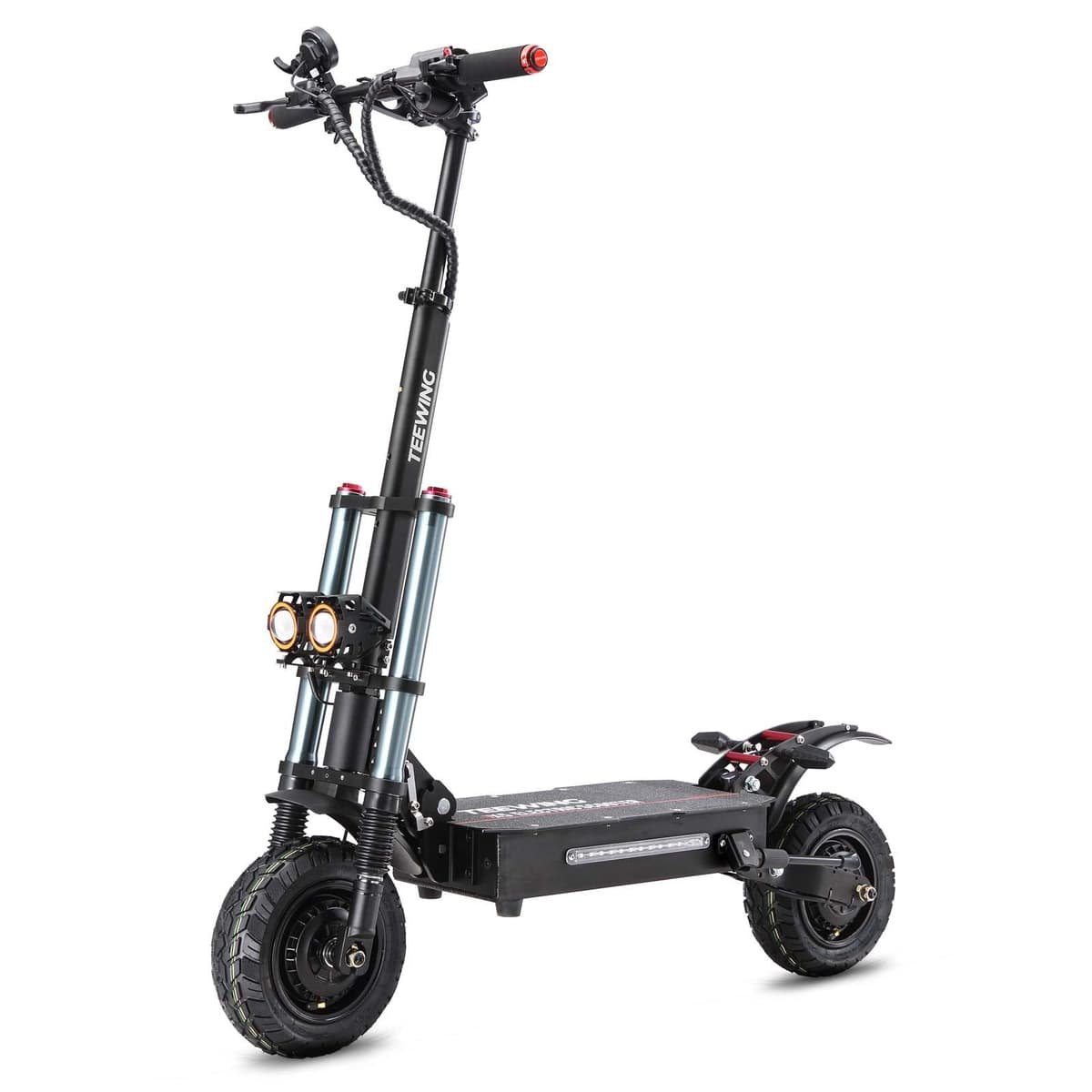
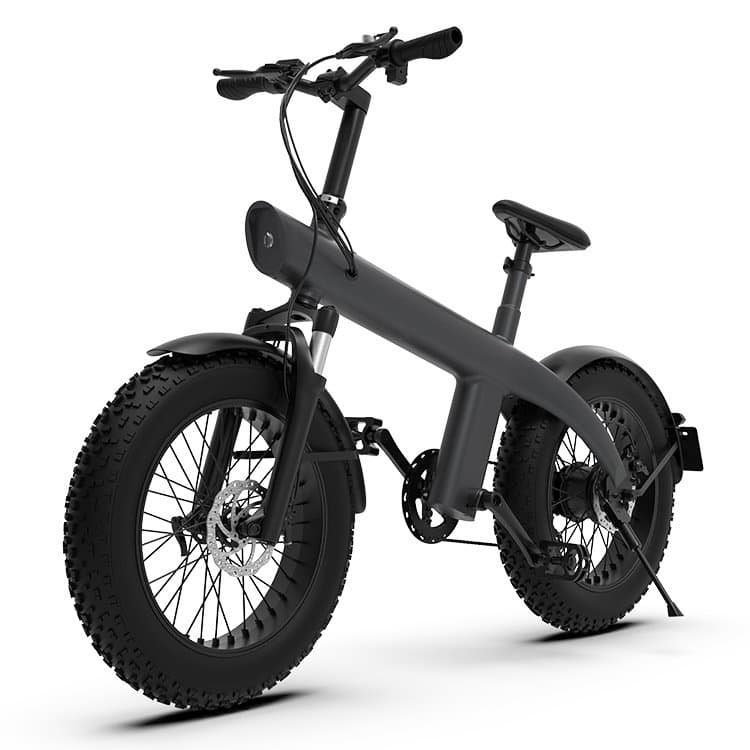
The best commuter electric scooter is the one you can carry, fold in seconds and trust in the rain. Here is what matters on a real daily trip.
The short answer
Pick a model light enough to carry up your stairs, with a quick folding latch, and an advertised range of about double your round trip. Look for air filled tires of 8.5 to 10 inches, two independent brakes, a high front light, a brake light and a water resistance rating of at least IPX4. Then check whether your transit system and office allow it, where you will charge it and how you will lock it.
If your commute includes stairs, a train or an office elevator, weight comes first. A commuter electric scooter spends part of every trip in your hand.
The weight is listed in the specifications on each product page. A useful test: pick up a bag of that weight and walk it up your stairs.
| Model | Top speed (mph) | Range (miles) | Motor power (W) |
|---|---|---|---|
| X6 Backpack | 15 | 12 | 250 |
| E-TWOW Booster ES Electric Scooter | 19 | 19 | 500 |
| ETWOW GT Sport | 28 | 28 | 700 |
| Hiboy S2 Pro Electric Scooter | 19 | 25 | 600 |
| Segway E3 Pro | 20 | 34 | 800 |
| NAVEE GT3 Electric Scooter | 20 | 31 | 700 |
Maker figures, checked September 2026. Real range and speed depend on rider weight, terrain, temperature and riding mode.
A good fold takes a few seconds and locks solid. A stem that clips to the deck or rear fender carries as one piece and gives you a natural handle. Check the folded size against your car trunk or the space under your desk. Folding handlebars make it narrower on a crowded train, and some models roll like a trolley when folded. Check the latch for play every couple of weeks.
Measure your longest regular round trip and double it. Makers test with a light rider on flat ground in mild weather, and most riders see about 60 to 70% of the advertised figure, less in winter. Do not buy far more than you need, because a bigger battery adds weight. If you can charge at work, you only need one direction plus a margin. Our guide to real world range shows how to estimate your own.
Most commutes happen at the edges of the day. A front light mounted high on the stem lights the road better and is easier for drivers to see than one low on the deck. A rear light that brightens when you brake is the other must have. Many riders add a helmet light and something reflective. See our safety gear guide.
You will get caught in the rain sooner or later. Look for IPX4 or IP54 at minimum, which covers splashes and light rain, plus fenders front and rear. No rating makes it safe to ride through deep puddles. Our guide to riding in rain and winter explains the ratings.
Check the rules before you plan a mixed commute. Many transit systems allow a folded electric scooter, some restrict them at busy hours, and some do not allow them at all. Each transit agency sets its own policy, so check its website.
Ask at work too. Some offices welcome a folded electric scooter under a desk. Others restrict lithium battery devices in the building or ask that they stay in a bicycle room. Fold it before you enter a station or lobby, carry it indoors rather than riding it, and keep it out of walkways.
If you can charge at work, you can buy a lighter model. Topping up during the day is fine for the battery. Keep a few habits:
Our battery care guide covers charging and storage.
The safest place for a commuter electric scooter is inside, next to you. A light, folded one is easy to walk away with. When you have to leave it outside, use a solid U-lock or chain through the frame, not just the stem or a wheel, around something fixed. App locks and alarms are extras, not a replacement. See protecting your electric scooter from theft.
Browse the full electric scooter range, or read how to choose an electric scooter for the wider picture. Riding rules vary by state and city, so check them in electric scooter laws: what to check before you ride.
It depends on your route. If you carry it up stairs or onto a train every day, most riders are happiest under about 40 pounds. If you ride door to door and park at ground level, weight matters much less.
For most city commutes, 15 to 20 mph keeps pace with bicycle traffic and stays within the local limit in many places. See how fast electric scooters go.
Many transit systems allow a folded electric scooter, some restrict them at busy hours, and some do not allow them. Check your transit agency website for the current rules.
For longer trips or rougher roads, it can be. An electric scooter is lighter and folds smaller. See our comparison of electric scooters and electric bikes, or browse electric bikes.
Hills are where an underpowered electric scooter gives up. Here are our 2026 picks for climbing, from strong commuters to dual motor models for steep grades.
Every model on this list is rated for at least 330 pounds. Here are our 2026 picks for heavy riders, from daily commuters to heavy duty and performance models.
Two motors mean stronger hill climbing, better grip and faster starts. Here are our 2026 dual motor picks, from compact models to full performance machines.
30+ brands and 200+ models, with free shipping to the 48 contiguous states. Stuck between two? Our AI assistant answers calls and texts any time at (240) 916-2471.