Riding an electric scooter in rain and winter: water ratings and what to avoid
Light rain is fine for some models and a bad idea for others. The IP rating tells you which, if you know how to read it.
Pay in 4 at 0% APRLearn more
Order by 2 PM ET · ships in 1–2 business days
14-day returnsSee the policy
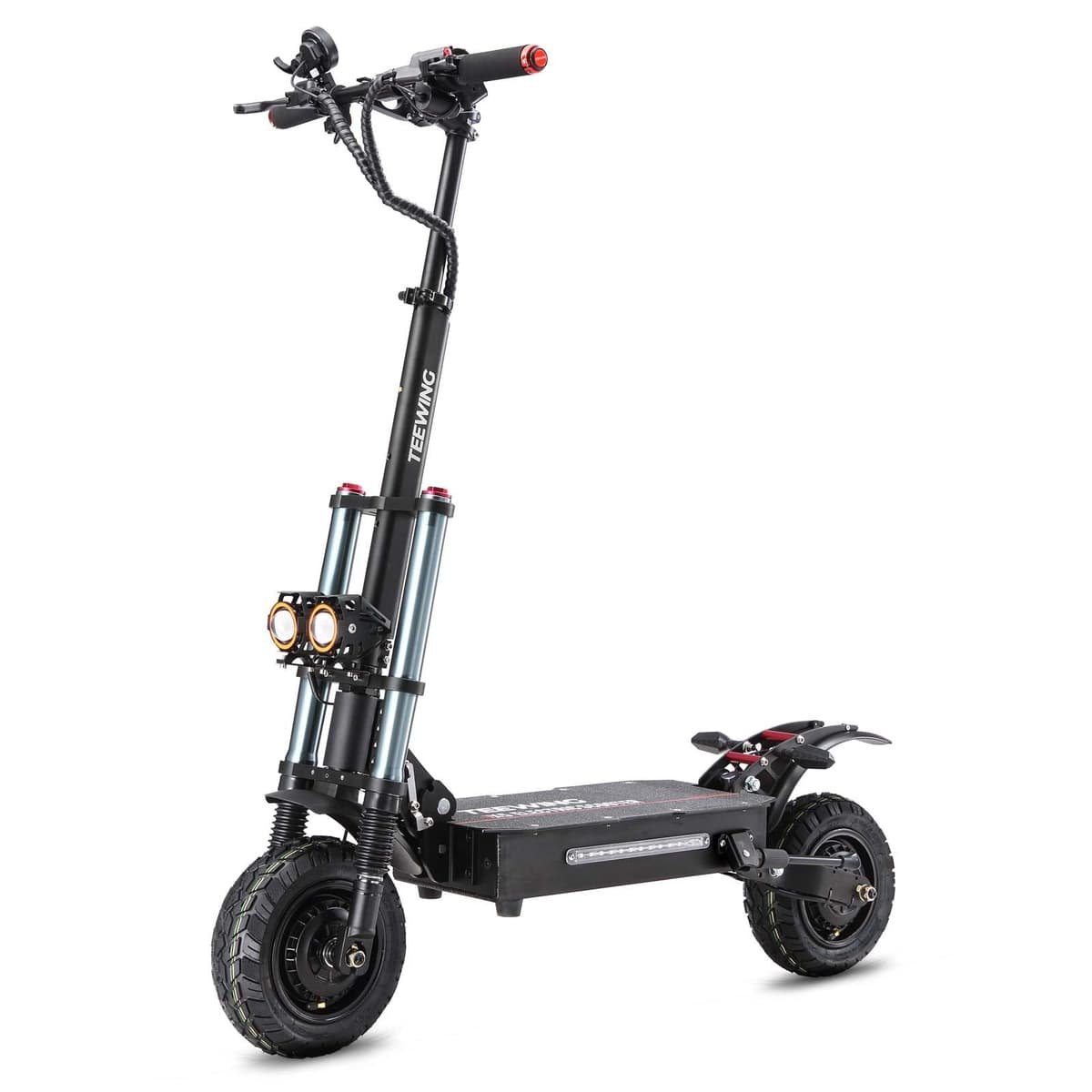
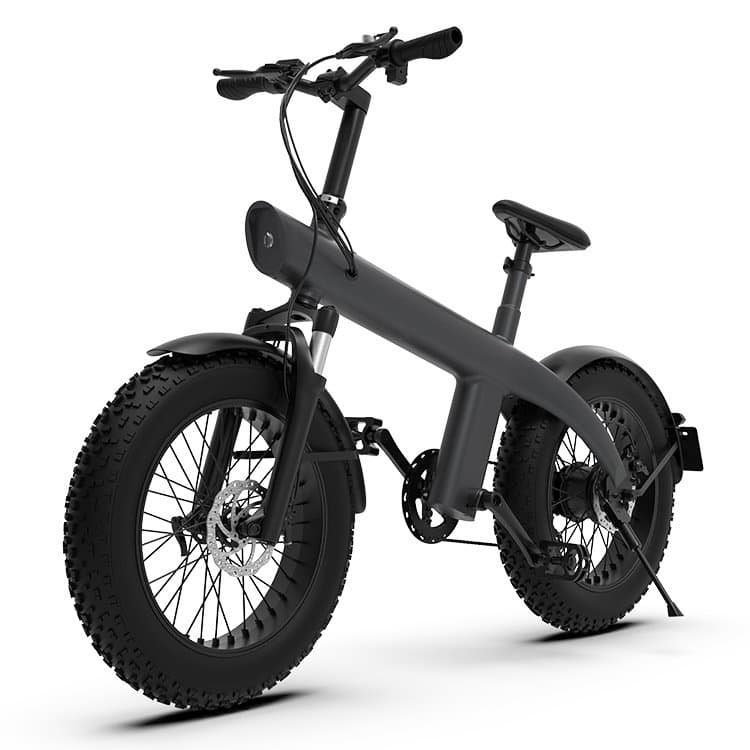
There is no single US law for electric scooters. States set the frame, cities fill it in, and both change. Here are the eight things to look up.
The short answer
In most US states an electric scooter is legal on public roads, usually with a speed limit of 15 to 20 mph, and riders are generally directed to bike lanes or the right side of lower speed streets. The details are set state by state and often city by city. Before you ride, look up eight things: the legal definition, the speed limit, where you may ride, minimum age, helmet rules, license and registration, required equipment, and riding under the influence.
Three layers, and the most local one usually decides your ride. The federal government regulates product safety, not how you ride. Each state defines what an electric scooter is and sets the basic rules of the road. Cities, counties, parks and campuses then add their own limits on speed, sidewalks, trails and parking.
That is why a guide that lists one rule per state can mislead you. A state may allow something that your city bans. Always check both.
The legal limit applies to the rider, whatever the vehicle can do. Many models sold in the US can exceed the local speed cap. On public roads and paths you are expected to stay within it, and most models let you select a limited riding mode on the display.
In places with strict definitions, a model that is too fast or too heavy to count as an electric scooter may be legal only on private land. If you are buying a performance model, check this first. Our guide to how fast electric scooters go explains the speed classes.
| Model | Top speed (mph) | Range (miles) | Motor power (W) |
|---|---|---|---|
| Hiboy S2 SE | 19 | 17 | 430 |
| Segway E3 Pro | 20 | 34 | 800 |
| NAVEE GT3 Pro | 20 | 37.3 | 1,000 |
| KUKIRIN G2 | 27 | 34 | 800 |
Maker figures, checked September 2026. Real range and speed depend on rider weight, terrain, temperature and riding mode.
This guide is general information, not legal advice. Rules differ by place and change often. The official state and city sources are the ones that count.
Most states use a three class system for electric bikes. Class 1 is pedal assist up to 20 mph, Class 2 adds a throttle up to 20 mph, and Class 3 is pedal assist up to 28 mph. Class 1 and 2 are usually allowed wherever bicycles are. If predictable rules matter to you, that is a point in favor of an electric bike. See electric scooter vs electric bike.
Ready to choose? Start with how to choose an electric scooter or browse the electric scooter shop.
In most states, no, as long as the vehicle meets the state definition of an electric scooter. A few states require a driver license. Check your state motor vehicle agency.
In many cities it is banned, even where state law is silent or permits it. Check your city rules, and always give way to people on foot.
It is not usually required for an electric scooter. It is still worth checking whether your renters or homeowners policy covers theft and liability.
In most states, yes. Laws against riding under the influence generally apply to electric scooters.
Light rain is fine for some models and a bad idea for others. The IP rating tells you which, if you know how to read it.
Splitting the cost can make sense, as long as you know which plans are interest free, which are not, and what you will have paid at the end.
A second motor changes how an electric scooter climbs, grips and pulls away. It also adds weight and cost. Here is how to tell if you need one.
30+ brands and 200+ models, with free shipping to the 48 contiguous states. Stuck between two? Our AI assistant answers calls and texts any time at (240) 916-2471.