New Jersey electric scooter laws and the 2026 e-bike rules, in plain words
A 2026 law made every New Jersey e-bike rider get a license and register the bike. Here is what the MVC says, and how electric scooters are treated, as of October 2026.
Pay in 4 at 0% APRLearn more
Order by 2 PM ET · ships in 1–2 business days
14-day returnsSee the policy
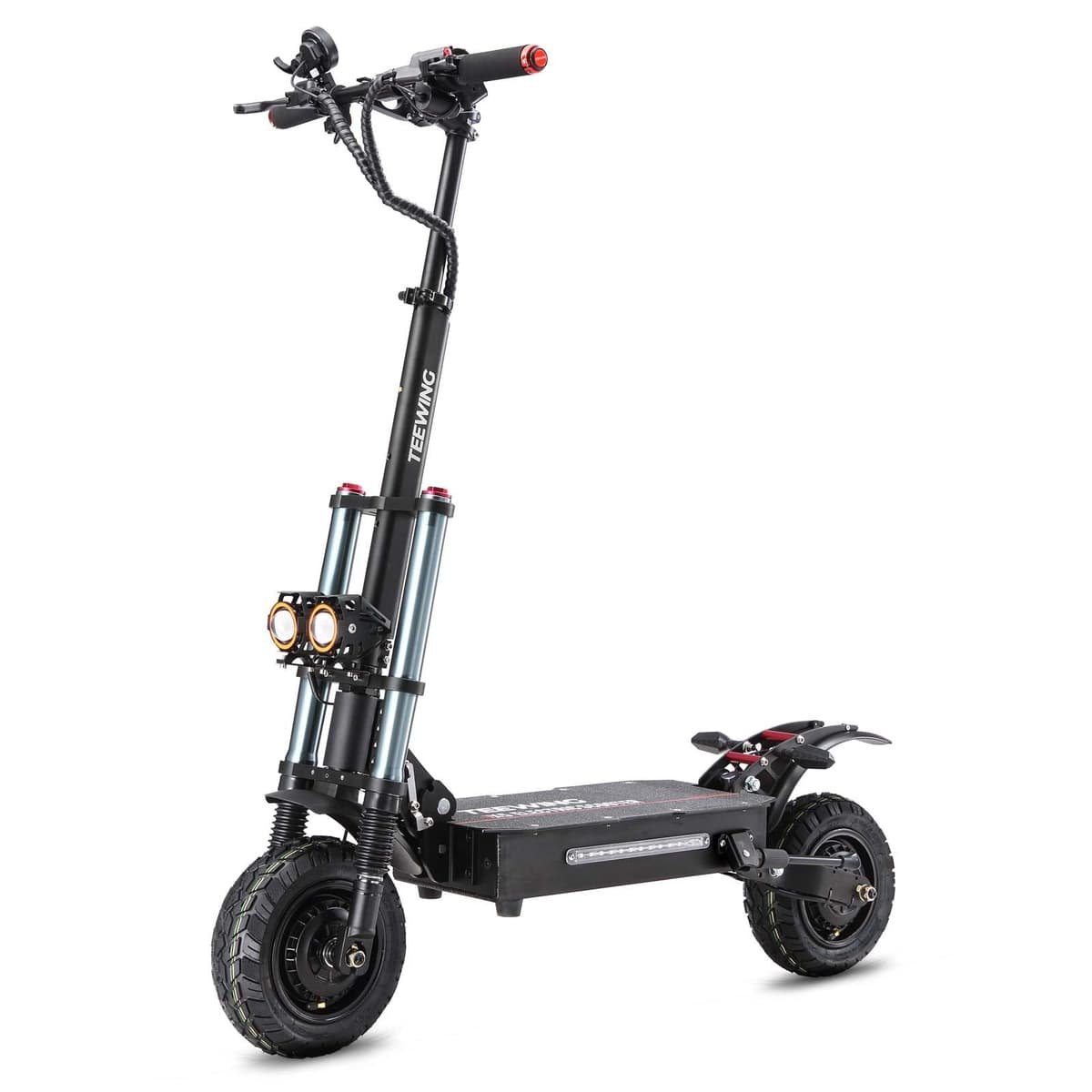
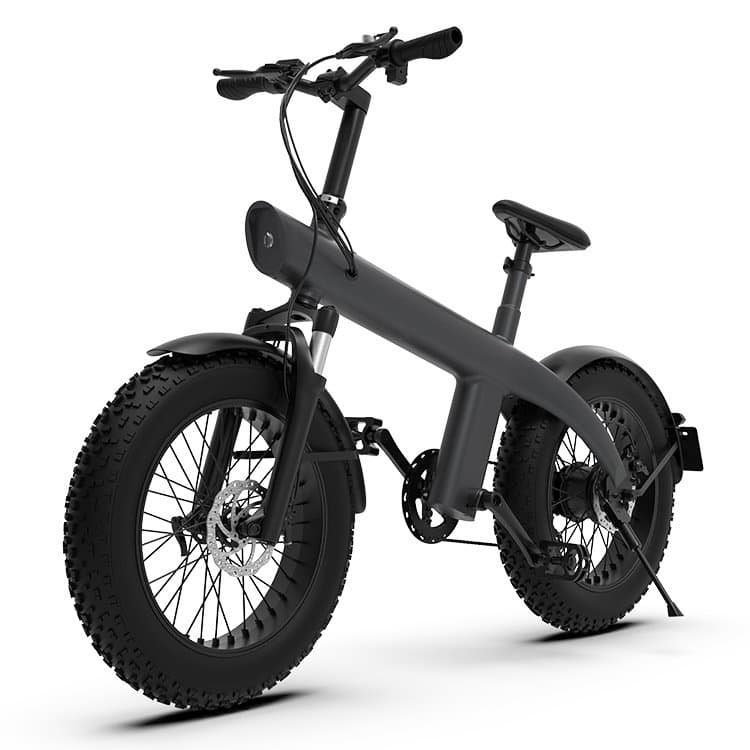
California sorts e-bikes into three classes and gives motorized scooters their own rules. Here is what the CHP and the DMV say, as of October 2026.
The short answer
California electric scooter laws, as the California Highway Patrol describes them as of October 2026, cap a motorized scooter at 15 mph, keep it off sidewalks, require a valid driver’s license or instruction permit, and require a bicycle helmet for riders under 18. On roads posted above 25 mph, a scooter must ride in a Class II or Class IV bikeway. E-bikes have fully operable pedals and a motor of no more than 750 watts, and come in three classes: class 1 and class 2 stop assisting at 20 mph, and class 3 at 28 mph. Riders under 16 may not ride a class 3 e-bike, and every class 3 rider and passenger must wear a helmet. The DMV says motorized scooters do not need to be registered.
Every rule in this guide comes from two California agencies, as of October 2026. The main source is the California Highway Patrol’s Highway Patrol Manual 100.68, chapter 4 (revised July 2026), which cites the California Vehicle Code (CVC). We also used the CHP page on motorcycles and similar vehicles and the DMV page on motorcycles, mopeds and scooters.
This is general information, not legal advice. Laws change, and cities and counties can add their own rules. Check the CHP, the DMV and your city before you buy or ride.
The CHP manual describes CVC section 312.5 this way: an electric bicycle is a bicycle with fully operable pedals and an electric motor that does not exceed 750 watts. It must fall into one of three classes:
Under section 312.5(b), an e-bike rider follows the same rules as a bicycle rider, and under section 24016(b) an e-bike is classed as a bicycle, not a motor vehicle.
Changing the speed is regulated too. The CHP notes that section 24016(d) bars anyone from tampering with or modifying an e-bike to change its speed capability unless they also replace the class label. Never modify a speed limiter yourself.
For how the classes work on the bike itself, read e-bike classes explained.
A ride with more than 750 watts, no working pedals or more assisted speed than its class falls outside the definition. The CHP manual points to section 312.5(d) for vehicles that do not meet it.
Since January 1, 2026, the CHP notes that section 22651.08(a)(1) lets a peace officer remove a vehicle with fewer than four wheels that does not meet the e-bike definition, when its electric motor can move it on its own above 20 mph and the rider is not licensed to operate it.
Electric dirt bikes have their own category. Since January 1, 2026, Senate Bill 586 added section 436.1, which defines an off-highway electric motorcycle (eMoto) as an electric off-highway motorcycle with handlebars, a straddle seat and no pedals from the maker. The CHP says eMotos fall under the same rules as other off-highway motor vehicles, including their registration rules. Every bike on our electric dirt bikes page is for off-road use only; see street legal electric dirt bikes for what a road bike needs.
Riding on the road, the bicycle rules apply. Under section 21202, a bicycle rider moving slower than traffic rides as close as practicable to the right-hand curb or edge, with exceptions such as passing or preparing for a left turn.
The CHP manual describes CVC section 407.5 this way: a motorized scooter has two wheels, handlebars, a floorboard designed to be stood on, and an electric motor. It may also have a driver seat and footrests in place of the floorboard, so many seated models count as motorized scooters too.
The CHP lists these rules from sections 21235 and 22411, among others:
Helmet wording varies between official pages. Some CHP and DMV web pages say a helmet is required to ride a motorized scooter, while the CHP manual revised July 2026 gives the rule for riders under 18. Wear a helmet on every ride anyway; our electric scooter helmets guide shows what to look for.
For an e-bike, check the motor rating and the class on the label and the listing. These e-bikes in our catalog list a 750 W motor and a class setting:
| Model | Top speed (mph) | Range (miles) | Motor power (W) |
|---|---|---|---|
| Segway Xafari Electric Bike | 20 | 88 | 750 |
| Hiboy EX9 Urban Commuter Electric Bike | 20 | 62 | 750 |
| Segway MUXI Electric Bike | 23 | 80 | 750 |
| Hiboy P6 Fat Tire Electric Bike | 20 | 62.1 | 750 |
| Segway MUXI Pro Electric Bike | 28 | 73 | 750 |
Maker figures, checked September 2026. Real range and speed depend on rider weight, terrain, temperature and riding mode.
Segway lists the Xafari as class 2 at 20 mph or class 3 at 28 mph where allowed, and Hiboy sets the EX9 to 20 mph by default, adjustable to 28 mph with pedal assist as a class 3. A class 3 setting brings the 16 and older rule and a helmet for everyone.
For a motorized scooter, the 15 mph limit is the one that matters. Most scooters can go faster, so use a lower riding mode. Two models in our catalog come limited by the maker:
| Model | Top speed (mph) | Range (miles) | Motor power (W) |
|---|---|---|---|
| YUME Raptor2 13 MPH Speed-Limited Electric Scooter | 13 | 62 | – |
| YUME X11+ 13 MPH Speed-Limited Electric Scooter | 13 | 60 | – |
Maker figures, checked September 2026. Real range and speed depend on rider weight, terrain, temperature and riding mode.
The YUME Raptor2 13 MPH and YUME X11+ 13 MPH are full-size YUME models with the speed limited to 13 mph.
This is general information, not legal advice. It reflects the official sources named above as of October 2026. Rules change, so check the CHP, the DMV and your local government before you ride.
Riding in other states too? Read our sibling guide to New Jersey electric scooter laws, and the questions to ask anywhere in electric scooter laws: what to check. Then browse our electric scooters and electric bikes for sale. Orders ship free to the lower 48 states, and you can split the cost with Pay in 4 at 0% APR or monthly payments with Affirm.
The CHP says a motorized scooter may not be driven faster than 15 mph on any highway or bikeway, under section 22411 of the Vehicle Code. That applies whatever the scooter can do.
Yes. The CHP lists a valid driver’s license or instruction permit as a requirement, and the DMV says any class of driver’s license works. The DMV also says motorized scooters do not need to be registered.
No, except to enter or leave a property. Do not leave a scooter lying on a sidewalk or parked so people walking have no clear path.
At least 16. Every class 3 rider and passenger must wear a properly fitted and fastened bicycle helmet, whatever their age.
A 2026 law made every New Jersey e-bike rider get a license and register the bike. Here is what the MVC says, and how electric scooters are treated, as of October 2026.
In many places an e-bike that fits a class needs no license, but New Jersey now asks for one, and faster bikes can count as mopeds. Here is what official sources say.
A road legal electric dirt bike has to be a motorcycle on paper as well as on the road. Here is the equipment, paperwork and license most states expect, and why most dirt bikes stay off-road.
30+ brands and 200+ models, with free shipping to the 48 contiguous states. Stuck between two? Our AI assistant answers calls and texts any time at (240) 916-2471.