Financing an electric scooter: how Pay in 4 and monthly plans work
Splitting the cost can make sense, as long as you know which plans are interest free, which are not, and what you will have paid at the end.
Pay in 4 at 0% APRLearn more
Order by 2 PM ET · ships in 1–2 business days
14-day returnsSee the policy
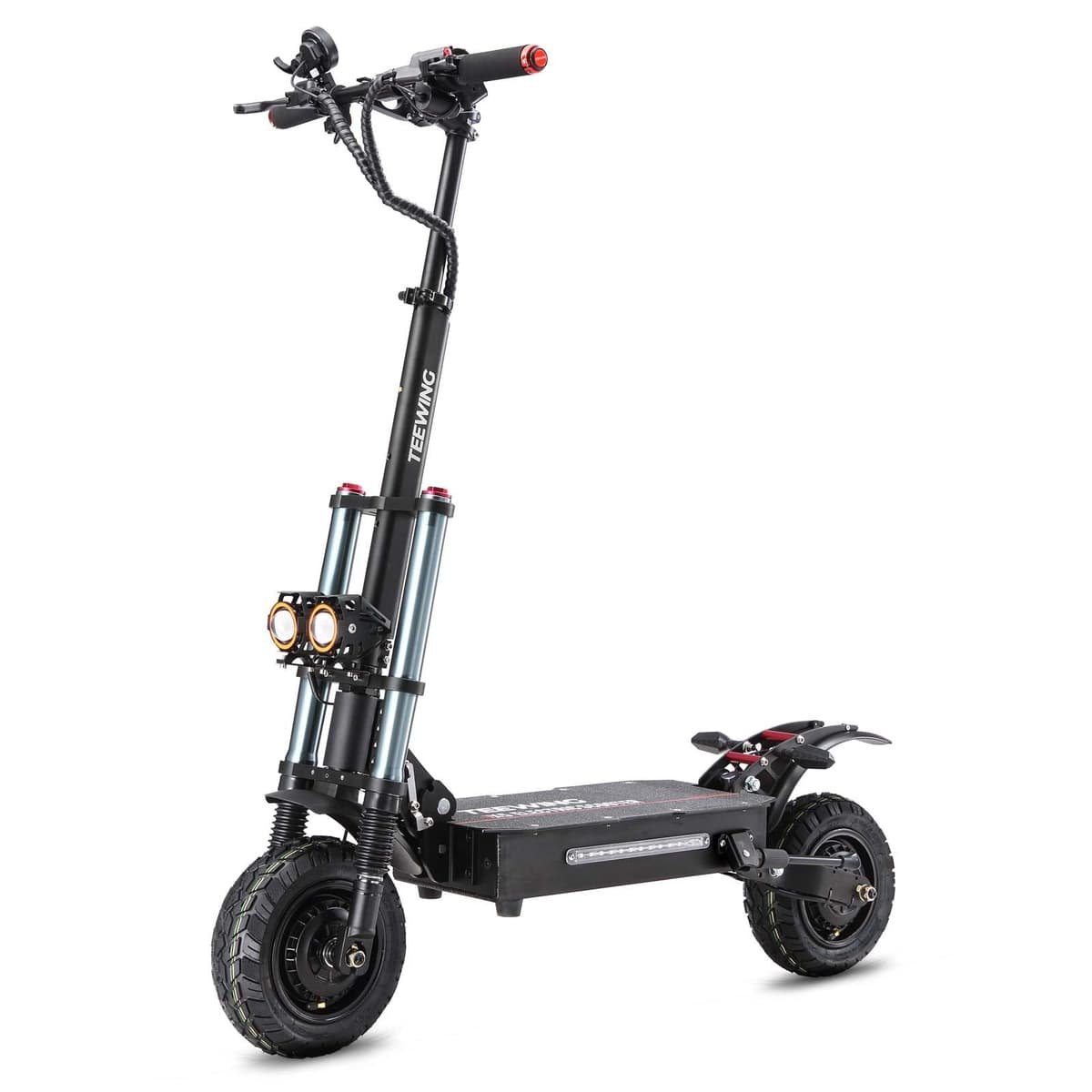
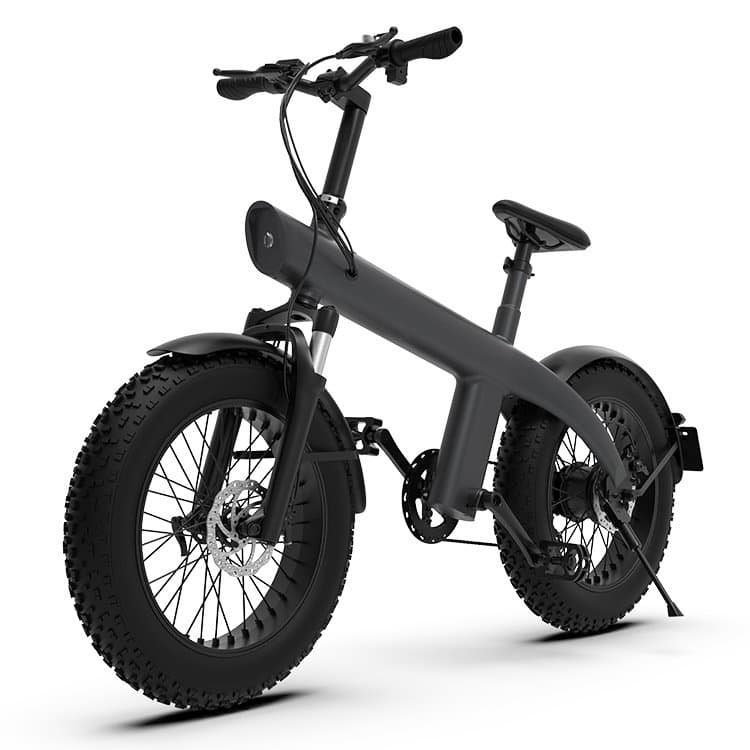
Three classes cover most electric bikes sold in the US. The class decides how the motor helps, how fast it helps and where you are allowed to ride.
The short answer
Class 1 e-bikes help only while you pedal and stop helping at 20 mph. Class 2 e-bikes add a throttle that can move the bike without pedaling, also up to 20 mph. Class 3 e-bikes help only while you pedal, up to 28 mph. Most states that use the classes also expect a motor rated at 750 watts or less. Where each class may ride is set by your state and city, so check local rules before you choose.
Most US states sort electric bikes into three e-bike classes. The system separates e-bikes from mopeds and motorcycles, and it rests on two questions: does the motor need you to pedal, and at what speed does it stop helping?
Top speed here means the speed at which the motor stops helping. You can still go faster by pedaling hard or rolling downhill, but the motor will not push you past the class limit.
Look for the class label. Many states that use the classes ask makers to fix a label to the frame showing the class, the top assisted speed and the motor wattage. Check for it when your bike arrives, and keep the paperwork that lists the class.
Pedal assist adds power as you pedal. It feels like riding with a tailwind, and it stretches the battery further than the throttle does. How it feels depends on the sensor:
A throttle gives power without pedaling. It is handy for pulling away from a light, crossing a busy junction or resting tired legs. Under the class system, a throttle that moves the bike on its own belongs to class 2 and stops at 20 mph.
Some models mix the two. The Hiboy P6 lists 20 mph in throttle mode and up to 28 mph with pedal assist as a class 3 bike. How states treat a class 3 bike that also has a throttle varies, so check your local rules if you want both.
Most state e-bike laws expect a motor rated at 750 watts or less. The same figure appears in the federal definition of a low-speed electric bicycle: working pedals, a motor under 750 watts, and a top speed under 20 mph on motor power alone. That federal rule covers how bikes are sold, while your state and city decide where and how you ride.
Makers often list two figures. The rated figure is what the motor can deliver continuously, and the peak figure is a short burst. The Hiboy EX9, for example, lists 750 W rated and 1000 W peak. Check which figure your state rule refers to before you buy.
Bikes with much more power or speed sit outside the three classes. The Segway Xyber is listed for off-road use only, and the WEPED F1 lists a top speed of about 50 mph. Depending on your state, a bike like that may be treated as a moped or an off-road vehicle, with different rules. We compare that style of bike in moped style e-bike vs electric scooter.
Rules vary by state, by city and even by park. These patterns are common in states that use the classes, but your local rules decide:
New York City: class 3 electric bikes may go up to 25 mph in the city, below the 28 mph used in most states. Since October 24, 2025, the city has also set a 15 mph speed limit for electric bikes on its streets. Our NYC street legal page lists the rides in our catalog that meet the city rules.
For the questions to ask your state and city, read electric scooter laws: what to check before you ride. Most of them apply to electric bikes too.
Several e-bikes let you choose the class in the settings. That way one bike can follow the rules on a class 1 path and the rules on a class 3 road. Listings that show this include:
Set the class to match the place you ride, and switch down before you join a path that allows only class 1 or class 2.
These in-stock e-bikes state a class on their product listing. Top speed in the table is the highest figure the maker lists, and some models reach it only in their class 3 setting.
| Model | Top speed (mph) | Range (miles) | Motor power (W) |
|---|---|---|---|
| Segway Myon Electric Bike | 28 | 80 | 1,500 |
| Segway MUXI Electric Bike | 23 | 80 | 750 |
| Segway MUXI Pro Electric Bike | 28 | 73 | 750 |
| Segway Xafari Electric Bike | 20 | 88 | 750 |
| Hiboy EX9 Urban Commuter Electric Bike | 20 | 62 | 750 |
| Hiboy P6 Fat Tire Electric Bike | 20 | 62.1 | 750 |
| Hiboy EX11 Full Suspension Electric Bike | 20 | 100 | 880 |
Maker figures, checked September 2026. Real range and speed depend on rider weight, terrain, temperature and riding mode.
Many other models in our electric bike shop do not state a class on the listing. If the class matters where you ride, ask us before you order.
The right choice among the e-bike classes depends on where you ride most.
For the other big decisions, such as motor type, battery size and fit, read how to choose an electric bike. If you ride on sand, snow or broken pavement, see our guide to fat tire electric bikes. Every order ships free to the lower 48 states, and you can split the cost with Pay in 4 at 0% APR or monthly payments with Affirm.
It depends on where you live. Many states and parks keep class 3 off shared paths, while bike lanes on roads are usually open to all three classes. Check the signs and your local rules.
Not always. Some trails and paths allow only class 1, because a throttle can move the bike without pedaling. Roads and bike lanes usually treat class 1 and class 2 the same.
In most states that use the classes, an e-bike that fits a class needs no license or registration. Class 3 often has a minimum rider age and a helmet rule. Check your state motor vehicle agency.
If the motor keeps helping past the class limit, or the motor is far above 750 watts, the bike may not count as an e-bike. Your state may treat it as a moped or an off-road vehicle.
Some models let you switch between classes in the settings, such as the Segway Myon and the Hiboy EX11. Set it to the class allowed where you are riding.
Splitting the cost can make sense, as long as you know which plans are interest free, which are not, and what you will have paid at the end.
Electric bikes start under $500 and climb past $5,000. Here is where each style sits, what the extra money buys and how classes and local rules fit in.
Prices run from light commuters under $500 to hyper scooters past $5,000. Here is what each band buys, what pushes the price up and what you spend after checkout.
30+ brands and 200+ models, with free shipping to the 48 contiguous states. Stuck between two? Our AI assistant answers calls and texts any time at (240) 916-2471.