How to ride an electric scooter: a step by step guide for your first rides
Most people get the basics in one practice session. Here is how to stand, start, stop and turn, then take those skills onto hills, rough roads and bike lanes.
Pay in 4 at 0% APRLearn more
Order by 2 PM ET · ships in 1–2 business days
14-day returnsSee the policy
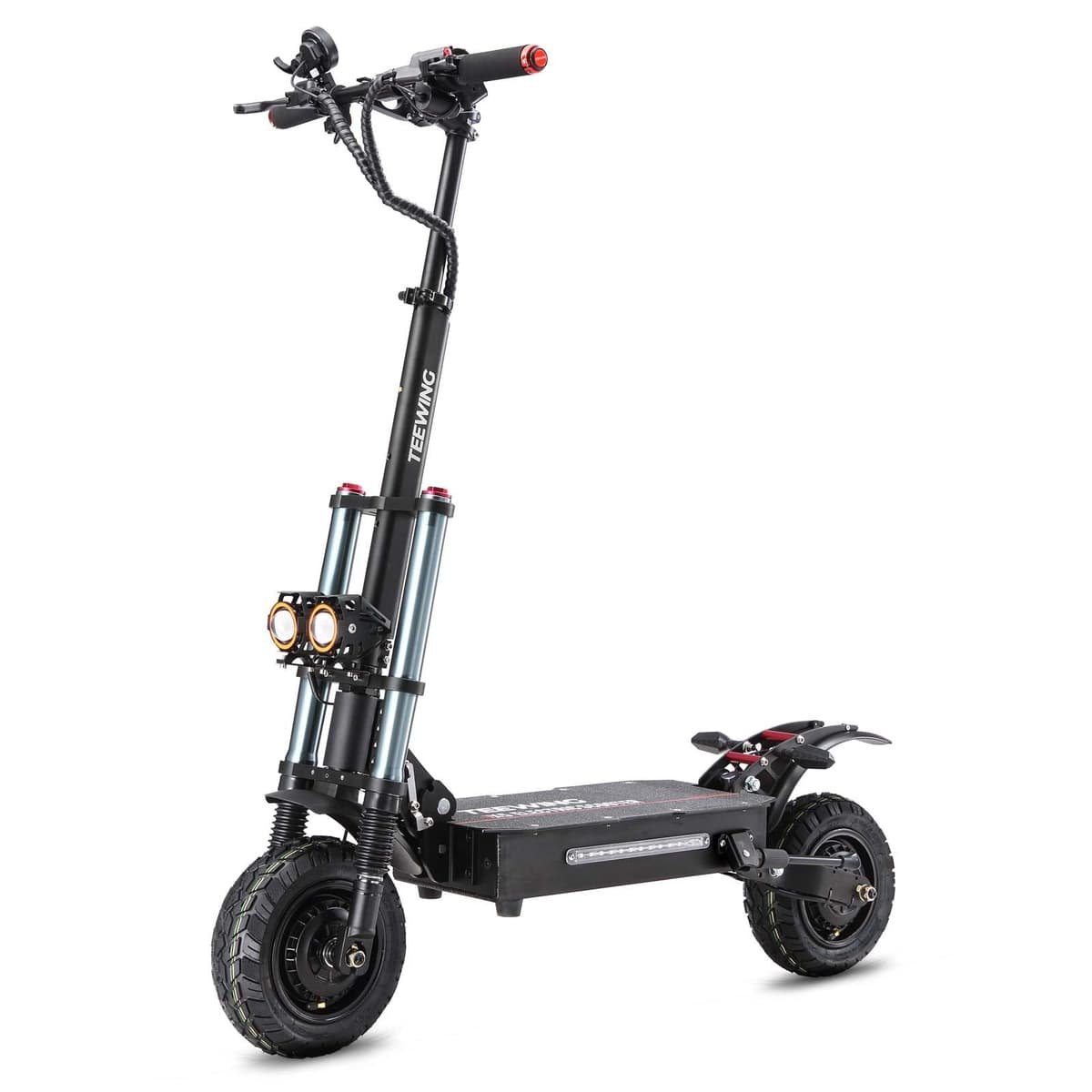
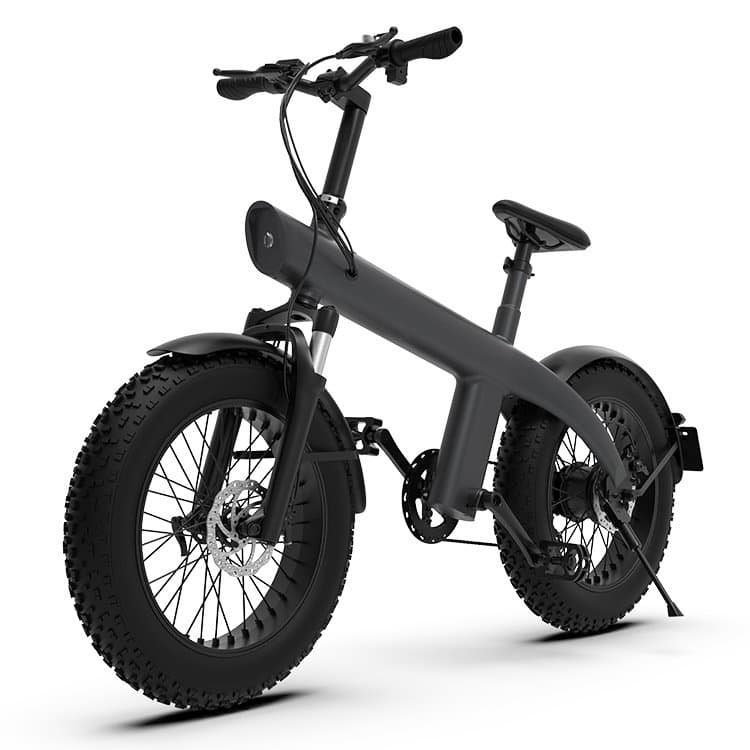
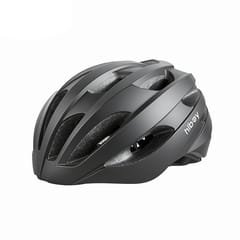
A helmet only protects you if it suits your speed, carries the right label and fits your head. Here is how to read the types, the standards and the size charts.
The short answer
The right electric scooter helmet depends on how fast you ride. A bicycle helmet with a CPSC label suits commuting up to about 20 mph. Between about 20 and 30 mph, choose more coverage: a commuter helmet that sits lower at the back and sides, or a full face bicycle helmet. Above about 30 mph, a full face motorcycle helmet with the DOT symbol is the safer choice. Size it by measuring your head, and replace it after any crash or when the maker says it is too old.
Helmets for electric scooter riders come in three broad shapes, each built for a different speed and risk.
Why the chin matters on a scooter. Small wheels can stop dead in a pothole or on a curb edge and pitch the rider forward, so the face and chin are exposed in a fall. The faster you ride, the more a chin bar earns its weight.
Choose for the fastest speed you will actually ride. Then check the maker’s top speed for your scooter in the table below.
| Model | Top speed (mph) | Range (miles) | Motor power (W) |
|---|---|---|---|
| Segway F2 Electric Scooter | 18 | 25 | 350 |
| INMOTION S1F Electric Scooter | 25 | 59 | 500 |
| NAVEE NT5 Ultra X Electric Scooter | 40 | 55.9 | 1,600 |
| Segway GT3 Pro Electric Scooter | 50 | 86 | 3,400 |
Maker figures, checked September 2026. Real range and speed depend on rider weight, terrain, temperature and riding mode.
A safety label tells you which test the helmet was built to pass. Look for it on a sticker inside the shell or, for motorcycle helmets, on the back.
Some helmets also add a low-friction layer such as MIPS to reduce twisting forces in angled impacts. That is a feature, not a standard, so look for a CPSC or DOT label as well.
Only the label on the helmet counts. Among the helmets in our accessories, NANROBOT lists DOT and 3C certification for its full face helmet and DOT for its half helmet. For any other helmet, check the label inside before you ride fast in it. A bicycle label does not cover motorcycle speeds.
Helmet sizes go by head circumference. Wrap a soft tape measure around your head about an inch above your eyebrows and just above your ears, over the widest part at the back. Measure twice, keep the larger number and compare it with the maker’s chart. These are the ranges listed for helmets we stock:
If you fall between two sizes, try the smaller one first. The padding in a full face helmet beds in with wear, so it should feel snug on day one.
Our safety gear guide covers the basic check: level on your head, straps in a V under each ear, one finger under the buckled strap. Add these:
A helmet protects you by crushing its foam liner, and that works once.
Care keeps it working until then. Store it away from heat, such as a parked car in the sun. Clean it with mild soap and water, and do not paint it or wipe it with solvents, which can weaken the shell. Never buy a used helmet, because you cannot know whether it has been in a crash.
Helmet laws for electric scooter riders vary by state and city, and often by age. Many places require helmets for younger riders, some require them for everyone, and a faster scooter or moped-style ride can be classed as a moped or motorcycle, which brings its own helmet rule in many states. Check your state motor vehicle agency and your city website, and read electric scooter laws: what to check before you ride. Wear a helmet either way.
Riding off-road? Goggles, boots and armor join the list in our guide to electric dirt bike gear. Still choosing a scooter? Our guide to the motorized scooter for adults explains speeds and types. Browse every helmet in accessories; orders ship free to the lower 48 states.
Only motorcycle-style helmets carry DOT. A bicycle or commuter helmet should carry a CPSC label instead. For riding above about 30 mph, a full face helmet with the DOT symbol is the safer choice.
Measure around your head about an inch above your eyebrows and compare the number with the maker’s chart. The Hiboy adult helmet, for example, comes in M for 21.3 to 22.8 in and L for 22.4 to 24 in.
Yes. A full face motorcycle helmet protects more than a bicycle helmet, at the cost of weight and warmth. On fast scooters it is the right choice. Wear it fastened and fitted.
Replace it after any crash, and when the shell, foam, padding or strap show wear. Many makers suggest a new helmet every three to five years even without a crash. Check your helmet’s manual.
They need one that fits their head. The Segway NB-410 kids helmet in XS fits 19.69 to 21.65 in, and the NAVEE kids helmet fits 48 to 55 cm. The CPSC standard asks helmets made for children age 5 and under to cover more of the head.
Most people get the basics in one practice session. Here is how to stand, start, stop and turn, then take those skills onto hills, rough roads and bike lanes.
Five kinds of brake turn up on electric scooters, and most models combine two or three. Here is how each one stops you, what it asks of you in upkeep, and which suits your speed.
Most electric scooter falls happen at low speed, on your hands and head. The right gear is cheap next to the scooter and it matters every ride.
30+ brands and 200+ models, with free shipping to the 48 contiguous states. Stuck between two? Our AI assistant answers calls and texts any time at (240) 916-2471.