Riding an electric scooter in rain and winter: water ratings and what to avoid
Light rain is fine for some models and a bad idea for others. The IP rating tells you which, if you know how to read it.
Pay in 4 at 0% APRLearn more
Order by 2 PM ET · ships in 1–2 business days
14-day returnsSee the policy
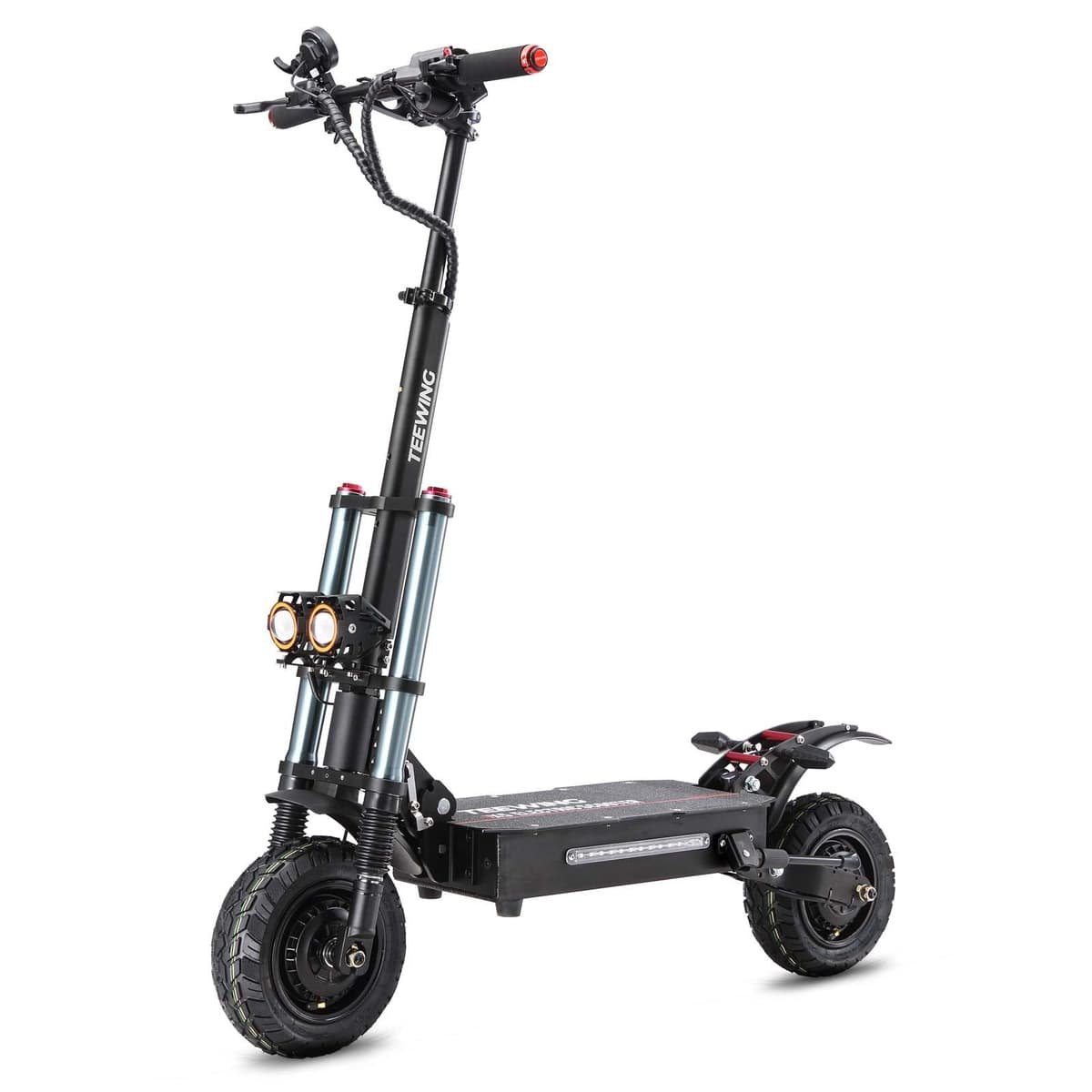
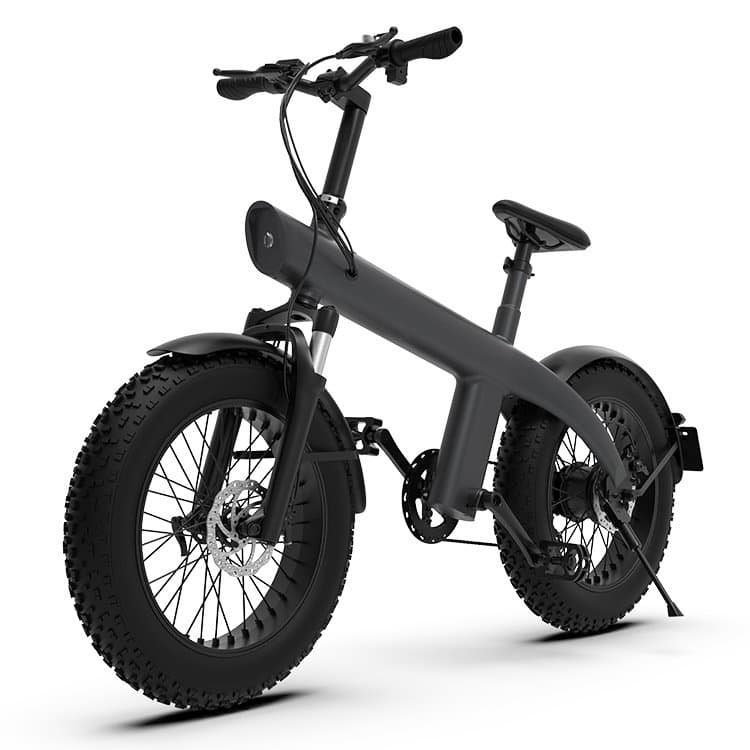
Most electric scooter falls happen at low speed, on your hands and head. The right gear is cheap next to the scooter and it matters every ride.
The short answer
Wear a helmet on every ride, matched to how fast you go: a bicycle helmet for commuter speeds, a helmet made for higher speeds above about 20 mph, and a full face motorcycle helmet on the fastest models. Add gloves, lights front and rear, something bright or reflective, and closed shoes. Above 25 mph, add knee and elbow protection or an armored jacket.
Your head is the part of you that cannot be repaired. A helmet does its job only if it fits, is fastened, and was designed for the speeds you ride.
Fit is simple to check. The helmet should sit level, about two finger widths above your eyebrows. The strap should form a V under each ear, and you should fit no more than one finger between the buckled strap and your chin. Shake your head: the helmet should move with it.
Replace a helmet after any crash, even if it looks fine. The foam inside works by crushing once. Replace it every few years anyway, because the materials age.
Most collisions happen because a driver did not see the rider. A small electric scooter is easy to miss, especially at dusk, at night and in rain.
Check your local rules too: many places require a front light and a rear light or reflector after dark. See electric scooter laws: what to check before you ride.
When people fall, they put their hands out. Even at 10 mph, pavement takes skin off your palms in a moment. Cycling gloves with padded palms are enough at commuter speeds. Above 25 mph, motorcycle gloves with knuckle and palm protection are the better choice.
Pick gloves that still let you feel the brake levers clearly. In winter, look for insulated gloves that are not so bulky that you have to hunt for the lever.
Good gear does not help if the electric scooter fails under you. Before each ride:
The full routine is in our maintenance checklist.
| Model | Top speed (mph) | Range (miles) | Motor power (W) |
|---|---|---|---|
| Hiboy S2 SE | 19 | 17 | 430 |
| KUKIRIN G2 | 27 | 34 | 800 |
| ETWOW GT Sport | 28 | 28 | 700 |
| Teewing X5 6000W | 55 | 75 | 6,000 |
Maker figures, checked September 2026. Real range and speed depend on rider weight, terrain, temperature and riding mode.
Faster models need more gear. Read how fast electric scooters go before you choose a speed class, and browse the electric scooter shop to compare models.
It depends on where you live and your age. Many places require helmets for riders under 18, and some require them for everyone. Wear one regardless of the law.
At commuter speeds of up to about 20 mph, yes. Above that, a helmet made for higher speeds, with a chin guard or full face, protects you far better.
After any crash, even a small one, and otherwise every few years as the materials age. Follow the maker instructions for your helmet.
They are worth wearing while you learn, and on fast models. For short commutes at low speed, many riders skip them. Gloves and a helmet are the priority.
Light rain is fine for some models and a bad idea for others. The IP rating tells you which, if you know how to read it.
There is no single US law for electric scooters. States set the frame, cities fill it in, and both change. Here are the eight things to look up.
Solid tires never go flat. Air filled tires ride better and grip better. Which trade off suits you depends on your roads and how much fuss you will accept.
30+ brands and 200+ models, with free shipping to the 48 contiguous states. Stuck between two? Our AI assistant answers calls and texts any time at (240) 916-2471.