Electric scooter battery care: charging, storage and making it last
The battery is the most expensive part of any electric scooter. A few simple habits decide whether it lasts two years or five.
Pay in 4 at 0% APRLearn more
Order by 2 PM ET · ships in 1–2 business days
14-day returnsSee the policy
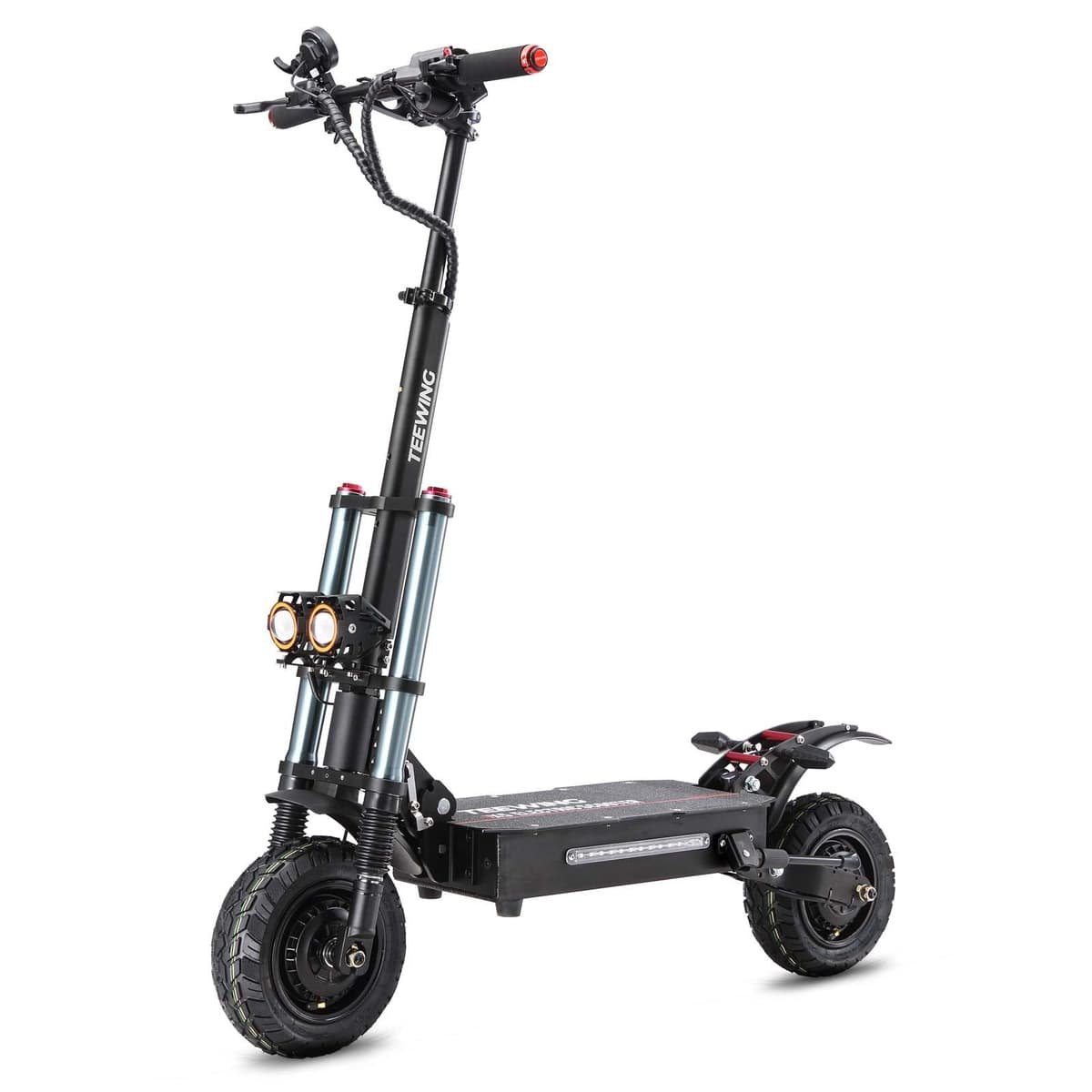
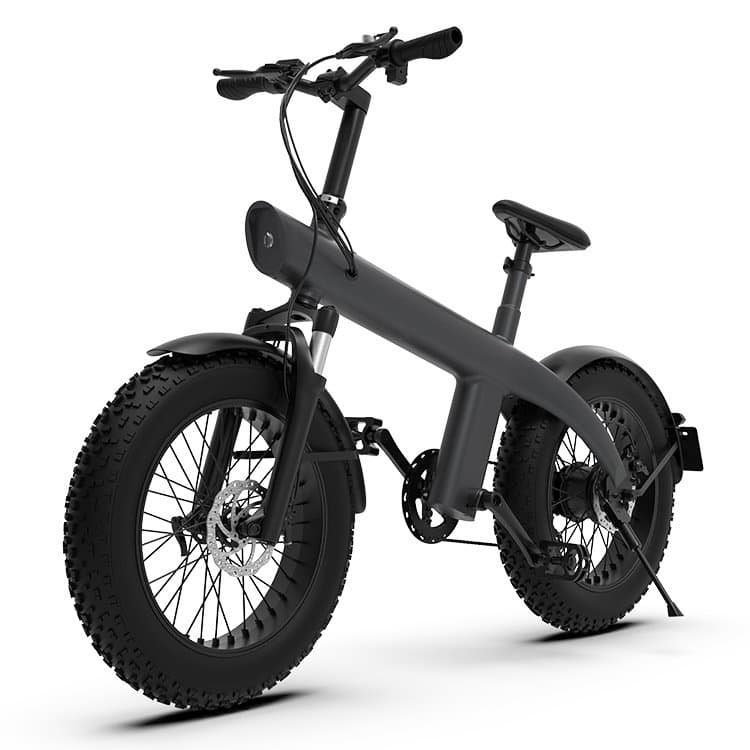
An electric scooter has very few parts that need attention. The ones that do are the ones that keep you upright and let you stop.
The short answer
Before each ride, squeeze both brakes, check the tires and make sure the folding latch is locked. Every two weeks, check tire pressure. Once a month, go over the bolts, brake pads and the stem for play, and wipe the electric scooter clean with a damp cloth. Keep the battery charged correctly and follow the maker manual for anything specific to your model.
Air filled tires lose pressure slowly all the time. The correct pressure is printed on the tire sidewall and in your manual, usually somewhere between 35 and 50 PSI. Use a pump with a gauge. Small tires go from fine to too soft quickly, and a soft tire is how pinch flats happen.
Solid tires need no air. Check them for chunks missing from the tread and for a loose fit on the rim.
Vibration loosens bolts, and small wheels make plenty of vibration. Go over the visible bolts with the hex keys that came in the box: stem clamp, handlebar, folding mechanism, fenders, brake calipers and axle nuts. Snug is enough. Do not overtighten bolts that thread into aluminum.
If the stem still rocks after tightening, stop riding and sort it out before the next trip. Your manual shows the adjustment for your latch. A medium strength thread locker helps on bolts that keep working loose, other than on parts your manual tells you to leave free.
New electric scooter? Do the full bolt check after the first 30 to 50 miles. Everything settles during the first few rides.
More on wet weather in our guide to riding in rain and winter.
Charge with the supplied charger, avoid running it flat, and store it half charged if you stop riding for a while. That covers most of it. The full routine, including safe charging at home and winter storage, is in our battery care guide.
Stop riding if you find a cracked frame or stem, a latch that will not lock, brakes that will not hold, a swollen battery, or a motor that grinds or cuts out. Do not open the battery pack or the controller yourself.
If the electric scooter is under warranty, contact us before attempting a repair, because unapproved work can affect cover. Our warranty page explains how a claim works. Replacement tires, tubes, brake pads and chargers are in the accessories section.
| Model | Top speed (mph) | Range (miles) | Motor power (W) |
|---|---|---|---|
| KUKIRIN G2 | 27 | 34 | 800 |
| ETWOW GT Sport | 28 | 28 | 700 |
| EMOVE Cruiser V2 | 44 | 62 | 1,000 |
| NAVEE GT3 Pro | 20 | 37.3 | 1,000 |
Maker figures, checked September 2026. Real range and speed depend on rider weight, terrain, temperature and riding mode.
Every two weeks, and more often in cold weather. Small tires lose pressure faster than car or bicycle tires.
It depends on your weight, your speed and how hilly your route is. Look at them monthly and replace them when about 1 mm of material remains.
No. Use a damp cloth. Water under pressure gets past seals into the deck, bearings and motors.
Most routine care can be done at home with the supplied tools. Hydraulic brake bleeding, tire changes on some hub motors and anything electrical are worth leaving to a technician.
The battery is the most expensive part of any electric scooter. A few simple habits decide whether it lasts two years or five.
Splitting the cost can make sense, as long as you know which plans are interest free, which are not, and what you will have paid at the end.
A second motor changes how an electric scooter climbs, grips and pulls away. It also adds weight and cost. Here is how to tell if you need one.
30+ brands and 200+ models, with free shipping to the 48 contiguous states. Stuck between two? Our AI assistant answers calls and texts any time at (240) 916-2471.