Electric scooter laws: what to check before you ride
There is no single US law for electric scooters. States set the frame, cities fill it in, and both change. Here are the eight things to look up.
Pay in 4 at 0% APRLearn more
Order by 2 PM ET · ships in 1–2 business days
14-day returnsSee the policy
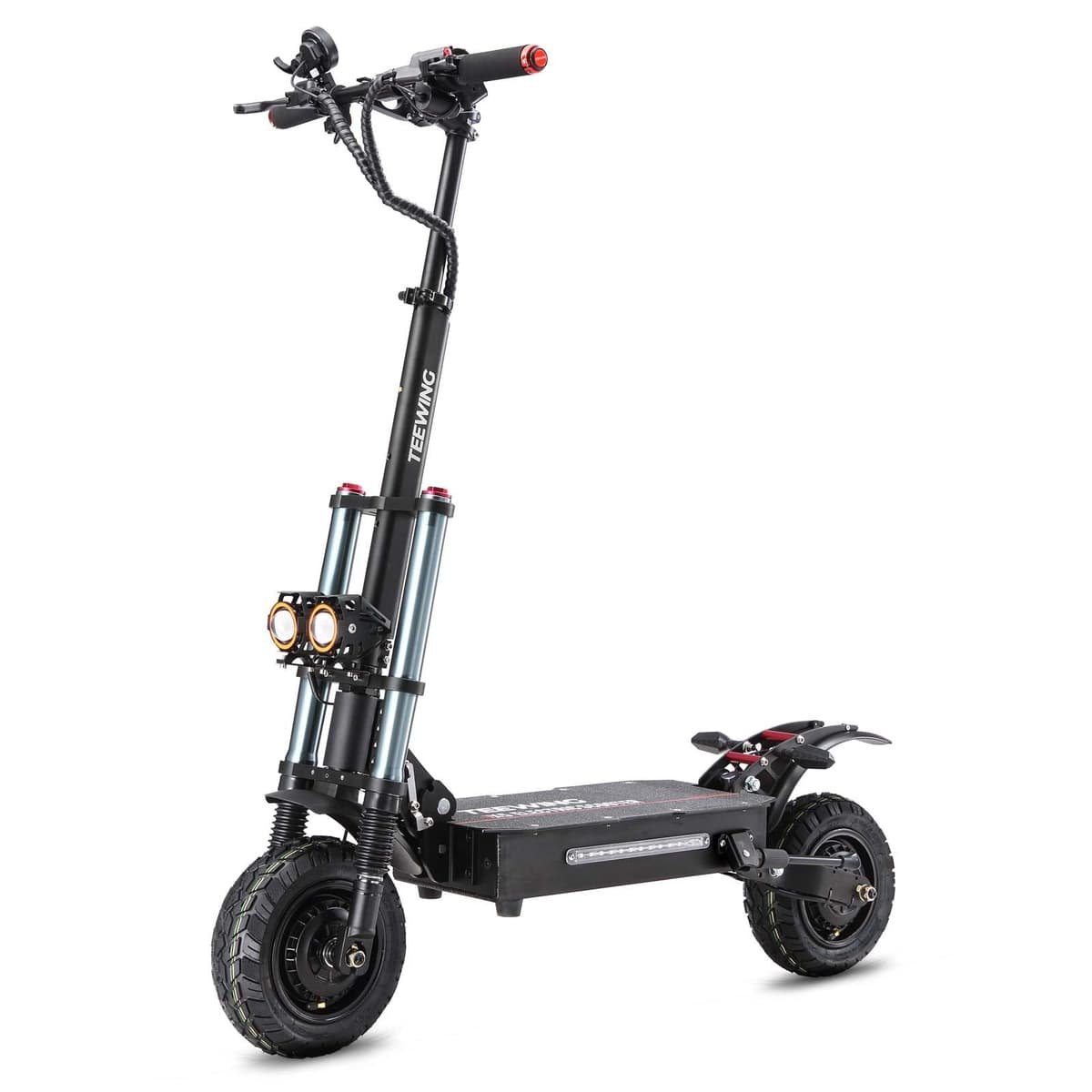
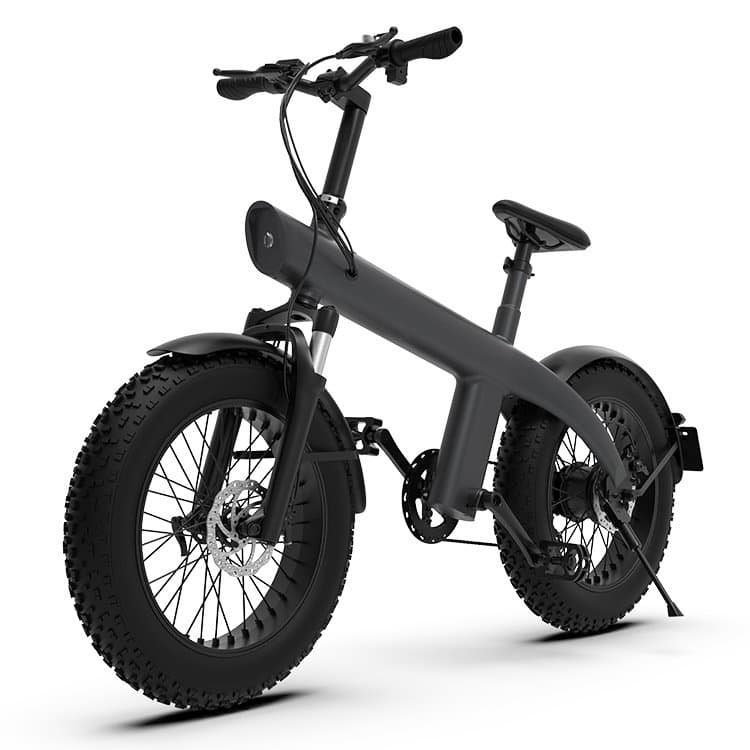
Light rain is fine for some models and a bad idea for others. The IP rating tells you which, if you know how to read it.
The short answer
Check the IP rating in your manual before you ride in the wet. A rating of IPX4 or IP54 means the electric scooter can handle splashes and light rain, not heavy downpours, deep puddles or a pressure washer. No rating means no promise from the maker. Water damage is usually not covered by warranty, so when in doubt, stay dry.
IP stands for ingress protection, and it has two digits. The first is protection against dust, the second against water. An X means that digit was not tested. So IPX4 has a water rating and no dust rating, while IP54 has both.
Read the wording closely. Some makers give one rating for the body and a higher one for the battery. The lower number is the one that decides where you can ride.
A water rating is not a warranty promise. Seals age, and most makers exclude water damage from warranty cover whatever the rating says. Check your terms on our warranty page and in the maker manual.
Everything takes longer in the wet, so give yourself room. Small wheels have a small contact patch, and water cuts the grip they have.
More on charging safely in our battery care guide.
Cold takes range, and ice takes grip. Expect noticeably fewer miles per charge near freezing. The capacity returns when the battery warms up. Keep the electric scooter indoors overnight, and never charge a battery that is below freezing.
For what cold does to distance, see how far an electric scooter really goes.
Look for a stated IP rating, air filled tires, full fenders and good lights. The rating is listed in the specifications on each product page where the maker publishes one. If a page does not show a rating, ask us before you buy and we will check with the maker.
| Model | Top speed (mph) | Range (miles) | Motor power (W) |
|---|---|---|---|
| ETWOW GT Sport | 28 | 28 | 700 |
| Segway E3 Pro | 20 | 34 | 800 |
| NAVEE GT3 Pro | 20 | 37.3 | 1,000 |
| Segway GT3 Pro Super | 50 | 86 | 7,000 |
Maker figures, checked September 2026. Real range and speed depend on rider weight, terrain, temperature and riding mode.
You can see every model in the electric scooter shop.
No. Ratings describe resistance to splashes, jets or brief immersion under test conditions. None of them means you can ride through deep water or leave the vehicle out in storms.
Usually not. Most makers exclude it even on models with a water rating. Read the warranty terms for your model before riding in the wet.
Turn it off, do not charge it, dry it thoroughly and leave it somewhere warm and dry for at least a day. If it behaves oddly afterwards, stop using it and contact the maker.
They have less grip on wet surfaces than air filled tires. You can ride on them in light rain, but slow down more and brake earlier.
There is no single US law for electric scooters. States set the frame, cities fill it in, and both change. Here are the eight things to look up.
Splitting the cost can make sense, as long as you know which plans are interest free, which are not, and what you will have paid at the end.
A second motor changes how an electric scooter climbs, grips and pulls away. It also adds weight and cost. Here is how to tell if you need one.
30+ brands and 200+ models, with free shipping to the 48 contiguous states. Stuck between two? Our AI assistant answers calls and texts any time at (240) 916-2471.