New York electric scooter laws and e-bike rules, statewide, in plain words
New York State sets the definitions, ages, speeds and road rules for electric scooters and e-bikes, and lets towns add their own. Here is what the Vehicle and Traffic Law and the NY DMV say, outside and inside the city.
Published Nov 1, 20268 min read
NYS
The short answer
New York electric scooter laws come from the state Vehicle and Traffic Law (VTL). Under section 114-e, an electric scooter weighs less than 100 pounds and tops out at 20 mph on its motor, and section 1282 bars riding one faster than 15 mph or by anyone under 16. Under section 102-c, an e-bike has working pedals, is no wider than 36 inches, has a motor under 750 watts and fits class 1, 2 or 3; class 3 is only allowed in a city of one million people or more. Both may ride on roads posted at 30 mph or less, not on sidewalks unless local law allows it, and towns can add their own rules.
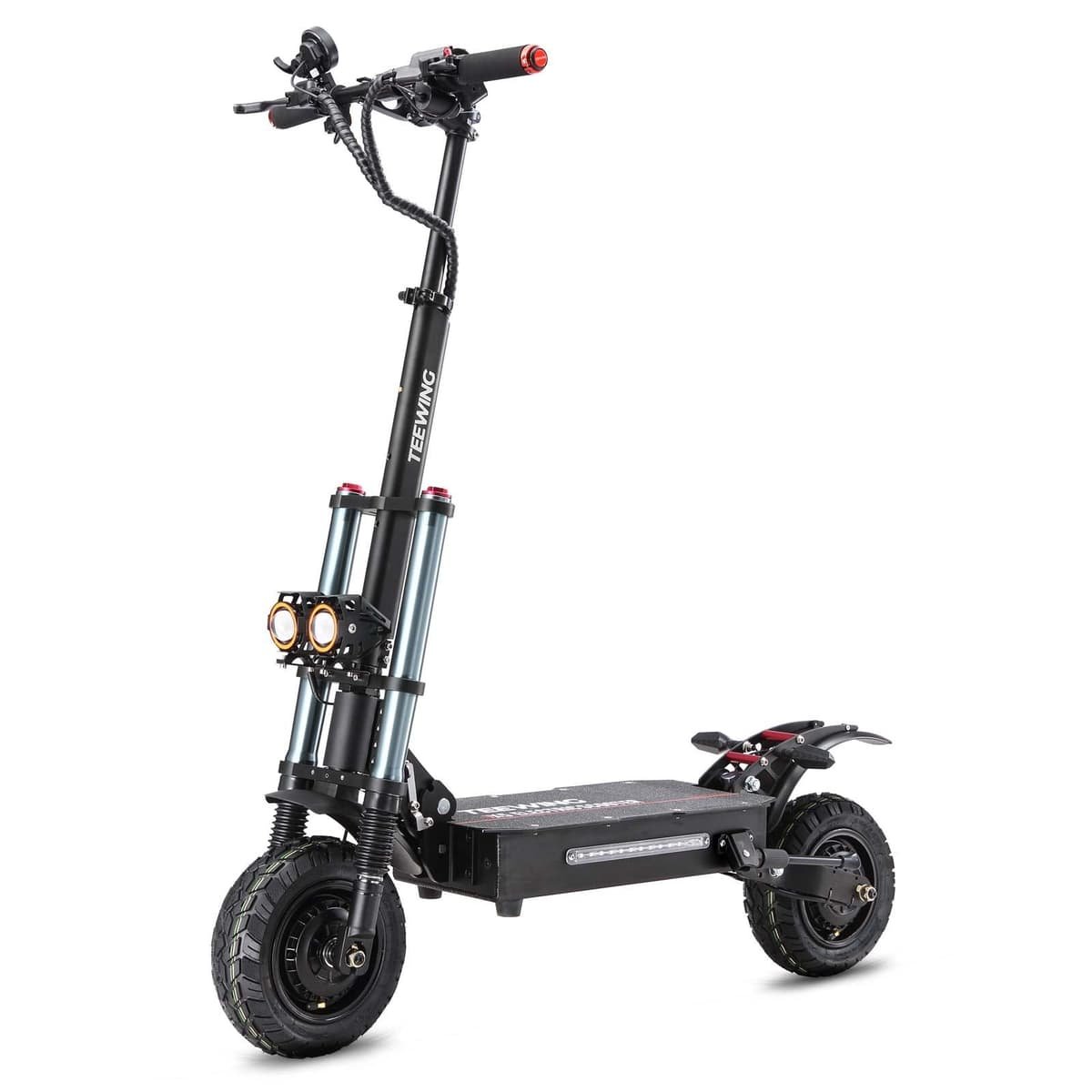
An electric scooter must weigh under 100 lb and top out at 20 mph on the motor, and you may not ride it faster than 15 mph.
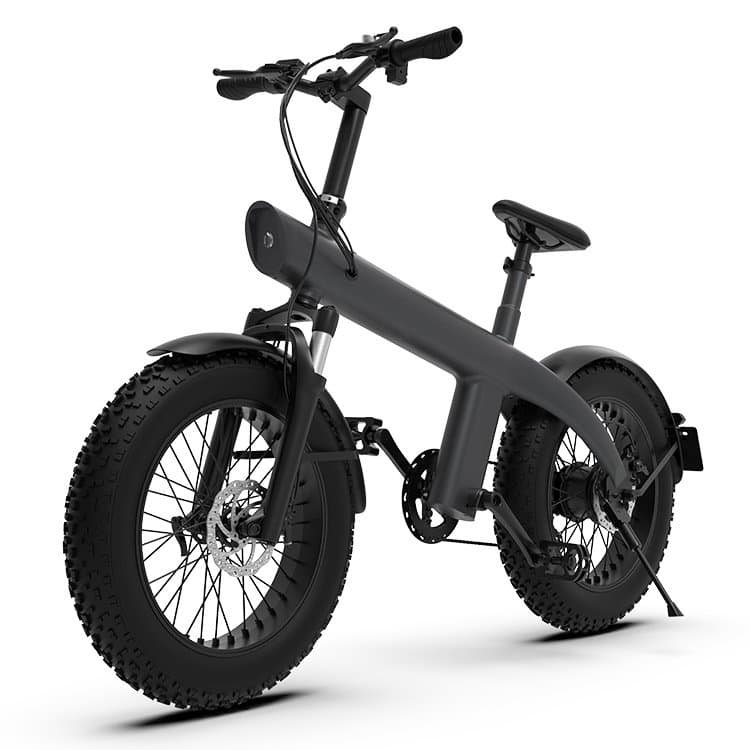
An e-bike needs working pedals, a motor under 750 W and one of three classes. Class 3 is limited to cities of one million or more.
Riders must be 16 or older for both. Every class 3 e-bike rider must wear a helmet.
Roads posted at 30 mph or less, no sidewalks unless local law allows, and towns may add speed, helmet or area rules.
Where these rules come from
Every rule here comes from the New York State Vehicle and Traffic Law, read on the New York State Senate’s official laws site, and from the NY DMV. We used VTL sections 102-c (bicycle with electric assist), 114-e (electric scooter), 1238 (helmets), 1242 (rules for e-bikes), 1281 (local laws for electric scooters) and 1282 (operating electric scooters), plus the DMV page “Electric Scooters and Bicycles and Other Unregistered Vehicles.”
New York City adds its own rules on top; read NYC e-bike laws for those.
This is general information, not legal advice. Cities, towns and villages can add their own rules, and state law can change. Check the NY DMV website and your local government before you buy or ride.
What counts as an electric scooter in New York
VTL section 114-e defines an electric scooter as a device weighing less than 100 pounds, with handlebars, a floorboard or seat to stand or sit on, and an electric motor, which can be powered by the motor, by human power or both. Its top speed on the motor alone, on a paved level surface, must be no more than 20 mph.
A model that weighs 100 lb or more, or can go faster than 20 mph on its motor, falls outside the definition. The DMV page also notes it is illegal to operate an electric scooter faster than 15 mph.
In-stock electric scooters with a maker top speed of 20 mph or less, each weighing well under 100 lb
Maker figures, checked September 2026. Real range and speed depend on rider weight, terrain, temperature and riding mode.
Every model in that table lists UL 2272 certification. Browse more electric scooters.
What counts as an e-bike, and the three classes
VTL section 102-c defines a bicycle with electric assist as one no wider than 36 inches, with an electric motor of less than 750 watts and operable pedals, that meets the federal Consumer Product Safety Commission bicycle standards (16 C.F.R. Part 1512). It must fit one of three classes:
Class 1: the motor helps only while you pedal and stops helping at 20 mph.
Class 2: the motor can move the bike on its own and stops helping at 20 mph.
Class 3: the motor stops helping at 25 mph. This class exists only within a city with a population of one million or more, such as New York City.
Note the wording: less than 750 watts. A bike rated at exactly 750 W, or one without working pedals, is not a bicycle with electric assist under this section. Our guide e-bike classes explained covers the national class system.
In-stock e-bikes that list a motor rating under 750 W and a top speed of 20 mph
Electric scooters: VTL section 1282 says no one under 16 may operate or ride as a passenger on an electric scooter.
E-bikes: VTL section 1242 says no one under 16 may operate a bicycle with electric assist.
Class 3 helmets: VTL section 1238 requires every class 3 e-bike rider, of any age, to wear a helmet that meets state standards.
Younger riders: section 1238 also requires helmets for bicycle riders and passengers aged 1 to under 14, and for riders under 14 on a scooter.
Local governments can add helmet rules under sections 1281 and 1242. Whatever the law says for your age, wear a helmet; our electric scooter helmets guide explains fit and safety marks.
Where you can ride
Both electric scooters and e-bikes may use highways with a posted speed limit of 30 mph or less, according to the DMV and VTL sections 1242 and 1282, unless local rules say otherwise. For e-bikes that includes bike lanes but not interstates.
Sidewalks: not allowed unless a local law or ordinance permits it. Privately owned rides may be parked on a sidewalk if they do not block people walking.
Parks and public land: e-bikes may not ride on public land other than highways and connected greenways unless it is designated for them. Electric scooters may use public land only where it is designated and posted.
Pedestrians: riders of both must yield to people walking.
On the road: e-bike riders ride single file. Scooter riders carry no passengers and keep at least one hand on the handlebars.
Towns can set their own rules. Under sections 1242 and 1281, cities, towns and villages may regulate the time, place and manner of riding, including maximum speed, helmets and reflective clothing, and may ban riding in certain areas if signs are posted. In Nassau, Suffolk and Westchester counties, local speed, helmet and clothing rules for these rides need a county law first.
Speed limits
Electric scooters: no faster than 15 mph (section 1282), even though the definition allows a motor top speed up to 20 mph.
Class 1 and class 2 e-bikes: no faster than 20 mph (section 1242).
Class 3 e-bikes: no faster than 25 mph, and not at all outside a city of one million or more.
Local rules can set lower limits, so pick a riding mode that keeps you under yours.
Labels, registration and batteries
Neither an e-bike nor an electric scooter that meets these definitions is registered with the DMV. Labels matter instead. Section 1242 says e-bikes sold or leased after June 1, 2022 must carry a permanent maker label showing the class, the top motor-assisted speed and the motor wattage. Section 1282 requires scooters sold or leased from June 1, 2022 to carry a label with the top motor-assisted speed, rider capacity and motor wattage. Riding without the label can bring a civil fine of up to $50.
The DMV page also warns that lithium-ion batteries can cause fires if left to charge too long. Our sibling guide to e-bike battery fire safety covers the FDNY’s charging rules.
Dirt bikes, mini bikes and faster rides
The DMV lists mini bikes and off-road motorcycles (dirt bikes) among the devices that cannot be registered or ridden on public roads, sidewalks or parking lots, and says dirt bikes generally must be registered as ATVs unless exempt. Every bike on our electric dirt bikes page is for off-road use only, on private land or at a riding park. See street legal electric dirt bikes for what road use takes.
A quick checklist for New York riders
An electric scooter under 100 lb that tops out at 20 mph on the motor, or an e-bike with pedals, a motor under 750 W and a class label.
Age 16 or older.
A helmet on every ride, and always on a class 3 e-bike.
Roads posted at 30 mph or less, no sidewalks unless local law allows.
15 mph or less on an electric scooter, 20 or 25 mph on an e-bike by class.
Your town’s own rules, especially in Nassau, Suffolk and Westchester.
This is general information, not legal advice. It reflects the VTL sections and NY DMV page named above as of November 2026. Check the NY DMV website and your local rules before you ride.
How fast can you ride an electric scooter in New York?
No faster than 15 mph under VTL section 1282, and the DMV says the same. To count as an electric scooter at all, it must top out at 20 mph or less on the motor and weigh under 100 lb.
How old do you have to be to ride an e-bike or electric scooter in New York?
At least 16 for both. VTL section 1242 sets the age for e-bikes and section 1282 for electric scooters, which also bars passengers under 16.
Do I need to register an e-bike or electric scooter in New York?
Not if it meets the state definitions. The DMV says e-bikes cannot be registered as motorcycles, mopeds or ATVs. Rides sold since June 1, 2022 do need the maker’s label.
Are class 3 e-bikes legal in New York State?
Only within a city with a population of one million or more, such as New York City, under VTL sections 102-c and 1242. Every class 3 rider must wear a helmet, and the state limit is 25 mph.
Pennsylvania treats a small e-bike like a bicycle, but its Vehicle Code has no category for electric scooters. Here is what PennDOT and DCNR say about e-bikes, scooters, mopeds and motor-driven cycles.
Connecticut rewrote its e-bike and scooter definitions on October 1, 2025. Here is what CTDOT and the state's official summary of Public Act 25-159 say about classes, helmets, trails, scooters and motor-driven cycles.
Lithium-ion batteries power every e-bike and electric scooter. Here is what the FDNY and the US Consumer Product Safety Commission say about buying, charging, storing and recycling them, and what to do if one fails.
Nov 1, 20268 min read
Ready to look at models?
Shop the rides
30+ brands and 200+ models, with free shipping to the 48 contiguous states. Stuck between two? Our AI assistant answers calls and texts any time at (240) 916-2471.