E-bike battery fire safety: what the FDNY and CPSC tell riders
Lithium-ion batteries power every e-bike and electric scooter. Here is what the FDNY and the US Consumer Product Safety Commission say about buying, charging, storing and recycling them, and what to do if one fails.
Published Nov 1, 20268 min read
SAFETY
The short answer
E-bike battery fire safety comes down to four habits, according to the FDNY and the US Consumer Product Safety Commission (CPSC). Buy a ride and battery with certification from a nationally recognized testing laboratory such as UL. Charge only with the charger that came with it, plugged straight into a wall outlet, and stay with it while it charges. Store and charge it away from anything flammable and never where it blocks your way out. Stop using a battery that is damaged, hot, swollen, leaking or smells odd. If a battery catches fire, the FDNY says to leave the area, close the door and call 911.
Buy rides and batteries with certification from a recognized testing lab, such as UL 2272 for electric scooters and UL 2849 for e-bikes.
Use only the maker’s charger, plug into a wall outlet, and never charge while you sleep or are away.
Overheating, swelling, leaking, odd smells or noises are warning signs. Stop charging and step away.
The FDNY says fire extinguishers do not work on lithium-ion battery fires: leave, close the door and call 911.
Where this advice comes from
Every safety point in this guide comes from an official source. We used the FDNY fire safety tips sheet “Dangers of Lithium-Ion Batteries” on nyc.gov, the FDNY Fire Safety Education bulletin for 2022 to 2023, the FDNY’s National Fire Prevention Week release of October 7, 2025, and the CPSC Micromobility Information Center page on e-bikes, electric scooters and hoverboards.
The FDNY’s sheet says fires caused by lithium-ion batteries have increased dramatically in New York City, and that these rechargeable batteries are found in e-bikes and scooters as well as cars, laptops, tablets and phones. The advice applies anywhere.
This is general information, not legal advice. Fire codes and building rules vary by city and building. Check your local fire department and your building’s rules, and always follow the maker’s manual for your ride.
Start with a ride and battery that carry a safety certification
The FDNY tells New Yorkers to always buy and use devices with certification from a Nationally Recognized Testing Laboratory. Its bulletin names UL, ETL and CSA as symbols to look for, and explains that these labs test products to make sure they meet industry standards and are safe under normal use. The CPSC gives the same advice in its own words: buy devices and batteries made and tested for compliance with the applicable voluntary safety standards.
For rides, the standards to look for are UL 2272 for electric scooters and hoverboards, UL 2849 for e-bikes and UL 2271 for batteries. Our guide UL 2272, UL 2849 and UL 2271 explained shows how to read a listing and check a mark. In New York City, only rides with these certifications may be sold, leased or rented; see NYC e-bike laws.
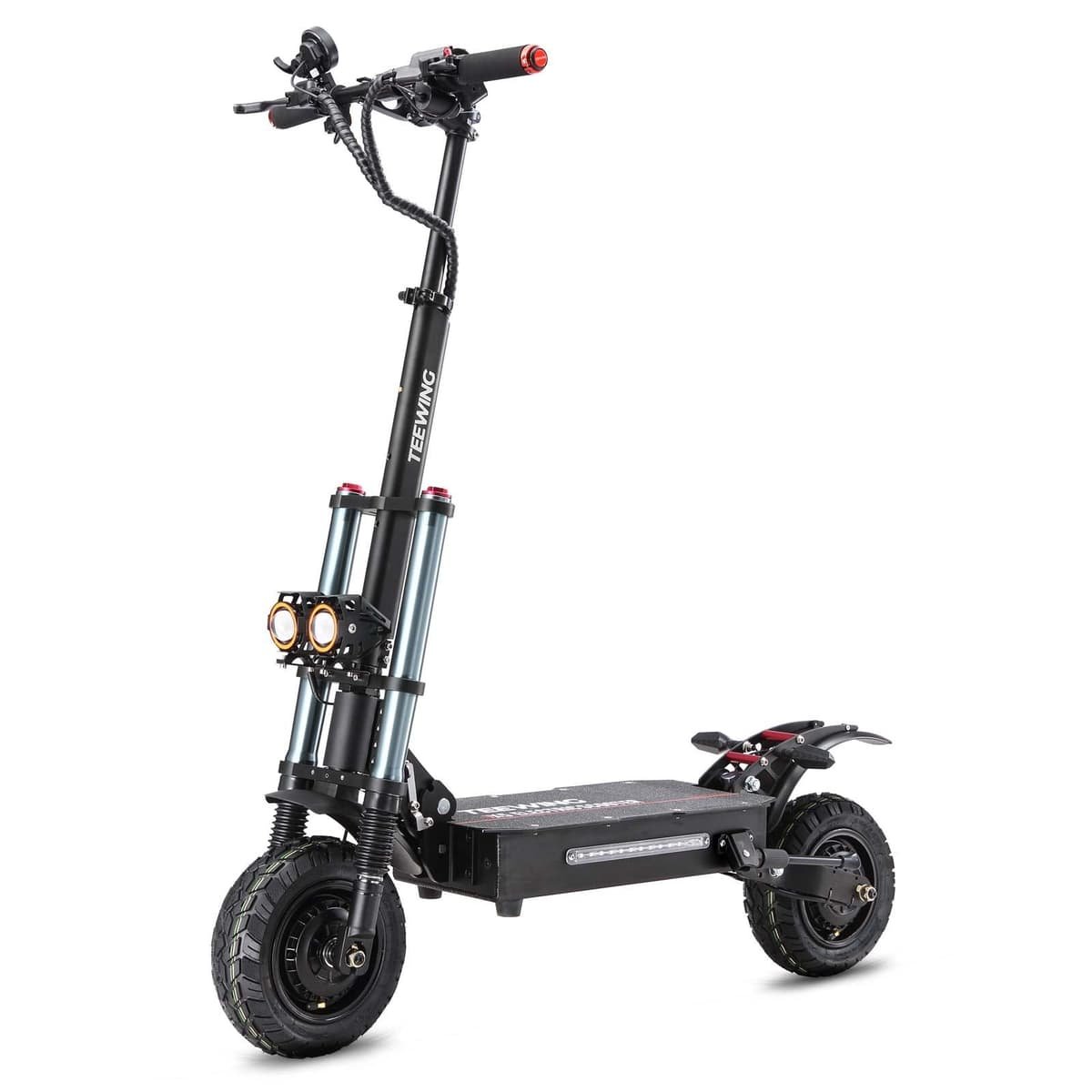
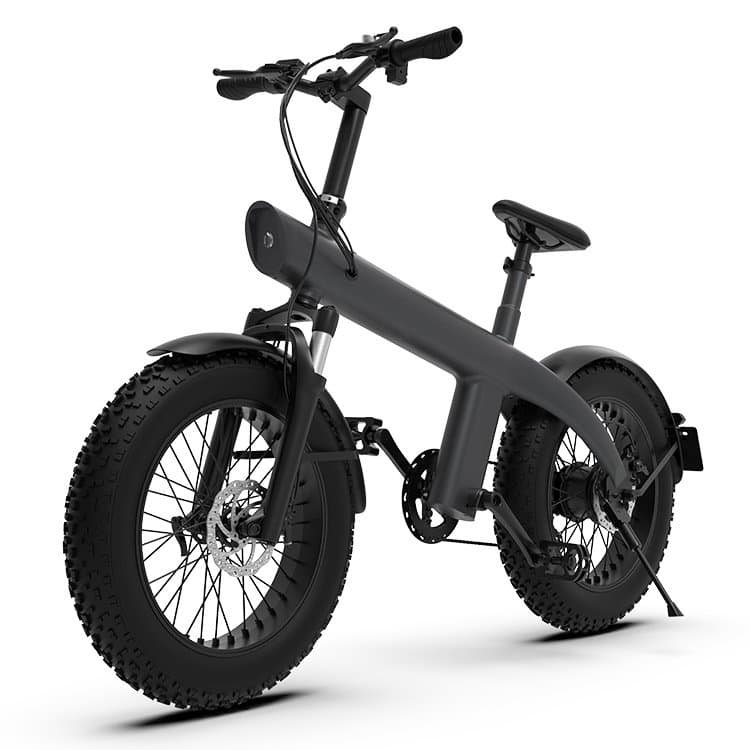
In-stock rides whose listings name UL 2272 (electric scooters) or UL 2849 (e-bikes) certification
Most of the FDNY’s tips are about charging. From its safety sheet and bulletin:
Use the correct battery, cord and power adapter. The FDNY says never to use aftermarket or generic batteries or chargers. Its bulletin explains that an unapproved battery or charger may overcharge, overheat and catch fire. The CPSC also says to use only the charger that came with the device or one the maker recommends.
Plug straight into a wall outlet. The FDNY says never to plug into a power strip or overload an outlet. Its bulletin warns that charging draws more current than most extension cords and power strips can handle, so they can overheat.
Stay with it. The FDNY says never to leave e-bikes or electric scooters charging unattended, and never to charge overnight. The CPSC says the same: be present while charging, and do not charge while sleeping or away from home.
Do not overcharge. Unplug once charging is done, as both the FDNY and the CPSC advise.
Charge in the right place. The FDNY says never to charge a battery or device under a pillow, on a bed or near a couch, and to keep batteries away from heat sources and anything flammable. Its October 2025 release adds: charge and store outdoors wherever possible.
Where the ride sits matters as much as how it charges. The FDNY’s advice for storage:
Keep batteries and devices at room temperature.
Store them away from anything flammable and away from heat sources.
Never block your main way in or out of a room or apartment. The FDNY bulletin says never to charge an e-bike next to the apartment entrance door or anywhere it could stop you escaping.
If your building or employer offers a safe charging and storage area, the FDNY bulletin suggests using it instead of your apartment.
Short on space? Our guide to electric scooter apartment storage has layout ideas. The FDNY sheet also notes that under the NYC Fire Code (Chapter 3, Section FC 309), storing and charging five or more batteries needs a dedicated space, which mostly affects businesses and delivery fleets.
Warning signs a battery is failing
The FDNY bulletin lists these warning signs:
Fire or smoke.
The battery overheating.
A change in the battery’s shape or color.
The battery leaking.
A strange smell from the battery.
The battery making odd noises.
If you notice any of them, stop charging and stop riding, and keep your distance. The FDNY says never to use damaged batteries, and the CPSC says not to use a battery pack modified or repaired by unqualified people, or one built from used or repurposed cells. Power the ride off, follow the maker’s manual, and send any battery, charger or wiring problem to a qualified technician. If the fault is covered, start a claim through our warranty page. Never modify a battery.
If a battery catches fire
The FDNY’s instruction is short: leave the area, close the door, and call 911 immediately.
Its safety sheet explains why. Fire extinguishers do not work on lithium-ion battery fires, and water may not stop a battery from burning and spreading. Cells can explode and spread fire to other batteries and devices. A battery can keep making heat with no visible flame, and the FDNY says lithium-ion batteries are known to reignite without warning minutes, hours and even days after all visible fire has been put out.
The FDNY bulletin also says apartment and stairwell doors should be kept closed at other times too.
Replacement batteries and recycling
A replacement battery should be one the maker approves for your ride. The CPSC says to use only a replacement or spare battery that is tested and confirmed by the maker as suitable for your device. The FDNY’s bulletin says to use the original battery, adapter and cord, or a maker-recommended or lab-tested replacement. Our guide to replacing an electric scooter battery explains what to check, and the work itself belongs with a qualified technician.
Never put lithium-ion batteries in the trash. The CPSC says to take them to a battery recycler or a household hazardous waste collection site. The FDNY says placing batteries in the trash or recycling bin is illegal in New York City, and points to NYC battery recycling centers listed at nyc.gov/batteries. If a battery or ride is recalled, the CPSC says to follow the disposal steps in its recall notice, and you can report a battery problem to the CPSC at SaferProducts.gov.
A quick e-bike battery fire safety checklist
A ride and battery with certification from a recognized testing lab, such as UL.
The maker’s charger only, plugged straight into a wall outlet.
Charging while you are home and awake, unplugged when it is full.
Storage at room temperature, away from heat, anything flammable and your exits.
No damaged, swollen, leaking or modified batteries.
Leave, close the door and call 911 if a battery catches fire.
This is general information, not legal advice. It reflects the FDNY and CPSC sources named above as of November 2026. Check your local fire department’s current guidance and your ride’s manual.
Questions riders ask
Is it safe to charge an e-bike overnight?
No. The FDNY says never to charge a battery overnight or leave an e-bike or electric scooter charging unattended, and the CPSC says not to charge while sleeping or away from home. Unplug once it is full.
Can I charge my e-bike with a power strip or extension cord?
The FDNY says no. Plug the charger straight into a wall outlet. Its bulletin explains that charging draws more current than most power strips and extension cords can handle.
Can I use a cheaper aftermarket charger?
The FDNY says never to use aftermarket or generic batteries or chargers, and the CPSC says to use only the charger that came with the device or one the maker recommends.
What should I do if my e-bike battery catches fire?
Leave the area, close the door and call 911 immediately, as the FDNY instructs. The FDNY says fire extinguishers do not work on lithium-ion battery fires, and batteries can reignite hours or days later.
How do I dispose of an old e-bike battery?
Never in the trash or a recycling bin. The CPSC says to take it to a battery recycler or a household hazardous waste site. In New York City, the FDNY points to battery recycling centers at nyc.gov/batteries.
Pennsylvania treats a small e-bike like a bicycle, but its Vehicle Code has no category for electric scooters. Here is what PennDOT and DCNR say about e-bikes, scooters, mopeds and motor-driven cycles.
Connecticut rewrote its e-bike and scooter definitions on October 1, 2025. Here is what CTDOT and the state's official summary of Public Act 25-159 say about classes, helmets, trails, scooters and motor-driven cycles.
New York State sets the definitions, ages, speeds and road rules for electric scooters and e-bikes, and lets towns add their own. Here is what the Vehicle and Traffic Law and the NY DMV say, outside and inside the city.
Nov 1, 20268 min read
Ready to look at models?
Shop the rides
30+ brands and 200+ models, with free shipping to the 48 contiguous states. Stuck between two? Our AI assistant answers calls and texts any time at (240) 916-2471.