Pennsylvania electric scooter laws and e-bike rules, from PennDOT
Pennsylvania treats a small e-bike like a bicycle, but its Vehicle Code has no category for electric scooters. Here is what PennDOT and DCNR say about e-bikes, scooters, mopeds and motor-driven cycles.
Published Nov 1, 20268 min read
PA
The short answer
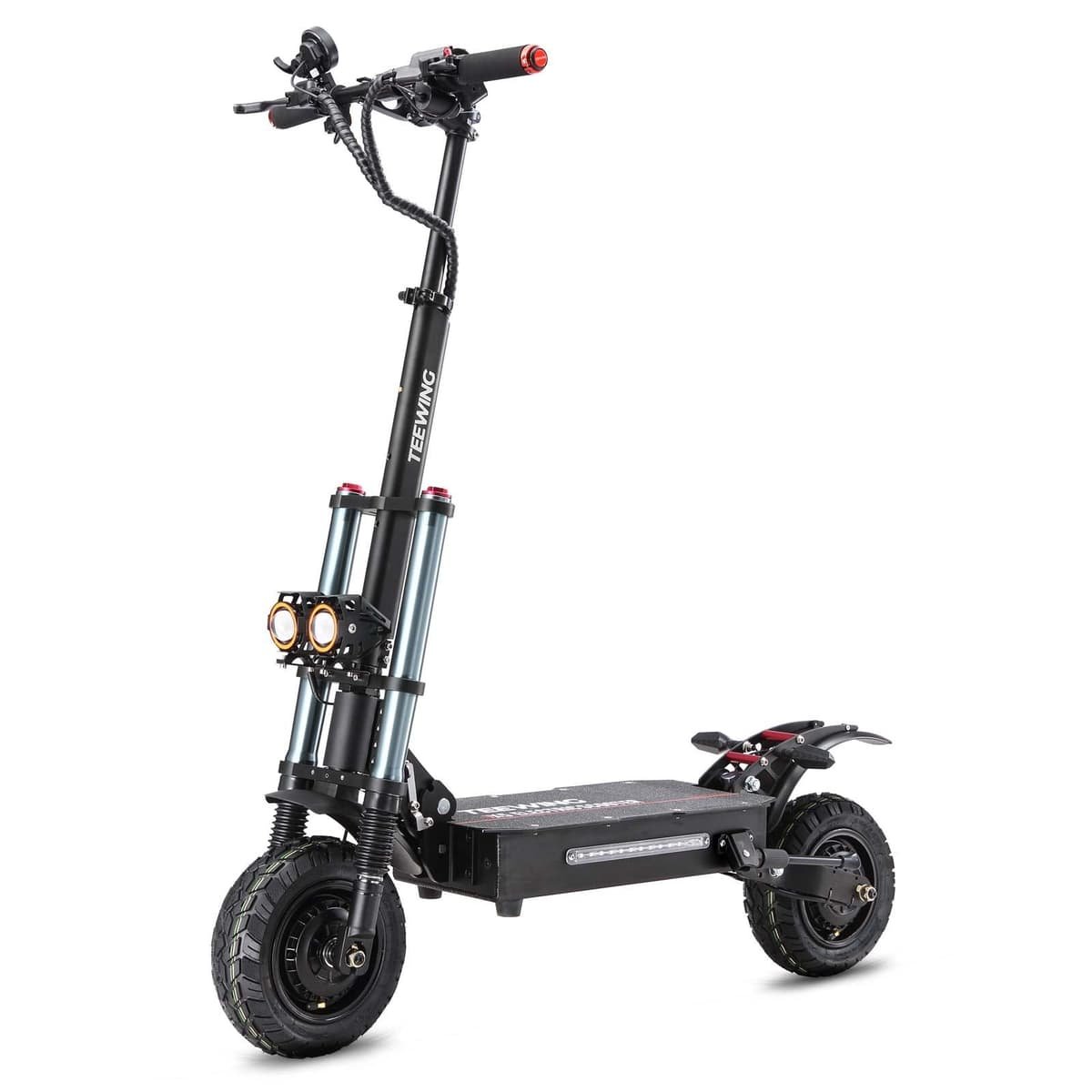
Pennsylvania electric scooter laws are strict: PennDOT’s micromobility sheet says electric scooters are not specifically defined in the Pennsylvania Vehicle Code, and devices the code does not define may not legally be ridden on highways, which includes roads, sidewalks and bike lanes. E-bikes are different. A pedalcycle with electric assist weighs no more than 100 pounds, has working pedals, a motor of 750 watts or less and a top speed of 20 mph on the motor alone. PennDOT treats it as a bicycle, with no title, registration, insurance or driver’s license, but the rider must be at least 16.
PennDOT says electric scooters are not defined in the Vehicle Code, so they may not legally be ridden on roads, sidewalks or bike lanes.
An e-bike (pedalcycle with electric assist) is up to 100 lb, 750 W or less, with pedals, and 20 mph on the motor alone.
E-bike riders must be 16 or older. No title, registration, insurance or license is needed.
Faster rides become mopeds or motor-driven cycles, with plates, a license and, for most, insurance.
Where these rules come from
Every rule here comes from Pennsylvania state agencies. We used PennDOT’s “PA Micromobility Information Sheet” (Publication 944, edition 8-26), PennDOT’s fact sheet “Mopeds, Motor-Driven Cycles and Motorcycles” (February 2025), and the Department of Conservation and Natural Resources (DCNR) page “E-Bikes in Pennsylvania State Parks and Forests.” Their definitions come from Title 75, the Pennsylvania Vehicle Code.
This is general information, not legal advice. Laws change and towns may add rules. Check PennDOT’s website and your municipality before you buy or ride.
Pennsylvania electric scooter laws: the short version
PennDOT’s Publication 944 lists the electric scooter as “not specifically classified or defined in the PA Vehicle Code.” The same sheet answers the obvious question: devices and vehicles not defined in Pennsylvania law may not be legally operated on highways as the Vehicle Code defines them, including sidewalks, bike lanes and roads.
PennDOT’s moped fact sheet says the same about seatless motorized scooters in plainer terms. It describes a motorized scooter as a two-wheeled vehicle powered by an engine or electric motor with no seat for the driver, and says these vehicles do not meet the equipment and inspection standards for motor vehicles, cannot be titled or registered in Pennsylvania, and cannot be ridden on Pennsylvania roadways or sidewalks.
Publication 944 adds that Pennsylvania’s DUI laws still apply to micromobility devices.
What this means if you live in Pennsylvania: treat a stand-up electric scooter as a ride for private property, with the owner’s permission, unless the law changes. If you want to ride on public roads, look at an e-bike that fits the definition below instead, and check with PennDOT and your township first.
What counts as an e-bike in Pennsylvania
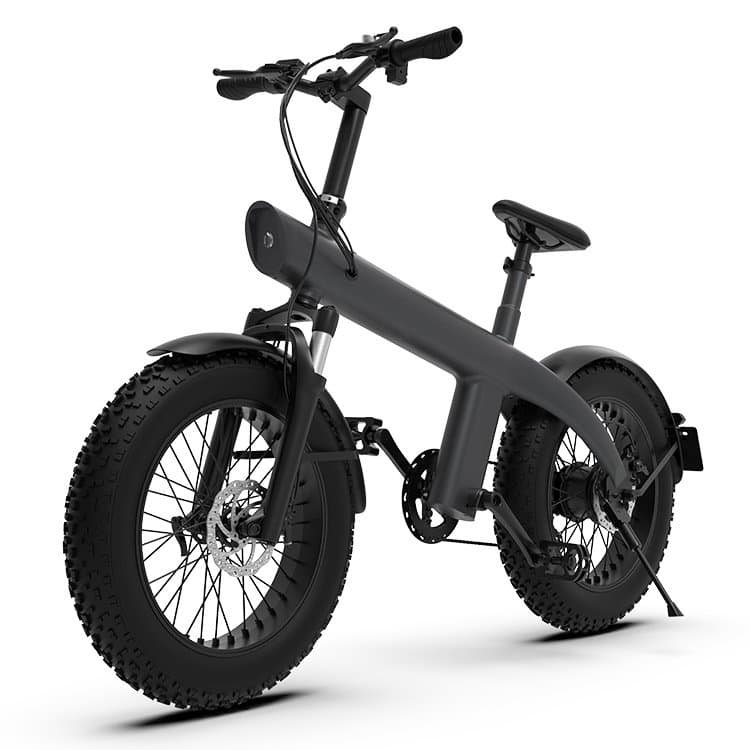
The Vehicle Code calls an e-bike a “pedalcycle with electric assist.” PennDOT’s fact sheet defines it as a vehicle that:
weighs not more than 100 pounds;
has two or three wheels more than 11 inches in diameter;
is built with an electric motor system rated at not more than 750 watts;
has operable pedals; and
can go no faster than 20 mph on a level surface when powered by the motor alone.
PennDOT does not use the three-class system in these sheets. Note the 20 mph cap on the motor alone: some e-bikes sold as class 3 assist past 20 mph, so check the speed settings on any listing. Our guide e-bike classes explained covers the classes used in other states.
In-stock e-bikes that list a motor of 750 W or less, a top speed of 20 mph or less, wheels larger than 11 inches and a weight under 100 lb
Maker figures, checked September 2026. Real range and speed depend on rider weight, terrain, temperature and riding mode.
The Gyroor EB262 is a 26-inch bike with a 450 W motor, 20 mph and a listed weight of 49 lb. The Gyroor EB263 moves up to a 700 W motor at 54.9 lb, and the Hiboy C1 folds, rides on 14-inch tires and lists 20 mph on both the throttle and pedal assist at 50.1 lb. See more in our electric bikes collection.
License, registration and age for e-bikes
PennDOT says pedalcycles with electric assist are considered bicycles and do not need titling, registration or insurance. The rider does not need a driver’s license but must be at least 16 years old. Publication 944 confirms the minimum age of 16 and says all the laws for pedalcycles also apply to e-bikes.
If you are buying for a younger rider, browse kids electric rides for private property and supervised use instead.
Riding rules that apply to e-bikes
Because e-bikes follow the pedalcycle laws, these rules from Publication 944 apply:
Helmets: required for riders under 12. PennDOT adds that wearing a helmet is always the safest choice.
Passengers: carry only as many riders as the bike is designed and equipped for, with an exception for an adult carrying a child in a securely attached carrier or trailer.
Lights: a white front light, a red rear reflector and amber reflectors are required between sunset and sunrise.
Equipment: ride on a permanent seat, with brakes. An audible signal is allowed, a siren is not.
Sidewalks: allowed outside business districts as long as you yield to pedestrians. In a business district, only where traffic-control devices permit it.
Roads: bike lanes are allowed, and shoulders are allowed in the direction of traffic. Slower than traffic, keep to the right. No more than two abreast, except in bike lanes or paths. No freeways, except approved events or where allowed under section 3511.
DCNR says its policy focuses on how people behave, not on the bikes themselves. On its land:
Roads: bikes may use DCNR public use roads unless marked as closed to bikes.
Non-motorized trails: e-bikes may use trails open to regular bikes if they weigh no more than 100 lb, go no faster than 20 mph on the motor, have a motor no bigger than 750 W and have working pedals. You must pedal; using the throttle alone is not allowed.
Motorized trails: e-bikes are generally allowed unless marked as closed to pedalcycles.
Off limits: natural areas, hiking trails marked with yellow or orange blazes, and any trail or road signed No Biking.
DCNR adds that mopeds and motor scooters are not considered bikes or e-bikes and are barred from its trails.
Mopeds, motor-driven cycles and faster rides
A ride that is too heavy, too powerful or too fast for the e-bike definition falls into a motor vehicle category. PennDOT’s sheets describe two:
Moped (motorized pedalcycle): a motor-driven cycle with operable pedals, an automatic transmission and a design speed of no more than 25 mph, gas or electric. The rider must be 16 or older with a Class C driver’s license. A moped registration plate is issued, inspection is not required, helmets and eye protection are not required, and it may not use limited access highways.
Motor-driven cycle, including a motor scooter: a motorcycle with a motor of no more than 5 brake horsepower. The rider must be 16 or older with a Class M license (a Class C covers one with an automatic transmission and 50cc or less). It needs registration, insurance and inspection, a motorcycle plate, eye protection and, for riders under 21, a helmet, with some exceptions for experienced riders 21 and older. It may not use sidewalks or bike lanes.
PennDOT’s fact sheet says owners of these vehicles must complete the financial responsibility statement and give insurance details when registering. Our electric dirt bikes are a separate case: every bike on our electric dirt bikes page is for off-road use only, on private land or at a riding park. PennDOT notes that ATVs are titled and registered through DCNR, may not be rebuilt for highway use and may only be used off road.
A quick checklist for Pennsylvania riders
An e-bike under 100 lb, 750 W or less, with pedals, that tops out at 20 mph on the motor.
Age 16 or older for any e-bike.
A helmet on every ride; the law requires one under 12.
Lights and reflectors after sunset, and no sidewalks in business districts unless signs allow.
A stand-up electric scooter kept to private property with permission, since PennDOT says it is not defined in the Vehicle Code.
This is general information, not legal advice. It reflects the PennDOT and DCNR sources named above as of November 2026. Check PennDOT’s website and your local rules before you ride.
Not on public roads under current law. PennDOT’s Publication 944 says electric scooters are not specifically defined in the Vehicle Code, and devices the code does not define may not legally be ridden on highways, including roads, sidewalks and bike lanes.
Do I need a license or registration for an e-bike in Pennsylvania?
No, if it meets the pedalcycle with electric assist definition. PennDOT says these e-bikes are considered bicycles and need no title, registration, insurance or driver’s license.
How old do you have to be to ride an e-bike in Pennsylvania?
At least 16. PennDOT’s fact sheet and Publication 944 both set 16 as the minimum age for a pedalcycle with electric assist.
What is the speed limit for an e-bike in Pennsylvania?
To count as an e-bike, it must go no faster than 20 mph on a level surface on the motor alone, with a motor of 750 W or less and a weight of 100 lb or less.
Can I ride an e-bike in Pennsylvania state parks?
Often, yes. DCNR allows e-bikes that meet the 100 lb, 20 mph and 750 W limits on trails open to bikes, as long as you pedal. Natural areas, hiking trails with yellow or orange blazes and No Biking trails are off limits.
Connecticut rewrote its e-bike and scooter definitions on October 1, 2025. Here is what CTDOT and the state's official summary of Public Act 25-159 say about classes, helmets, trails, scooters and motor-driven cycles.
New York State sets the definitions, ages, speeds and road rules for electric scooters and e-bikes, and lets towns add their own. Here is what the Vehicle and Traffic Law and the NY DMV say, outside and inside the city.
Lithium-ion batteries power every e-bike and electric scooter. Here is what the FDNY and the US Consumer Product Safety Commission say about buying, charging, storing and recycling them, and what to do if one fails.
Nov 1, 20268 min read
Ready to look at models?
Shop the rides
30+ brands and 200+ models, with free shipping to the 48 contiguous states. Stuck between two? Our AI assistant answers calls and texts any time at (240) 916-2471.