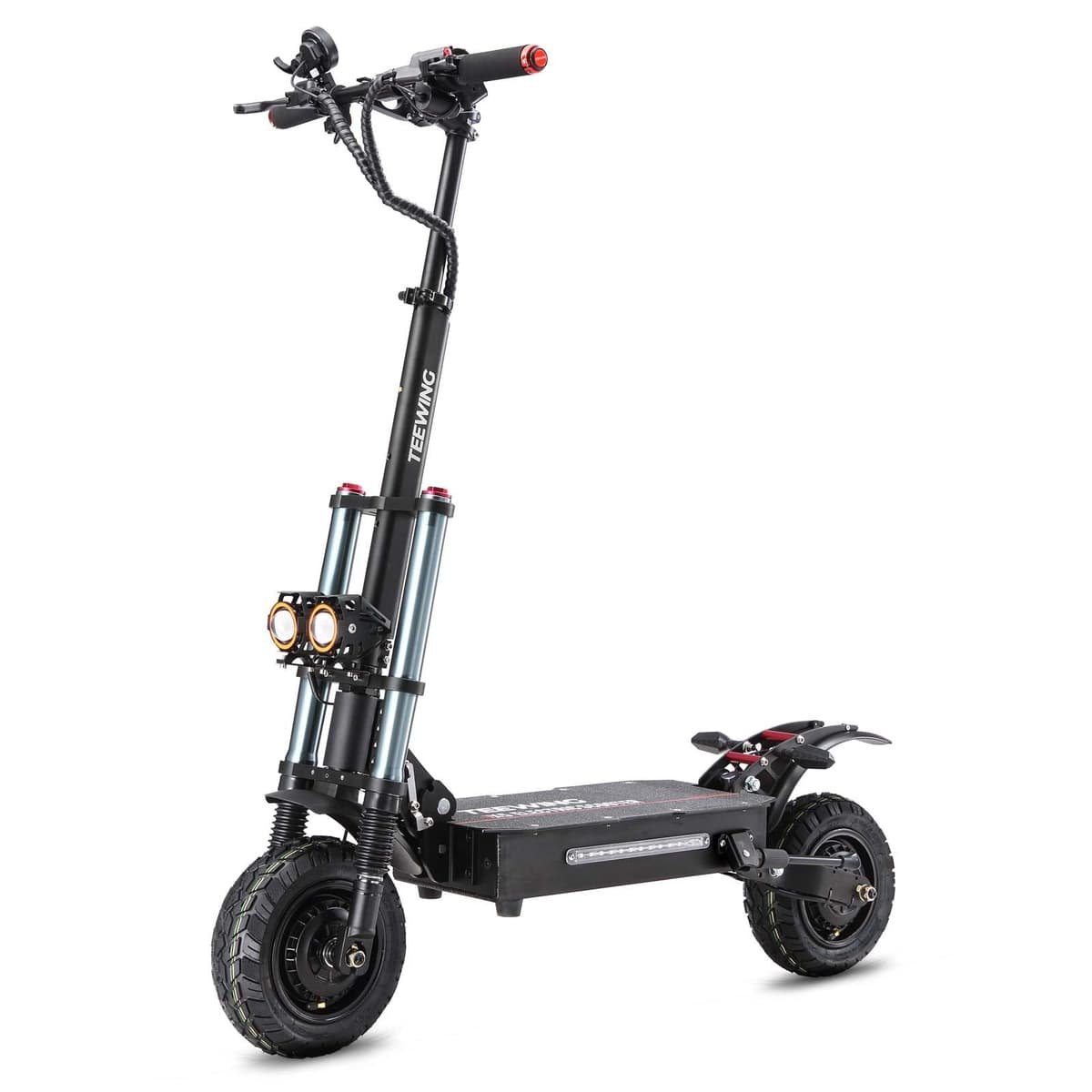
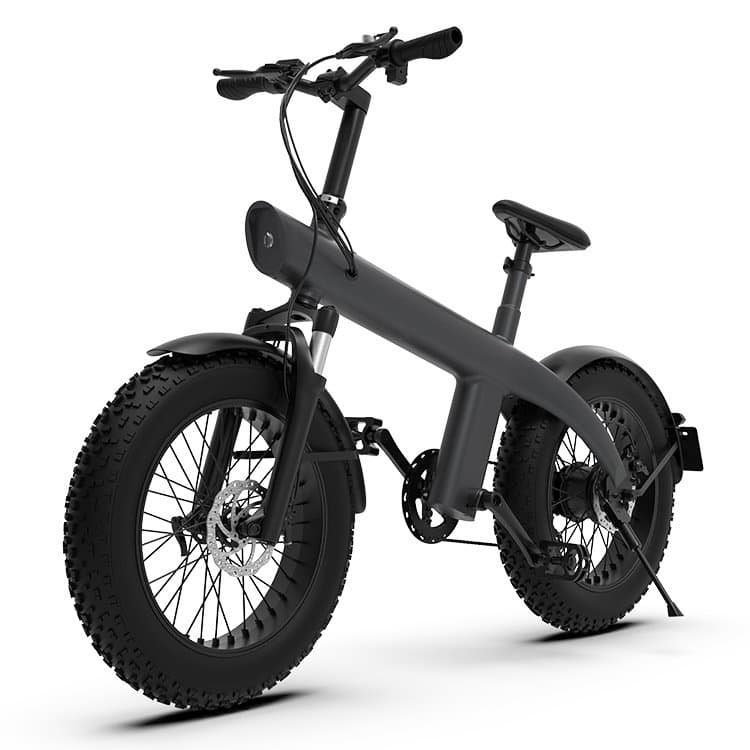
Do you need a license for electric scooter riding? What decides it
Whether you need a license depends less on the ride you buy and more on how your state classes it. Speed, power, weight and pedals decide which group it falls into.
Published Oct 7, 20267 min read
LICENSE
The short answer
In most states you do not need a license for electric scooter riding, as long as the scooter meets the state definition, which usually caps speed and sometimes weight. A few states do require a driver license. Low-speed electric scooters and class 1 to 3 e-bikes are usually treated differently from mopeds and motorcycles, which often need a license, registration and insurance. Faster or more powerful rides can fall into those groups, and high-power off-road models stay off public roads. Rules vary by state and city, so check your state motor vehicle agency before you ride.
Your state’s definitions decide the answer. A ride that fits the electric scooter or e-bike definition usually needs no license.
Top speed, motor power, weight and pedals are what move a ride from one group to another.
Mopeds and motorcycles often need a license, registration and insurance. Off-road only models stay off public roads whatever license you hold.
This is general information, not legal advice. Check your state and city rules before you buy.
Why the answer depends on how your state classes the ride
A license follows the vehicle class, and your state sets the classes. Most states have a definition for an electric scooter (sometimes called a motorized scooter), one for electric bikes, and separate ones for mopeds and motorcycles. The group your ride falls into decides whether you need a license, registration, plates or insurance.
The same ride can land in different groups in different states, which is why no single list answers the question for every reader. Our guide electric scooter laws: what to check before you ride lists the eight rules to look up, and license is one of them. This guide looks at what pushes a ride from one group into the next.
The four groups most states use
Electric scooters. Stand-up rides that stay within the state’s speed limit and, in some states, a weight limit. In most states no license is needed, though a few require a driver license.
Electric bikes in the three classes. Pedal assist or throttle bikes whose motor stops helping at 20 or 28 mph, usually with a motor of 750 W or less. In many states they are treated much like bicycles, with no license or registration.
Mopeds and similar limited speed vehicles. Faster or more powerful two-wheelers that fall outside the scooter and e-bike definitions. These often need a license, registration and insurance.
Motorcycles. Full road vehicles that need a title, plates, insurance and usually a motorcycle license or endorsement.
Off-road vehicles sit outside all four. They are not meant for public roads, so holding a license does not make them road legal.
What moves a ride from one group to another
Top speed on the motor. The most common line. Many states cap electric scooters at 15 or 20 mph, and the e-bike classes stop at 20 or 28 mph. Go past the line and the ride may count as something else.
Motor power. Many states expect an e-bike motor to be rated at 750 W or less. Check whether a figure is rated or peak, because the two are measured differently.
Weight. Some states set a maximum weight for an electric scooter.
Working pedals. A bike needs them to count as an e-bike.
Settings and unlocks. How a state treats a ride that ships limited but can be unlocked to a higher speed varies. Ask your motor vehicle agency before you count on the lower group.
From low-speed commuters to off-road and road legal models in our catalog. How each one is classed depends on your state.
Maker figures, checked September 2026. Real range and speed depend on rider weight, terrain, temperature and riding mode.
Low-speed electric scooters and e-bikes
These are the rides least likely to need a license. The Segway F2 tops out at about 18 mph, the INMOTION Air at 19 mph and the Segway F3 at about 20 mph. Minimum ages and helmet rules can still apply, and Segway lists a rider age of 16+ for the F3.
Some scooters have speed gears that go past common limits. The KUKIRIN G2 has gears of 15, 21 and 27 mph. If your state caps electric scooters at a lower speed, ask how it treats a model whose top gear goes past the cap.
E-bikes work the same way. The Segway Xafari is listed as class 2 at 20 mph, or class 3 at 28 mph where allowed. The Hiboy EX9 rides at 20 mph by default and adjusts up to 28 mph with pedal assist, as class 3. Class 3 often comes with a minimum rider age and a helmet rule.
Faster scooters and moped style rides
Speed is what most often pushes a ride into the moped or motorcycle group. Performance electric scooters and moped style e-bikes can go far past the scooter and e-bike limits. The Phantom Cafe Max P20, for example, lists a top speed of up to 52 mph and a minimum rider age of 16.
Depending on your state, a ride like that may be treated as a moped or motor vehicle, which can mean a license, registration and insurance. In places with strict definitions, it may only be legal on private land. Check before you buy a fast model, not after.
High-power off-road models
Off-road only models are a separate question. The Surron Ultra Bee HP SW and the Segway Xyber are both listed for off-road use only. No license makes them legal on public roads. You ride them on private land with permission, at riding parks and on trails open to off-road motorcycles, and some states require an off-road registration or trail permit even there.
If you want a dirt bike for the street too, choose one sold as road legal, such as the Talaria Sting L3E Road Legal. You still title, register, plate and insure it, and the rider usually needs a motorcycle license or endorsement. Our guide to street legal electric dirt bikes walks through the steps.
New York City
In New York, the state definitions decide which rules apply. An electric scooter must weigh under 100 lb and reach no more than 20 mph on the motor. An e-bike needs working pedals, a width of 36 inches or less and a motor under 750 W. A ride outside those definitions does not get their rules, and state law also sets age and helmet rules for some riders and some classes.
Do I need a driver license to ride an electric scooter?
In most states, no, if the scooter meets the state definition. A few states do require a driver license. Check your state motor vehicle agency.
Do I need to register or insure an electric scooter?
Usually not, for a scooter that meets the state definition. Faster rides that count as mopeds or motorcycles often need registration and insurance.
Do I need a license for an e-bike?
In many states, an e-bike that fits class 1, 2 or 3 needs no license or registration. Class 3 often comes with a minimum rider age and a helmet rule.
What about a fast electric scooter?
A scooter that is faster or heavier than your state allows may be treated as a moped or motor vehicle, or be legal only on private land. Check before you buy.
Can I ride an off-road electric dirt bike on the road if I have a motorcycle license?
Not if the bike is listed for off-road use only. A license covers the rider, not the vehicle. A road legal model still has to be titled, registered, plated and insured.
Dirt bike falls happen on rocks, roots and ruts, often at low speed. Here is the gear that covers each part of you, how much you need for your bike, and what changes for young riders.
Most people get the basics in one practice session. Here is how to stand, start, stop and turn, then take those skills onto hills, rough roads and bike lanes.
Five kinds of brake turn up on electric scooters, and most models combine two or three. Here is how each one stops you, what it asks of you in upkeep, and which suits your speed.
Oct 9, 20267 min read
Ready to look at models?
Shop the rides
30+ brands and 200+ models, with free shipping to the 48 contiguous states. Stuck between two? Our AI assistant answers calls and texts any time at (240) 916-2471.