Connecticut electric scooter laws and e-bike rules after the 2025 update
Connecticut rewrote its e-bike and scooter definitions on October 1, 2025. Here is what CTDOT and the state's official summary of Public Act 25-159 say about classes, helmets, trails, scooters and motor-driven cycles.
Published Nov 1, 20268 min read
CT
The short answer
Connecticut electric scooter laws and e-bike rules changed on October 1, 2025, under Public Act 25-159. An e-bike still needs working pedals, a motor under 750 watts and one of three classes, and the Connecticut Department of Transportation (CTDOT) says every e-bike rider must wear a helmet. An electric scooter now weighs no more than 100 pounds, can be ridden standing or seated, and tops out at 20 mph. A bike without pedals or with a motor of 750 watts or more counts as a motor-driven cycle, which takes a driver’s license. Towns can add their own rules.
An e-bike has working pedals, a motor under 750 W and one of three classes: 20 mph, 20 mph with a throttle, or 28 mph pedal assist.
CTDOT says all e-bike riders must wear a helmet, whatever their age.
Since October 1, 2025, an electric scooter weighs up to 100 lb, may have a seat, and tops out at 20 mph.
No pedals, or 750 W or more, makes it a motor-driven cycle, which needs a driver’s license.
Where these rules come from
Every rule here comes from Connecticut state sources. We used CTDOT’s “Connecticut’s E-Bike Information Guide” (published in September 2025 through its Safe Routes program), the Connecticut Division of Public Defender Services’ 2025 Legislative Summary of Public Act 25-159, and the Connecticut DMV’s definitions of mopeds and motor-driven cycles.
Public Act 25-159 is a broad DMV bill. The Division of Public Defender Services calls its e-bike sections “a wholesale update to e-bike laws,” and most of them took effect on October 1, 2025.
This is general information, not legal advice. The law is recent and towns can add their own rules. Check the Connecticut DMV, CTDOT and your town before you buy or ride.
What counts as an e-bike in Connecticut
Under existing law, which Public Act 25-159 left in place, an e-bike has operable foot pedals and an electric motor of less than 750 watts, and qualifies as class 1, 2 or 3. CTDOT’s guide describes the classes this way:
Class 1: the motor works only while you pedal, and stops when you stop pedaling or reach 20 mph.
Class 2: the motor works while you pedal or with a throttle, and stops when you brake or reach 20 mph.
Class 3: the motor works only while you pedal, and stops when you stop pedaling or reach 28 mph.
Note the words less than 750 watts. Our guide e-bike classes explained covers how the class system works across the US.
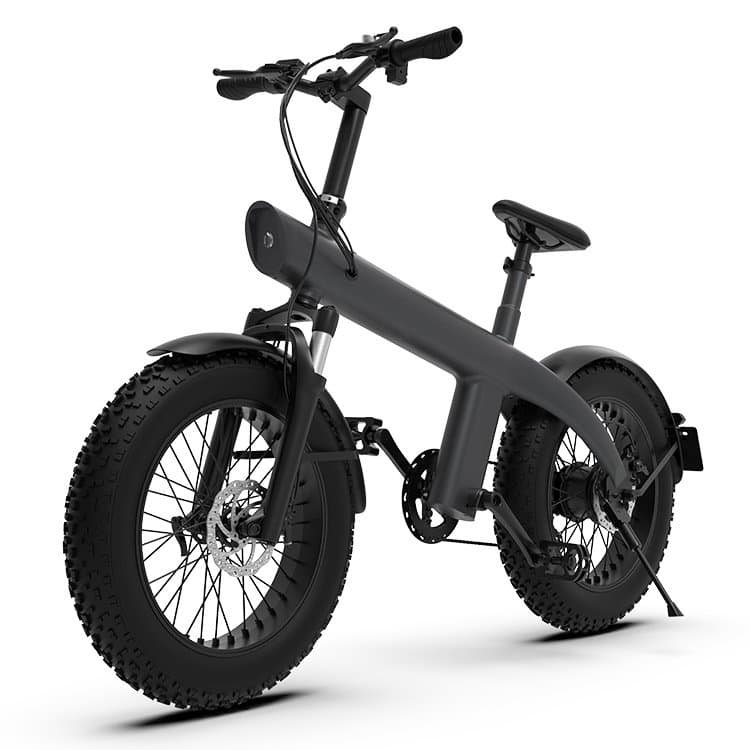
In-stock e-bikes that list a motor rating under 750 W and a top speed of 20 mph or less
Maker figures, checked September 2026. Real range and speed depend on rider weight, terrain, temperature and riding mode.
The Gyroor EB263 lists a 700 W motor and 20 mph, and the Gyroor C33 a 450 W motor and 18.6 mph, with UL 2849 for the bike and UL 2271 for the battery, per Gyroor.
When a bike stops being an e-bike
Public Act 25-159 spells out what is not an e-bike. Per the Division of Public Defender Services summary, a vehicle with an electric motor is not an e-bike under the law if:
it does not meet the e-bike definition as sold or offered for sale; or
it has a throttle and can go faster than 20 mph on motor power alone in any mode with the throttle engaged; or
it has been set up or modified, or is designed or sold to be set up or modified, so it no longer meets the definition, whether by a switch or button, a software change, a mobile app or any other means.
CTDOT’s guide adds that, under the new law, e-bikes without pedals and with motors of 750 watts and above are classed as motor-driven cycles and require a driver’s license. In short: keep the bike as the maker sold it, and never unlock speed limits or change the controller. For faults, power off, follow the maker’s manual and see our warranty page.
Helmets
CTDOT says that, unlike bicycle riders, all e-bike riders are required to wear helmets. The Division of Public Defender Services summary repeats it.
CTDOT says the operating rules for bicycles generally apply to e-bikes. From its guide:
Like bicycles, e-bikes must have and show lights and reflectors at certain times and in certain conditions.
When riding slower than traffic, keep as far right as is safe, except when passing, turning left or avoiding hazards.
On a sidewalk or crosswalk, yield to every pedestrian and give an audible signal when passing.
Towns may regulate e-bikes, and some local ordinances ban riding on sidewalks or certain trails.
Trails depend on the class. CTDOT’s guide lists:
Class 1: allowed on surfaced trails and natural trails, unless a local ordinance restricts it.
Class 2: allowed on surfaced trails unless a local ordinance restricts it; not on natural trails unless a local ordinance permits it.
Class 3: not allowed on surfaced or natural trails.
Connecticut electric scooter laws
Public Act 25-159 replaced the old “electric foot scooter” with a new “electric scooter” definition from October 1, 2025. Per the Division of Public Defender Services summary, an electric scooter now:
weighs not more than 100 pounds (up from 75);
has two or three wheels, handlebars and a floorboard you can stand on;
is designed to be ridden upright or seated;
is powered by an electric motor and human power;
has a top speed of not more than 20 mph on a paved level surface, with or without human power.
E-bikes and one-wheeled vehicles are excluded. The summary says the change treats certain low-powered, seated scooters the same way as stand-up ones, and the law now keeps electric scooters out of both the motor-driven cycle and motorcycle definitions.
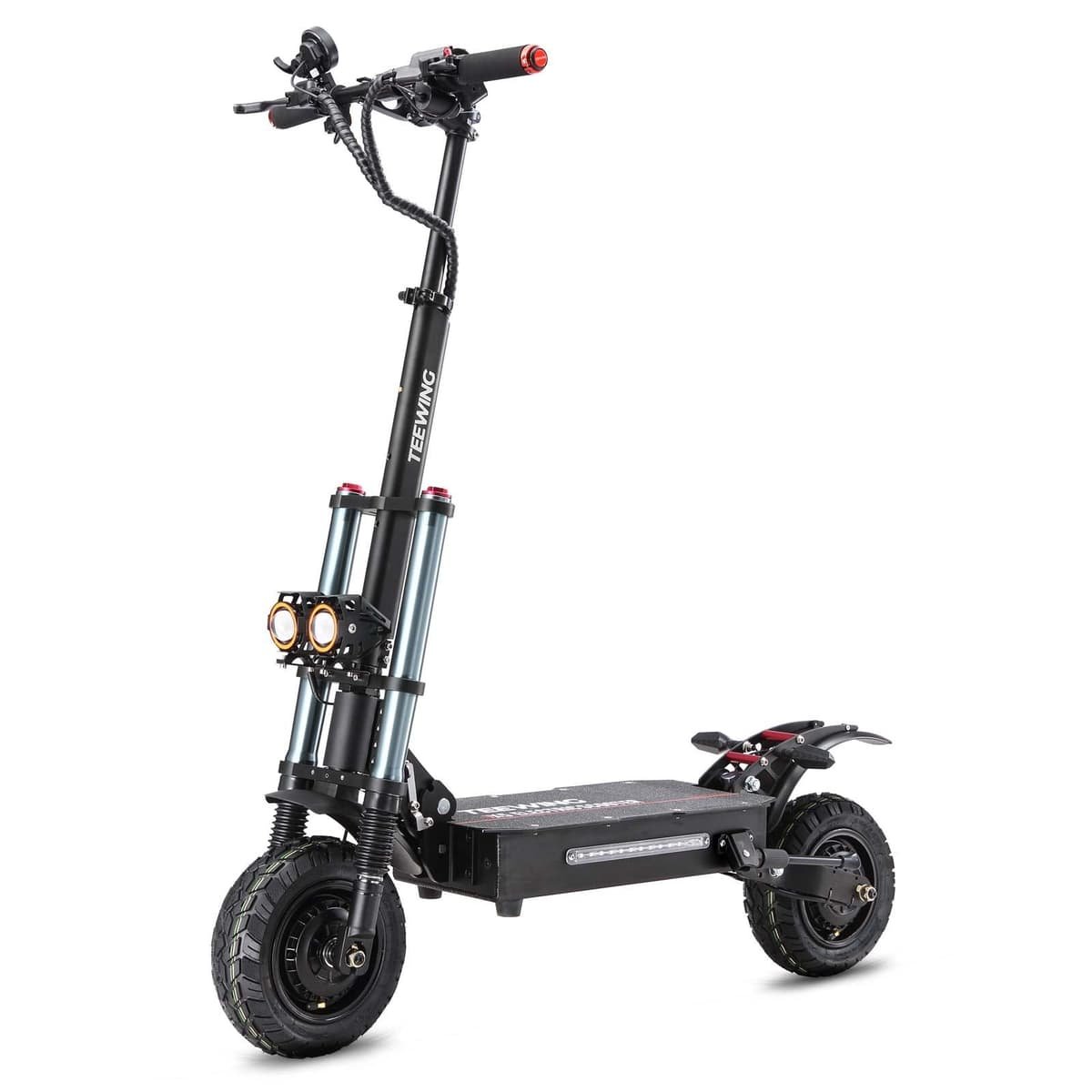
In-stock electric scooters with a maker top speed of 20 mph or less, each well under 100 lb
Maker figures, checked September 2026. Real range and speed depend on rider weight, terrain, temperature and riding mode.
The Gyroor C1S is a seated model with an 18.6 mph top speed, the kind of scooter the new definition now covers. The state sources we used do not set out age, helmet or road rules for electric scooters, so ask the DMV and your town before you ride one. See every model in our electric scooters collection.
Motor-driven cycles and faster rides
A motor-driven cycle sits between an e-bike and a motorcycle. Per the Public Act 25-159 summary, it now covers a motorcycle, motor scooter or bicycle with an attached motor, with a seat at least 26 inches high and a gas, electric or hybrid motor under 50cc, of 3,700 watts or less, or producing five brake horsepower or less. It also takes in one-wheeled vehicles you stand on or ride with foot rests.
License: the Connecticut DMV says the rider needs a valid driver’s license. The summary adds that no motorcycle endorsement is needed.
Registration: motor-driven cycles do not need to be registered, per both sources.
Helmets: the DMV says riders aged 16 or 17 must wear one.
Where: the DMV says they may not be ridden on sidewalks, limited access highways or turnpikes.
Above those limits, a street vehicle is generally a motorcycle, which needs registration and a motorcycle endorsement. Our electric dirt bikes are a separate case: every bike on our electric dirt bikes page is for off-road use only, on private land or at a riding park. See street legal electric dirt bikes for what road use takes.
A quick checklist for Connecticut riders
An e-bike with pedals, a motor under 750 W and a class, kept as the maker sold it.
A helmet on every e-bike ride, whatever your age.
Class 3 on roads, not trails; class 1 and 2 on trails only where allowed.
An electric scooter under 100 lb that tops out at 20 mph, with local rules checked first.
A driver’s license if your ride counts as a motor-driven cycle.
This is general information, not legal advice. It reflects the CTDOT, Division of Public Defender Services and DMV sources named above as of November 2026. Check the Connecticut DMV and your town’s current rules before you ride.
Yes. CTDOT says all e-bike riders are required to wear helmets, unlike regular bicycle riders, and the state’s summary of Public Act 25-159 repeats it.
Can I ride a class 3 e-bike on trails in Connecticut?
No. CTDOT’s e-bike guide lists class 3 e-bikes as not allowed on surfaced or natural trails. Class 1 and class 2 have trail access unless local rules say otherwise.
What changed for e-bikes in Connecticut in 2025?
Public Act 25-159, mostly effective October 1, 2025, said what is not an e-bike, such as a throttle bike that can pass 20 mph on the motor or one modified to escape the definition. Bikes without pedals or with 750 W or more became motor-driven cycles.
What counts as an electric scooter in Connecticut?
Since October 1, 2025, a device of up to 100 lb with two or three wheels, handlebars and a floorboard, ridden standing or seated, powered by an electric motor and human power, with a top speed of 20 mph or less.
Do I need a license for a motor-driven cycle in Connecticut?
Yes. The Connecticut DMV says a motor-driven cycle rider needs a valid driver’s license. It does not need to be registered, and riders aged 16 or 17 must wear a helmet.
Pennsylvania treats a small e-bike like a bicycle, but its Vehicle Code has no category for electric scooters. Here is what PennDOT and DCNR say about e-bikes, scooters, mopeds and motor-driven cycles.
New York State sets the definitions, ages, speeds and road rules for electric scooters and e-bikes, and lets towns add their own. Here is what the Vehicle and Traffic Law and the NY DMV say, outside and inside the city.
Lithium-ion batteries power every e-bike and electric scooter. Here is what the FDNY and the US Consumer Product Safety Commission say about buying, charging, storing and recycling them, and what to do if one fails.
Nov 1, 20268 min read
Ready to look at models?
Shop the rides
30+ brands and 200+ models, with free shipping to the 48 contiguous states. Stuck between two? Our AI assistant answers calls and texts any time at (240) 916-2471.