Electric scooter maintenance checklist: tires, brakes and bolts
An electric scooter has very few parts that need attention. The ones that do are the ones that keep you upright and let you stop.
Pay in 4 at 0% APRLearn more
Order by 2 PM ET · ships in 1–2 business days
14-day returnsSee the policy
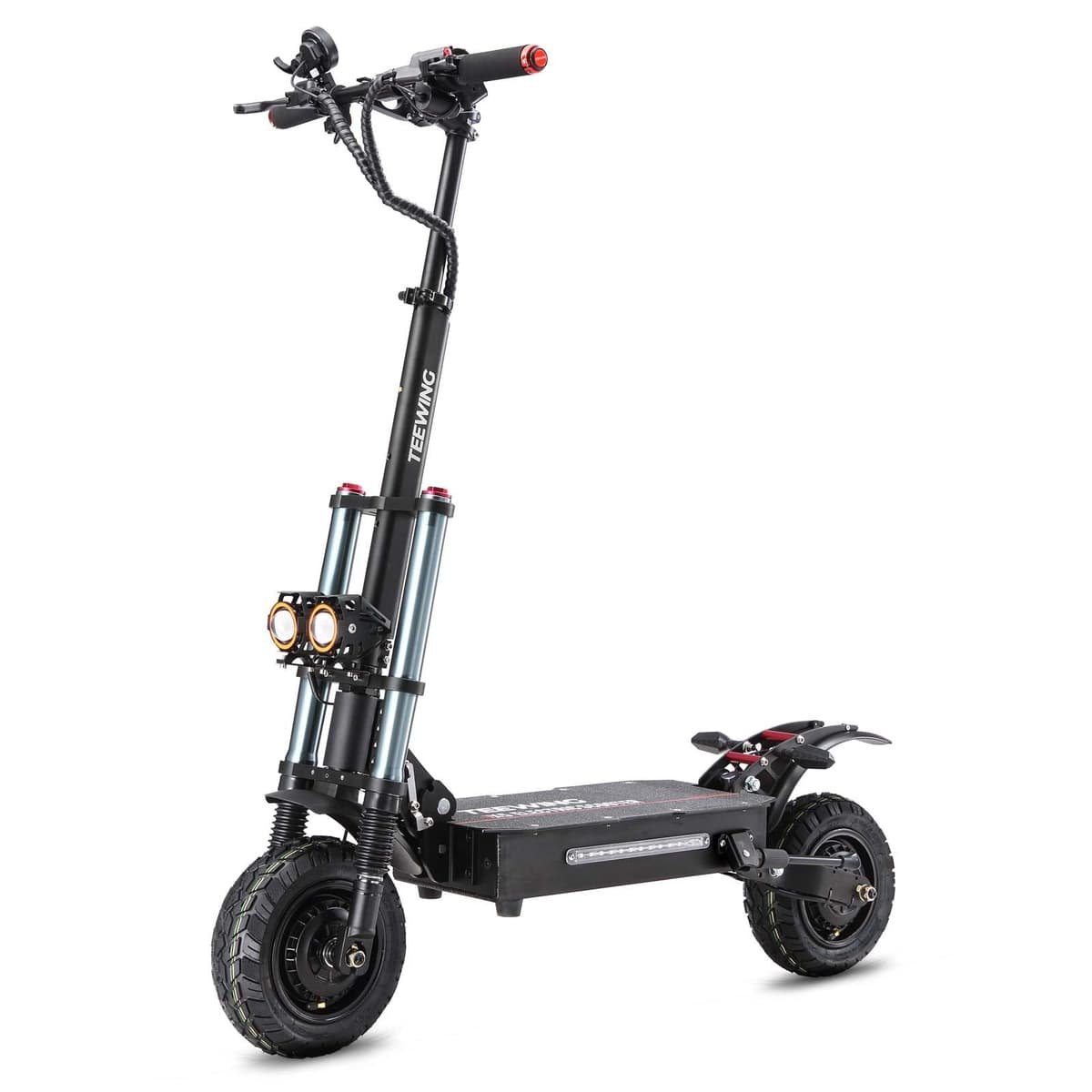
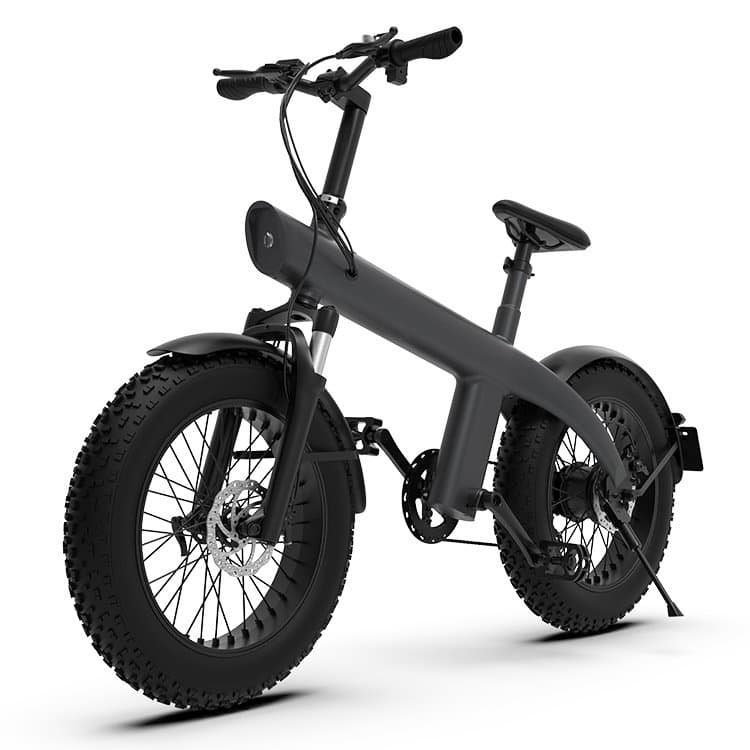
The battery is the most expensive part of any electric scooter. A few simple habits decide whether it lasts two years or five.
The short answer
Use the charger that came with your electric scooter, charge at room temperature, and do not leave the battery empty or sitting at 100% for weeks. For storage, leave it around half charged in a dry place above freezing and top it up every month or two. Stop using any battery that swells, smells, leaks or gets unusually hot.
A lithium-ion battery ages from stress, not just from use. Every full charge cycle takes a little capacity away, and that is normal. Three things speed it up: high temperature, being run completely flat, and sitting at full charge for a long time.
Most makers rate their packs for several hundred full cycles before capacity drops noticeably. A cycle means 100% of the capacity used, so two rides that each use half the battery add up to one cycle. Treated well, a pack can serve a daily commuter for years.
Do you need to stop at 80%? Partial charging is gentler on the cells, and if your daily trip only needs part of the battery it is a reasonable habit. It is not worth giving up range you need. Running the battery flat does far more harm than charging it to full.
The charger is matched to the battery. Voltage, current and connector all have to suit the pack. A charger that fits the port but has the wrong voltage can overcharge the cells, and that is how fires start.
If you lose or break the charger, buy the replacement from the maker of your electric scooter. Fast chargers are fine only when the maker sells or approves one for your model.
Treat charging as something you supervise. Battery fires are rare, but they move fast. These habits cost nothing:
Stop using the battery and contact the maker if you notice swelling, a hissing or popping sound, a chemical smell, leaking, or heat when the electric scooter is not in use. Our product safety and recalls page explains what to do and lists recalls for brands we carry.
Half charged, dry and above freezing. That single sentence covers most of it.
Cold slows the chemistry inside the cells. On a freezing morning you may see noticeably less range than in summer, and the battery gauge can fall faster under hard acceleration. The capacity comes back when the battery warms up. It is not permanent damage.
Keep the electric scooter indoors overnight and you will start each ride with a warm pack. For more on what affects distance, see how far an electric scooter really goes.
| Model | Top speed (mph) | Range (miles) | Motor power (W) |
|---|---|---|---|
| KUKIRIN G4 | 43.5 | 43 | 2,000 |
| EMOVE Cruiser V2 | 44 | 62 | 1,000 |
| Nami Klima | 42 | 50 | 2,000 |
| Teewing X5 6000W | 55 | 75 | 6,000 |
Maker figures, checked September 2026. Real range and speed depend on rider weight, terrain, temperature and riding mode.
Expect gradual fade, and act on sudden change. A pack that gives you a little less range each year is aging normally. A pack that suddenly loses a large share of its range, shuts off under load while showing charge, or will not take a full charge needs attention.
Check your warranty terms first: the battery is normally covered for a set period, and our warranty page explains how a claim works. Replacement packs should come from the maker of the electric scooter. Take the old one to a battery recycling drop off point. It must never go in household trash.
It is better not to. The charger stops when the battery is full, but charging should happen while someone is awake and nearby.
Most makers rate their batteries for several hundred full charge cycles before capacity falls noticeably. With good habits that is usually several years of regular riding.
You can. Lithium-ion batteries have no memory effect, so short top ups do no harm. The thing to avoid is leaving the battery empty.
It depends on the water rating of your model. Read our guide to riding in rain and winter before you do.
An electric scooter has very few parts that need attention. The ones that do are the ones that keep you upright and let you stop.
Splitting the cost can make sense, as long as you know which plans are interest free, which are not, and what you will have paid at the end.
A second motor changes how an electric scooter climbs, grips and pulls away. It also adds weight and cost. Here is how to tell if you need one.
30+ brands and 200+ models, with free shipping to the 48 contiguous states. Stuck between two? Our AI assistant answers calls and texts any time at (240) 916-2471.