Financing an electric scooter: how Pay in 4 and monthly plans work
Splitting the cost can make sense, as long as you know which plans are interest free, which are not, and what you will have paid at the end.
Pay in 4 at 0% APRLearn more
Order by 2 PM ET · ships in 1–2 business days
14-day returnsSee the policy
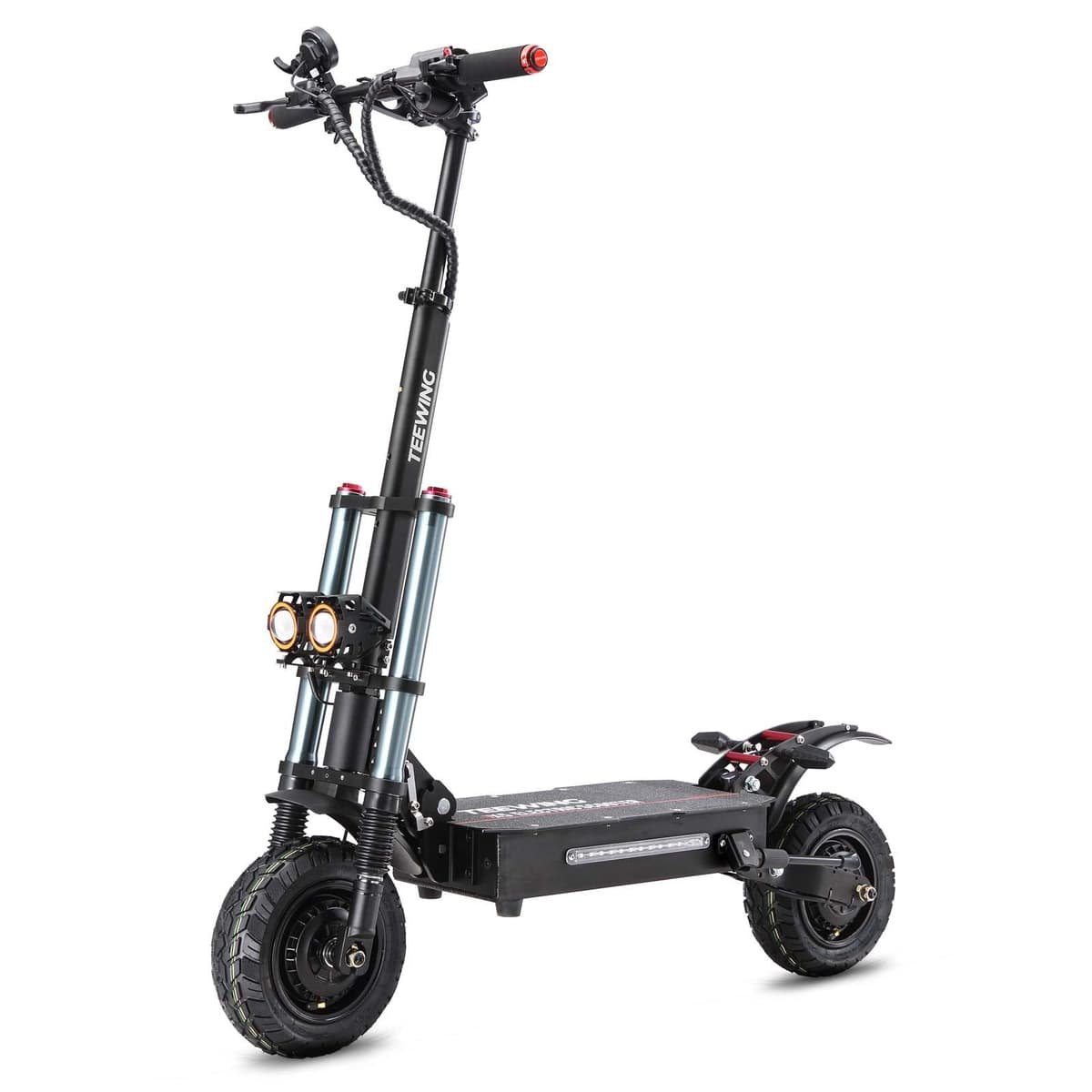
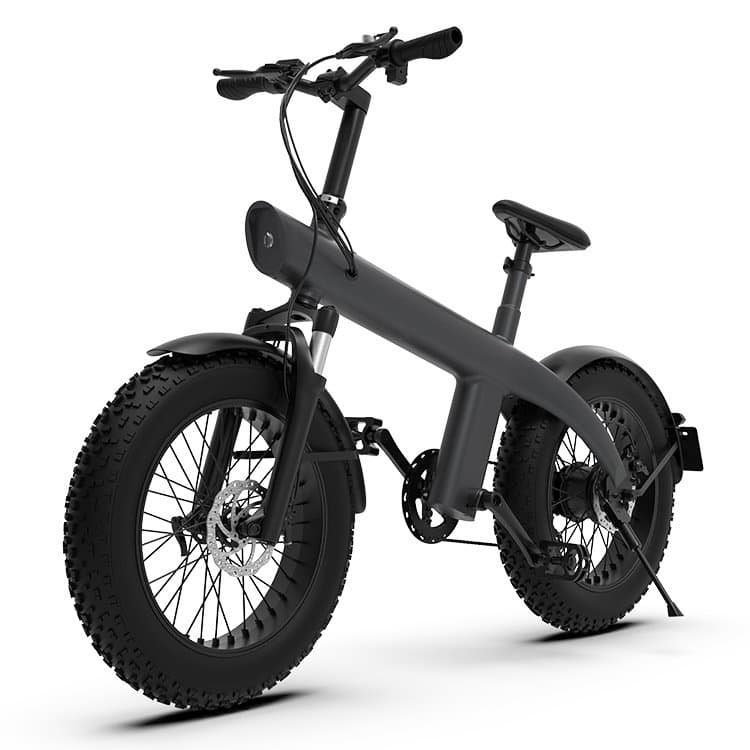
Commuter models top out near 15 to 20 mph. The fastest ones pass highway speeds. Here is what each step up actually feels like and what it demands.
The short answer
Most commuter electric scooters reach 15 to 20 mph. Mid range models reach 25 to 35 mph, performance models 40 to 55 mph, and a small group of flagship models go past 60 mph. Top speed depends on motor power, battery voltage, rider weight and terrain, and many places set a legal limit well below what the faster models can do.
| Model | Top speed (mph) | Range (miles) | Motor power (W) |
|---|---|---|---|
| Hiboy S2 SE | 19 | 17 | 430 |
| KUKIRIN G2 | 27 | 34 | 800 |
| KUKIRIN G4 | 43.5 | 43 | 2,000 |
| Teewing X5 6000W | 55 | 75 | 6,000 |
| Teverun Fighter Supreme 7260R V5 | 74 | 124 | 15,000 |
| NAMI Burn-E 4 Max | 61 | 62 | 8,400 |
Maker figures, checked September 2026. Real range and speed depend on rider weight, terrain, temperature and riding mode.
Voltage sets how fast the motor can spin, and watts set how hard it can push. A 36V commuter system and a 72V performance system are built for very different speeds. More power also holds speed on a hill or into a headwind.
Like range, top speed is a maker figure from favorable conditions. You may see a few mph less in normal use, and that is normal. A GPS app on your phone is a more reliable measure than the display on the handlebar, which often reads a little high.
Know your local limit before you choose a speed class. Many states and cities cap electric scooters at somewhere between 15 and 20 mph on public roads and bike lanes, and rules on sidewalks, helmets and minimum age vary widely. Faster models are often restricted to private land in the places with the strictest rules.
Rules change, so check your state motor vehicle agency and your city website for the current ones. We cover the questions to ask in electric scooter laws: what to check before you ride.
Stopping matters more than going. Braking distance grows much faster than speed. At 30 mph you need roughly four times the distance to stop that you need at 15 mph. Practice hard stops somewhere empty before you need one in traffic.
Match the speed to the roads you ride, then stop. If your route is bike lanes and 25 mph streets, a model that does 20 to 28 mph covers it. Extra speed costs money, adds weight and uses battery faster: riding flat out can cut your range sharply, as our range guide explains.
Performance models do have one advantage at sensible speeds. A motor running well below its limit climbs hills without slowing and stays cool doing it. If you are a heavier rider or live somewhere hilly, that headroom is worth having. See electric scooters for heavy adults.
You can sort every model by top speed in the electric scooter shop.
For most city commutes, 15 to 25 mph is plenty. It keeps pace with bicycle traffic and stays within the legal limit in many places.
Most models have a full speed mode in the display settings. Beyond that, modifying the controller or battery is unsafe, usually ends the warranty and may make the vehicle illegal on public roads.
Check the riding mode first, then tire pressure and battery level. Rider weight, hills, wind and cold all reduce top speed too.
They can be ridden safely by experienced riders with proper protective gear, good brakes and respect for the conditions. They are not a sensible first purchase.
Splitting the cost can make sense, as long as you know which plans are interest free, which are not, and what you will have paid at the end.
The weight limit on the spec sheet is where the search starts, not where it ends. Motor power, brakes, tires and deck size matter just as much.
The range on the product page is measured on a test course, not on your commute. Here is how to turn that number into one you can plan around.
30+ brands and 200+ models, with free shipping to the 48 contiguous states. Stuck between two? Our AI assistant answers calls and texts any time at (240) 916-2471.