Front vs full suspension electric bike: which one your roads need
A front fork handles most city riding. Full suspension pays off on broken pavement, gravel and trails, at the cost of weight and upkeep. Here is how to choose.
Extra 10% off select rides with code RIDE10Ends Nov 1
On select Wilson's, DriveTron, Punk and JOYOR ridesOne code per order
Pay in 4 at 0% APRLearn more
Order by 2 PM ET · ships in 1–2 business days
14-day returnsSee the policy
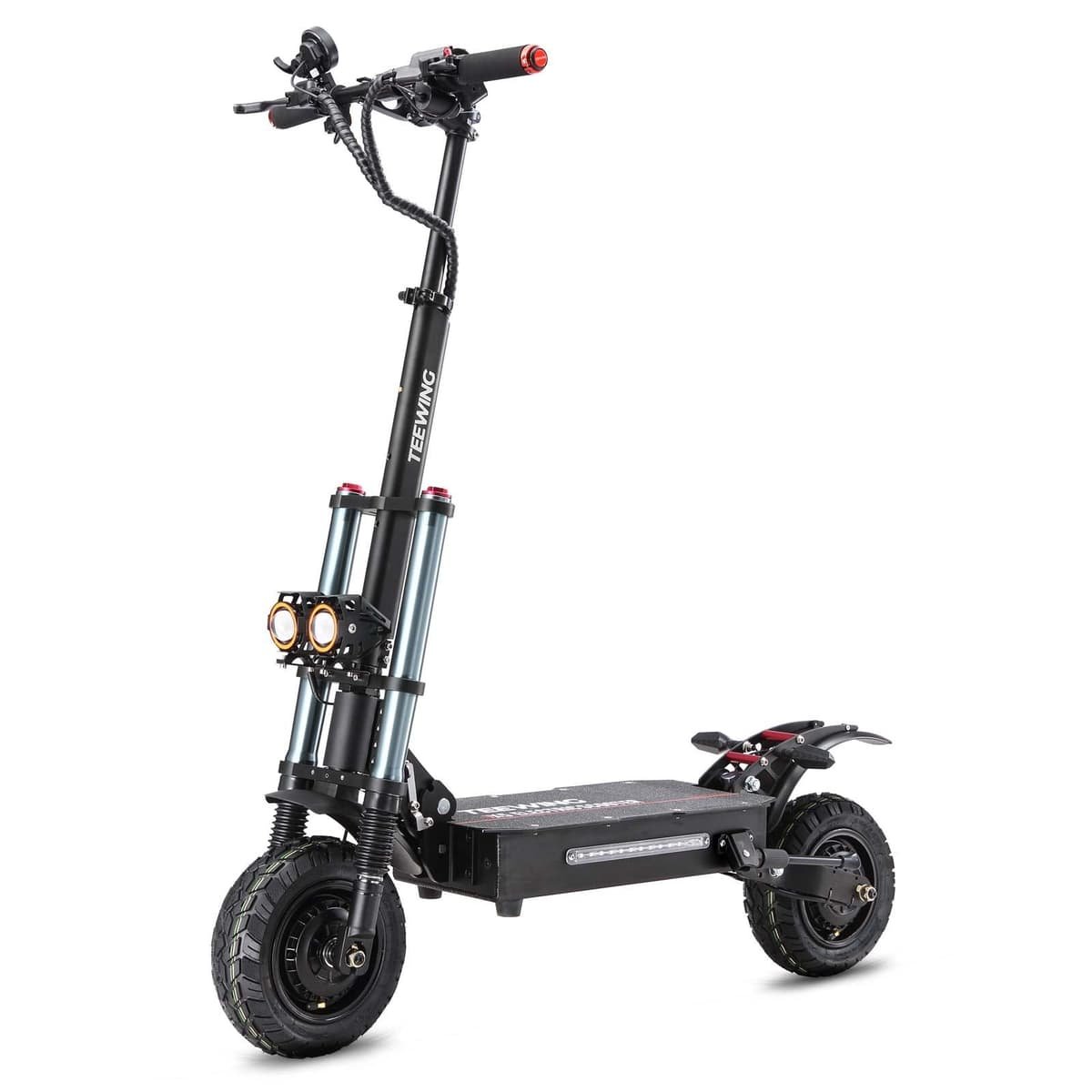
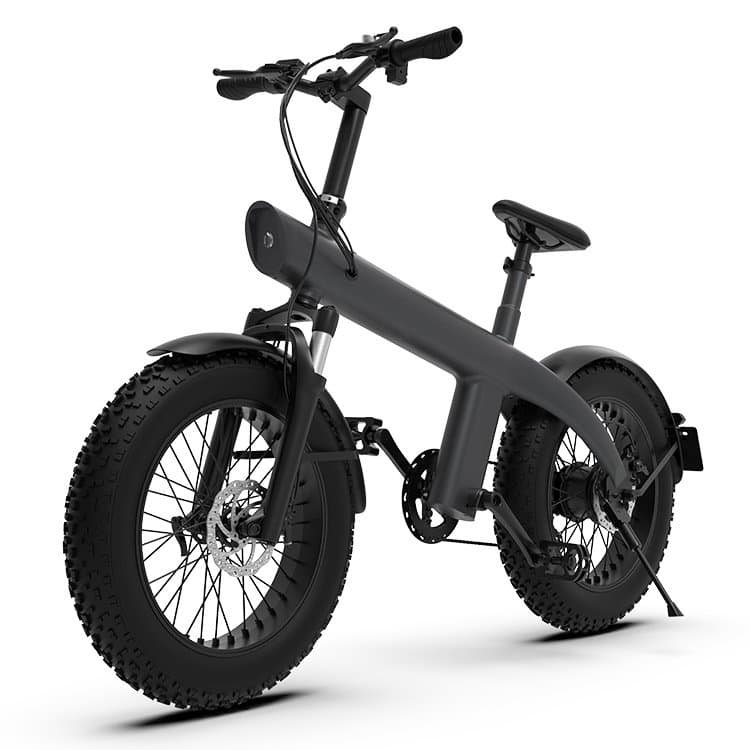
A 52V battery gives a little more punch than a 48V one at the same current, but range comes from watt hours, the speed cap stays the same and the whole system has to match.
The short answer
In a 48V vs 52V electric bike battery comparison, the 52V pack runs about 8% higher voltage, so the same motor and controller can deliver a little more power, hold it better as the battery drains and pull slightly harder on hills. It does not decide range: watt hours do. The 52V 20Ah battery on the Dodge Electric Bicycle works out to about 1,040 Wh, against 960 Wh for the 48V 20Ah pack on the Speedway Riders Q3. And the battery, controller, motor and charger are built as one system, so use only the voltage and charger the maker specifies.
Three numbers describe an electric bike battery. Voltage (V) is the electrical pressure. Amp hours (Ah) are how much charge the pack holds. Watt hours (Wh), volts multiplied by amp hours, are the total energy, and the fairest way to compare range.
Our guide to electric scooter battery voltage covers the theory from 36V to 72V. This guide looks at the choice most e-bike shoppers actually face: 48V or 52V.
48V is by far the most common voltage on the electric bikes we carry.
Power is volts times amps. A controller can only pass so much current before it, the wiring and the motor get hot. At the same current, a 52V pack delivers about 8% more power than a 48V pack. That shows up in three places:
The difference is real but modest. You notice it most on long climbs with a heavy rider, or late in a ride when a 48V bike has started to soften.
Higher voltage does not lift the speed limit. The class setting and the controller cap assisted speed. The 52V Dodge lists 20 mph on the throttle and 28 mph with pedal assist, the same as many 48V bikes, such as the Hiboy P6 and EX9 on class 3 settings.
The voltage on the label is the nominal, or average, voltage. A lithium-ion pack is built from cells in series, and its real voltage moves as it charges and drains.
This is why the charger must match the battery exactly. A charger built for a 52V pack pushes a 48V pack past its safe full voltage, and a 48V charger never fills a 52V pack. Use only the charger that came with the bike, or a replacement from the same maker.
A higher voltage battery is not automatically a longer range battery. Multiply volts by amp hours:
The ratings above show why: the Hiboy EX11 has the smallest pack of the four but the biggest range claim, because Hiboy tests with pedal assist and a torque sensor. Compare packs in Wh first, then read how each maker tested. Our electric bike range guide covers what drains a battery.
| Model | Top speed (mph) | Range (miles) | Motor power (W) |
|---|---|---|---|
| The Dodge Electric Bicycle | 28 | 74 | 1,000 |
| AOTOS FLUX X26 Pro Fat Tire Electric Bike | 28 | 70 | 2,000 |
| Speedway Riders Q3 750W Fat Tire Electric Bike | 28 | 45 | 750 |
| Hiboy EX11 Full Suspension Electric Bike | 20 | 100 | 880 |
| Segway Xafari Electric Bike | 20 | 88 | 750 |
| Segway Myon Electric Bike | 28 | 80 | 1,500 |
Maker figures, checked September 2026. Real range and speed depend on rider weight, terrain, temperature and riding mode.
The battery, controller, motor, display and charger are designed as one system. The controller is built for a voltage range, and a pack outside it can damage the controller, trip its protection or create a fire risk.
Look for a battery system tested to a recognized standard. The Hiboy EX6 and Phantom P14 list UL 2849, and the Riding’times GT33 lists a UL 2849 battery. Our guide to UL 2272 and UL 2849 explains what those listings cover.
Care matters as much as voltage. Our electric bike battery care guide covers charging and storage. Voltage is only half of the power story; our sibling guide to 500 W vs 750 W electric bikes covers the motor. Browse every model in the electric bike shop. Pay in 4 at 0% APR covers models priced $2,000 or less; above that, choose a monthly plan with Affirm, subject to approval.
It gives a little more power at the same current and fades less as it drains, which helps on hills. It does not give more range by itself: compare watt hours for that.
No. The controller, display and charger are built for one voltage. Use only the battery the maker specifies, and have any battery or controller work done by a qualified technician.
Not past its speed setting. The class setting and controller cap assisted speed. The 52V Dodge lists 28 mph with pedal assist, the same as many 48V bikes on class 3 settings.
No. A 52V charger pushes a 48V pack past its safe full voltage of 54.6V. Use only the maker’s charger for your bike.
About 960 Wh: 48 volts multiplied by 20 amp hours. The Speedway Riders Q3 lists exactly that pack.
A front fork handles most city riding. Full suspension pays off on broken pavement, gravel and trails, at the cost of weight and upkeep. Here is how to choose.
A 750 W motor pulls harder up hills and away from lights than a 500 W motor, but it does not raise the speed limit, and torque often tells you more than watts.
The deck is where you stand for every mile. Its length, width and height decide how steady the scooter feels, how easily you step on and what it clears.
30+ brands and 200+ models, with free shipping to the 48 contiguous states. Stuck between two? Our AI assistant answers calls and texts any time at (240) 916-2471.