Single vs dual motor electric scooter: which one do you need?
A second motor changes how an electric scooter climbs, grips and pulls away. It also adds weight and cost. Here is how to tell if you need one.
Pay in 4 at 0% APRLearn more
Order by 2 PM ET · ships in 1–2 business days
14-day returnsSee the policy
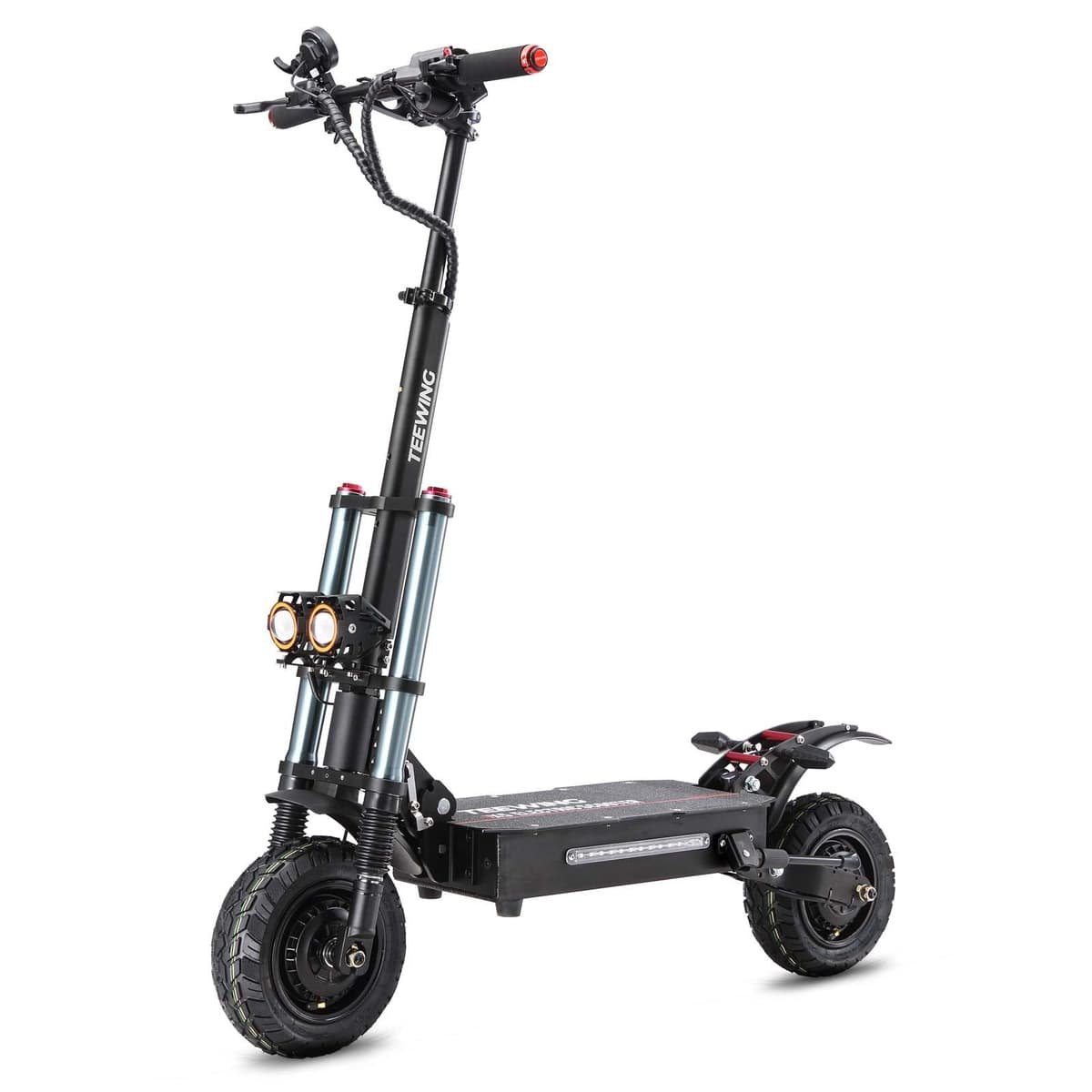
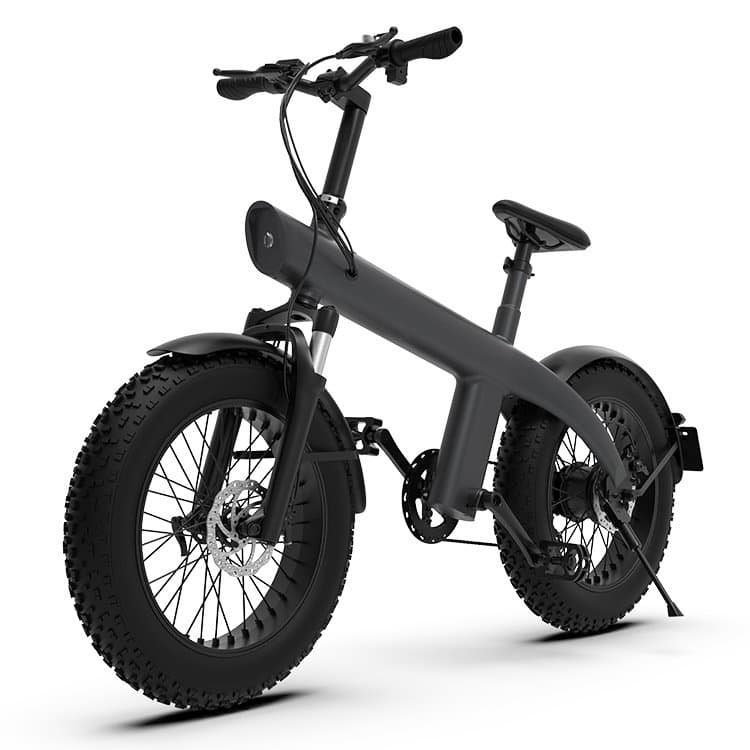
One folds and goes under a desk. The other carries groceries and eats long miles. Here is how to tell which one your trip actually needs.
The short answer
Choose an electric scooter if your trip is short to medium, you need to carry the vehicle indoors or onto a train, and storage space is tight. Choose an electric bike if you ride longer distances, carry bags or a child seat, want to pedal for exercise, or ride on rough roads where bigger wheels help.
Write down the trip you will make most often. How many miles is it, door to door? Are there stairs, a train, an elevator, or an office that will not let you park in the hallway? Those answers decide more than any spec sheet.
A three mile ride to a train station and a flight of stairs at each end points to an electric scooter. A twelve mile ride on open roads with a laptop bag and a change of clothes points to an electric bike. Most people sit somewhere between, and the sections below help you weigh it.
This is where the electric scooter pulls ahead. A commuter electric scooter folds at the stem and stands in a corner, under a desk, or in a trunk. Many weigh between 30 and 60 pounds, which most adults can lift for a short flight of stairs.
An electric bike needs a bike rack, a garage, or a hallway you are allowed to use. Most weigh 50 to 80 pounds and do not fold, so carrying one up stairs every day gets old quickly. If you live in a walk-up apartment, be honest with yourself about this before anything else.
Check the listed weight, not the photo. Powerful dual motor electric scooters can weigh over 100 pounds. They fold, but you will not want to carry one.
For long rides, the electric bike is the easier machine to live with. You sit down, the wheels are 20 inches or larger, and bumps that would rattle a small scooter wheel pass almost unnoticed. If the battery runs low, you can still pedal home.
Electric scooters have closed much of the gap. Models with 10 inch air filled tires and suspension are comfortable for rides of 45 minutes or more, and long range models carry enough battery for a full day. Standing does tire your legs on long trips, and you cannot pedal a flat battery home.
| Model | Top speed (mph) | Range (miles) | Motor power (W) |
|---|---|---|---|
| KUKIRIN G2 | 27 | 34 | 800 |
| KUKIRIN G4 | 43.5 | 43 | 2,000 |
| Segway Xafari | 20 | 88 | 750 |
| Segway XYBER | 35 | 112 | 6,000 |
Maker figures, checked September 2026. Real range and speed depend on rider weight, terrain, temperature and riding mode.
If you carry more than a backpack, buy the electric bike. Racks, panniers, baskets and child seats all bolt onto a bike frame. Groceries, a gym bag and a laptop can ride on the bike instead of on your back.
On an electric scooter, what you carry goes on your shoulders. A backpack works well. A bag hanging from the handlebar changes the steering and is not a good idea.
Look up both sets of rules, because they are rarely the same. Most US states sort electric bikes into three classes based on top assisted speed and whether there is a throttle, and a Class 1 or Class 2 electric bike is usually allowed wherever a regular bicycle is.
Electric scooter rules differ much more from one city to the next. Speed limits, sidewalk rules, helmet rules and minimum ages all vary, and some places restrict where a faster electric scooter can go. Check your state motor vehicle agency and your city rules before you buy a fast model of either kind.
Both cost very little to run. Charging either one costs a few cents per ride. The difference is in the wear parts.
Whichever you choose, the battery is the expensive part. Our battery care guide applies to both.
Still undecided? Our guide to choosing an electric scooter walks through range, rider weight and motors in more detail. Every order ships free to the lower 48 states, and you can split the cost with Pay in 4 or a monthly plan.
Entry level electric scooters generally cost less than entry level electric bikes. At the top of each range the prices overlap. Running costs are low for both.
Larger wheels handle potholes and cracks better, which favors the electric bike. On either one, a helmet, working lights and riding within the speed you can stop from matter more than the type of vehicle.
Many transit systems allow a folded electric scooter, and some restrict them. Rules differ by operator, so check with yours before you rely on it.
Yes, if you want it. Pedal assist adds power to your own pedaling, and you can lower the assist level to work harder.
A second motor changes how an electric scooter climbs, grips and pulls away. It also adds weight and cost. Here is how to tell if you need one.
Splitting the cost can make sense, as long as you know which plans are interest free, which are not, and what you will have paid at the end.
An electric scooter has very few parts that need attention. The ones that do are the ones that keep you upright and let you stop.
30+ brands and 200+ models, with free shipping to the 48 contiguous states. Stuck between two? Our AI assistant answers calls and texts any time at (240) 916-2471.