Electric scooter commute cost: electricity per mile, upkeep and how it compares
Electricity is the smallest line on the bill. Here is how to add up what a scooter commute really costs, and how to compare it fairly with fares, rides and driving.
Published Oct 8, 20266 min read
COST
The short answer
Your electric scooter commute cost has three parts: electricity, upkeep and the scooter itself. Electricity is tiny: at an example rate of 20 cents per kWh, a scooter using about 21 Wh per mile costs under half a cent per mile, so a 10-mile round trip every working day comes to about a dollar a month. Upkeep covers tires, brake pads and, in time, the battery. The scooter’s own cost, spread over the months you ride it, is the biggest part. Compare the total with your own fares or driving costs to see when it pays for itself.
Add three things: electricity, upkeep and the scooter’s cost spread over its life.
At an example rate of 20 cents per kWh, electricity for a 210-mile month costs about a dollar.
Tires, tubes and brake pads are the regular wear items. The battery is the big one, years away with good habits.
With example fares of $3 a ride, an example $800 scooter pays for itself in about 7 months of commuting.
The three parts of the cost
A fair monthly figure adds three things:
Electricity: the energy you put back in the battery.
Upkeep: the parts that wear, such as tires, tubes and brake pads, and in time the battery.
The scooter itself: its cost spread over the months you ride it, plus one-time gear such as a helmet and a lock.
Most people only think about the first, and it is the smallest by far.
Electricity cost per mile
Energy per mile is the number to find. A few makers publish it. E-TWOW lists 20.9 Wh per mile for the E-TWOW TankTorq TK2 Lite and 9.9 to 12.4 Wh per mile for the light E-TWOW Booster ES.
If your model does not list it, divide the battery’s watt hours by the miles you really get from a full charge. The maker’s range comes from a gentle test, so use your own miles once you have them. Our guide to electric scooter charging time and cost shows how to price a full charge. Here we turn that into a commute.
Step 1: convert to kilowatt hours. 20.9 Wh is 0.0209 kWh.
Step 2: add about 10% for energy the charger loses as heat, which gives about 0.023 kWh per mile.
Step 3: multiply by your rate. At an example rate of 20 cents per kWh (check your own bill), that is about 0.46 cents per mile.
A worked commute, with example numbers: 5 miles each way is 10 miles a day. Over 21 working days that is 210 miles, or about 97 cents of electricity a month on the TK2 Lite. On the Booster ES, at up to 12.4 Wh per mile, the same month costs less than 60 cents.
Faster riding, hills, cold weather and a heavier load all raise energy per mile. Even doubling it keeps electricity at about two dollars a month in this example.
Upkeep: the wear items
Upkeep costs more than electricity, and it depends on the scooter and your roads. Plan for these:
Tires and tubes. Air-filled tires wear and can puncture. Self-sealing tubeless tires, like the 10-inch tires on the Segway F3, cut down on flats. Solid tires never go flat, but they wear too.
Brakes. Disc brakes use pads that need replacing and adjusting. Drum brakes, like the front drum on the NAVEE G5 Max, need little attention, and electronic braking takes some of the load off both.
The battery. A lithium-ion battery slowly loses capacity over hundreds of charge cycles. Gentle charging and storage habits stretch its life, which is the biggest saving of all.
Small parts: grips, bolts, the folding latch and lights. Our electric scooter maintenance checklist has the schedule, and regular checks catch wear before it costs more.
For the comparisons below we use an example upkeep budget of $10 a month. Your real figure depends on your scooter, your roads and how far you ride. Faster, heavier scooters and rough streets wear parts sooner.
The scooter’s own cost, spread out
The purchase is the biggest number, so spread it over the time you will ride. An example: a scooter bought for $800 (an example figure, not a product price) and ridden to work for 36 months works out to about $22 a month. Add a helmet and a good lock once, at the start.
If you finance, add any interest. Pay in 4 at 0% APR adds nothing, while monthly payments with Affirm may carry interest. Our guide to financing an electric scooter shows how to read the total cost, and the financing page has the details.
Range belongs in the cost too. A scooter that covers your round trip with a margin means you never pay for a backup ride home on a flat battery.
How it compares with transit, rideshare and a car
These comparisons use round example numbers, not real fares or prices. Swap in your own.
Scooter, example month: about $1 of electricity plus the $10 example upkeep budget is about $11. Add about $22 for the example scooter spread over 36 months, for about $33 in total.
Transit, example fare of $3 a ride: two rides a day for 21 days is 42 rides, or $126 a month.
Rideshare, example of $15 a trip: the same 42 trips come to $630 a month.
A car: fuel, parking, tolls, insurance, upkeep and wear all count. Parking alone at an example $10 a day is $210 a month.
In this example, running the scooter costs about $11 a month instead of $126 in fares, a saving of about $115 a month. The $800 example scooter pays for itself in about 7 months. Against the rideshare example it takes under 2 months.
Be honest about the days you will not ride. Heavy rain, snow and very long days may still mean a fare or a ride, so count those days back in. A folding scooter can also cover the first and last mile of a train trip, cutting the rides you pay for rather than replacing them all.
Costs people forget
Theft is the expensive surprise. A good lock, and taking the scooter inside where you can, protects the saving.
Insurance: check whether your renters or homeowners policy covers the scooter, at home and away.
Charging at work: ask first. A scooter with enough range for the round trip avoids the question.
Gear wear: helmets need replacing after a crash, and gloves and lights wear out over time.
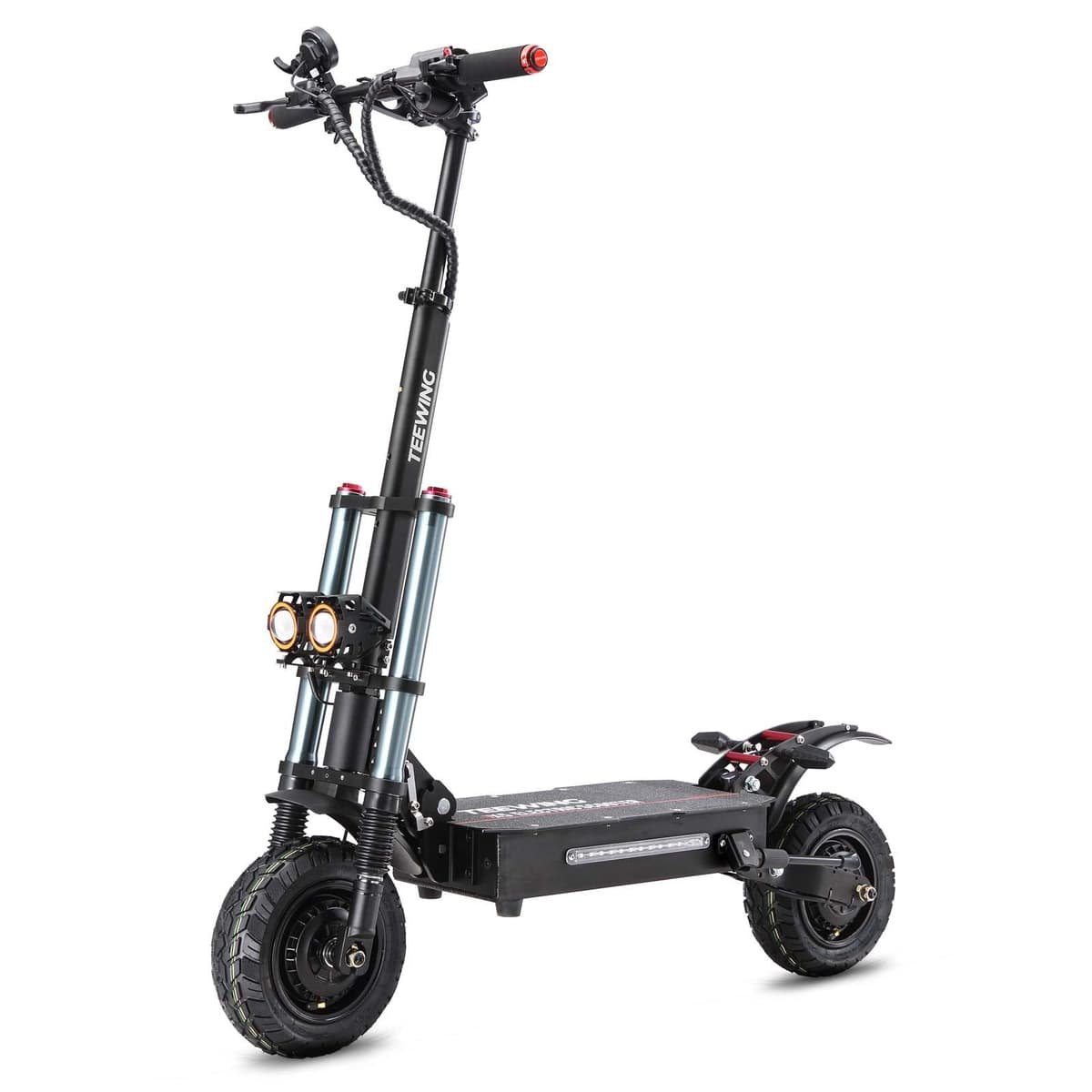
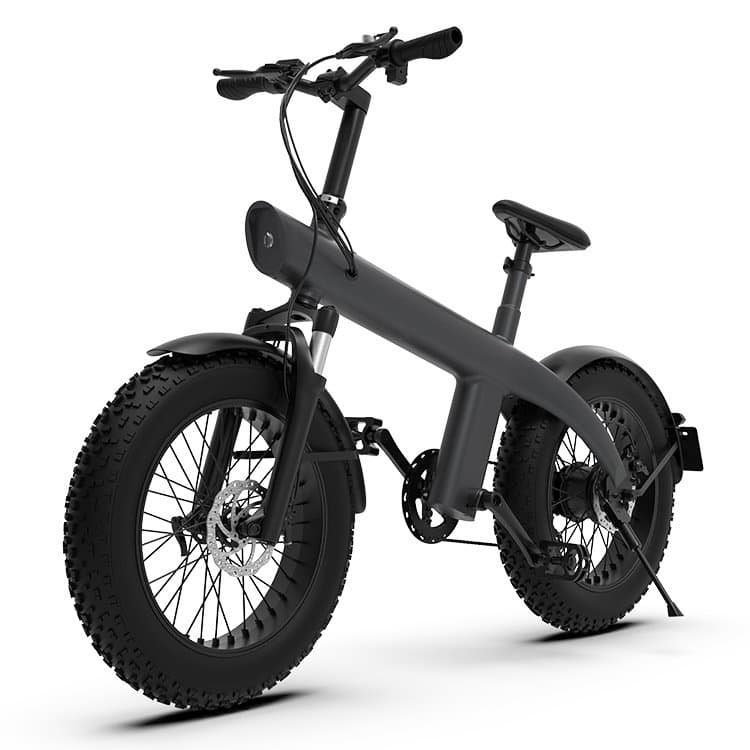
Commuter electric scooters in our catalog. Makers test range at their own speeds, so plan on fewer real miles.
How much does electricity cost for a scooter commute?
Very little. At an example rate of 20 cents per kWh and about 21 Wh per mile, a 10-mile round trip every working day uses about 97 cents of electricity over a 21-day month.
What upkeep does a commuter electric scooter need?
Tire pressure checks and tire or tube replacement, brake pads and adjustment, bolt and folding latch checks, and, after hundreds of charge cycles, a battery that holds less charge.
Is an electric scooter cheaper than public transit?
Often, once the scooter is paid off, because running costs are mostly upkeep. With example numbers of $3 a ride and an $800 scooter, it pays for itself in about 7 months. Your own fares and riding days decide the real answer.
Does financing change the math?
Pay in 4 at 0% APR adds no interest. Monthly payments with Affirm may carry interest, so add it to the scooter’s cost before you compare.
How do I find my scooter’s energy use per mile?
Use the maker’s figure if it lists one, such as 20.9 Wh per mile for the E-TWOW TankTorq TK2 Lite. Otherwise divide the battery’s watt hours by the miles you really get from a full charge.
Sag is the first setting that makes adjustable suspension work for your weight. Here is how to measure it with a tape and a friend, what preload, compression and rebound do, and where home setup should stop.
Tire pressure changes grip, comfort, range and flats more than any other quick adjustment. Here is how to find and set it, how to read a dirt bike tire size, and the sizes our bikes use.
A safe charging routine, the charge times each maker lists, why many quote 20% to 80%, how to match the charger, and what to do if a battery looks or smells wrong.
Oct 11, 20267 min read
Ready to look at models?
Shop the rides
30+ brands and 200+ models, with free shipping to the 48 contiguous states. Stuck between two? Our AI assistant answers calls and texts any time at (240) 916-2471.