California electric scooter laws and e-bike rules, in plain words
California sorts e-bikes into three classes and gives motorized scooters their own rules. Here is what the CHP and the DMV say, as of October 2026.
Pay in 4 at 0% APRLearn more
Order by 2 PM ET · ships in 1–2 business days
14-day returns on ridesSee the policy
Virginia defines e-bikes, motorized scooters and mopeds in Title 46.2 of its Code. Here is what the statutes say about classes, speeds, ages, helmets, sidewalks and where each one may ride.
The short answer
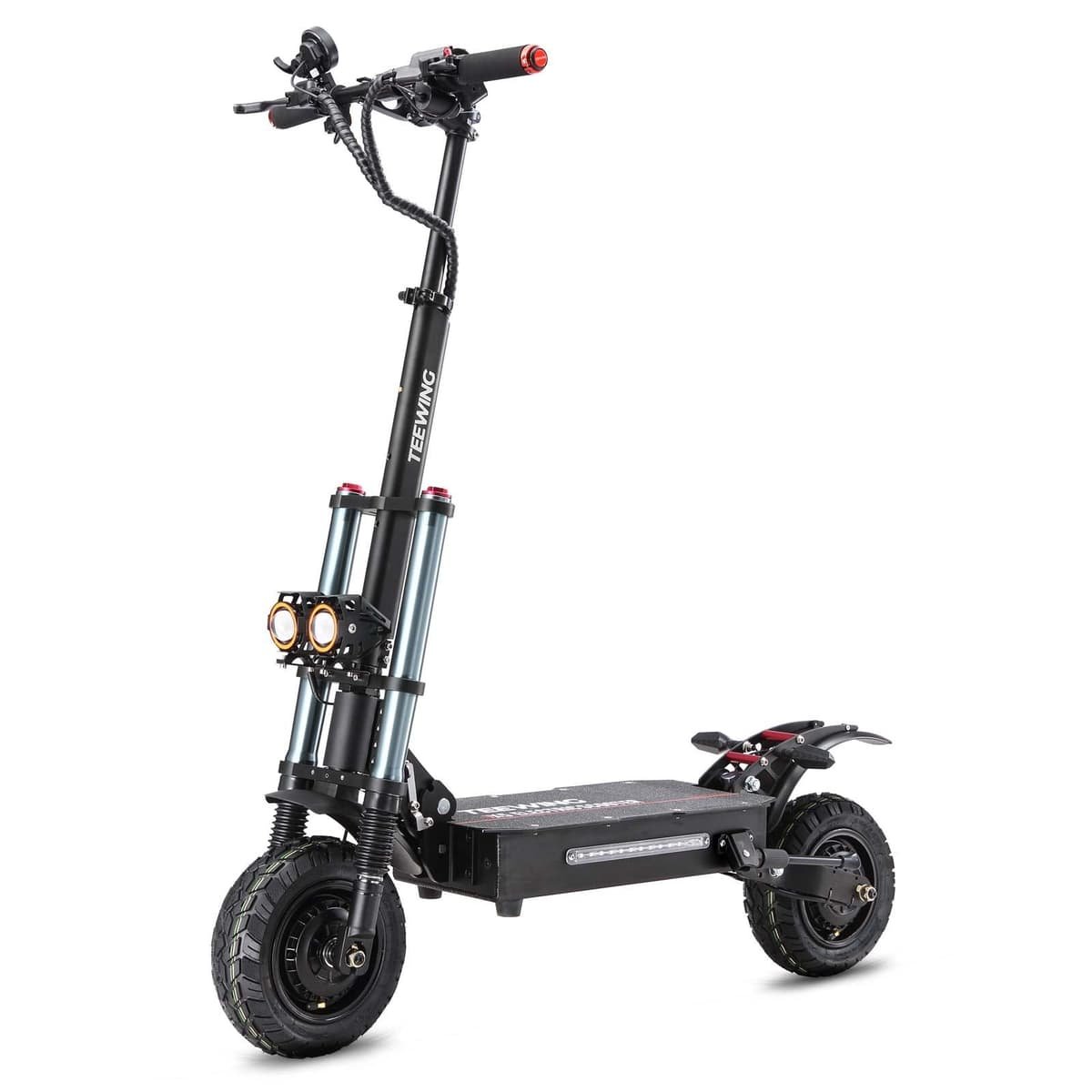
Virginia electric scooter laws come from Title 46.2 of the Code of Virginia. A motorized skateboard or scooter weighs less than 100 pounds, tops out at 20 mph on its motor, may be ridden sitting or standing, and may never be ridden faster than 20 mph. An e-bike (electric power-assisted bicycle) has pedals, a seat, no more than three wheels and a motor input of no more than 750 watts, in class 1, 2 or 3. E-bikes need no license, registration or insurance. Riders under 14 need an adult supervisor on a scooter or a class 3 e-bike, and class 3 riders must wear a helmet.
Every rule here comes from the Code of Virginia, read on the Virginia Legislative Information System’s official law site. We used Title 46.2 sections 46.2-100 (definitions), 46.2-904 (sidewalks and shared-use paths), 46.2-904.1 (electric power-assisted bicycles), 46.2-906.1 (local helmet ordinances), 46.2-908.1 (scooters and other devices), 46.2-914 (mopeds) and 46.2-915.2 (moped safety gear).
This is general information, not legal advice. Counties, cities and towns can add their own rules, and the Code changes. Check the Virginia DMV, the current Code of Virginia and your local government before you buy or ride.
Virginia calls it a “motorized skateboard or scooter.” Section 46.2-100 defines it as a vehicle, with any number of wheels, that:
The definition covers models with or without handlebars. E-bikes and self-balancing devices are separate categories.
Section 46.2-908.1 adds a hard cap: no one may ride a motorized skateboard or scooter faster than 20 mph, at any time or location. The same cap applies to a scooter that fits the definition but can go faster than 20 mph.
| Model | Top speed (mph) | Range (miles) | Motor power (W) |
|---|---|---|---|
| Segway F2 Electric Scooter | 18 | 25 | 350 |
| Segway E2 Pro Electric Scooter | 18.6 | 24.9 | 350 |
| Segway F3 Electric Scooter | 20 | 44 | 450 |
| NAVEE G5 Pro Electric Scooter | 20 | 34.2 | 400 |
| Gyroor C1S Electric Scooter with Seat for Adults | 18.6 | 20 | 550 |
Maker figures, checked November 2026. Real range and speed depend on rider weight, terrain, temperature and riding mode.
The Segway F2 lists an 18 mph top speed and a net weight of 37.9 lb. The Gyroor C1S is a seated model at 18.6 mph and 48.5 lb. See every model in our electric scooters collection, and read electric scooter laws: what to check before you buy anywhere.
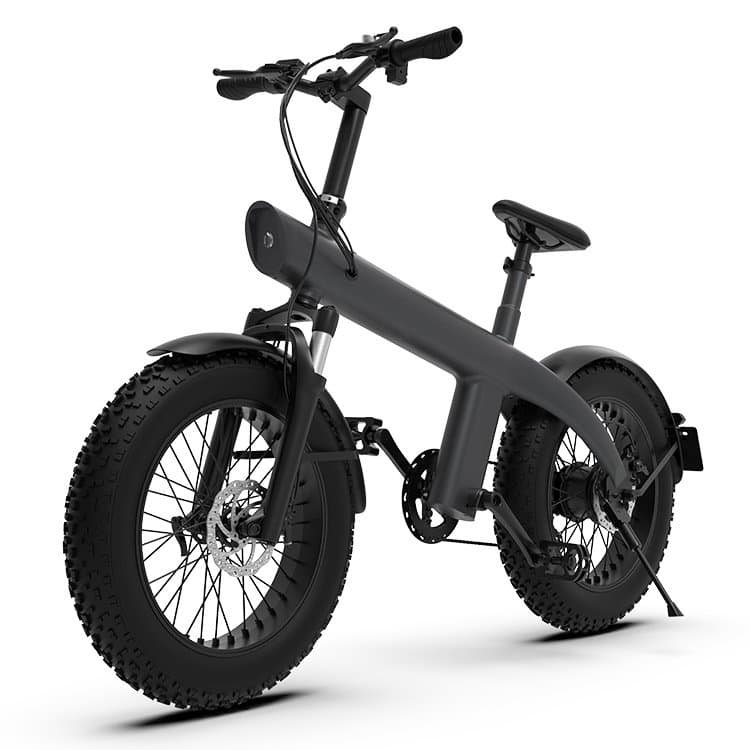
Section 46.2-100 defines an electric power-assisted bicycle as a vehicle on no more than three wheels with pedals, a seat, and an electric motor with an input of no more than 750 watts. It sorts them into three classes:
Our guide e-bike classes explained covers how the class system works across the US.
| Model | Top speed (mph) | Range (miles) | Motor power (W) |
|---|---|---|---|
| Gyroor EB262 Electric Bike | 20 | 50 | 550 |
| Gyroor EB263 Electric Bike | 20 | 50 | 550 |
| Gyroor C33 Folding Electric Bike | 18.6 | 28 | 450 |
| Hiboy C1 Folding Electric Bike | 20 | 26.2 | 648 |
| Segway Xafari Electric Bike | 20 | 88 | 750 |
Maker figures, checked November 2026. Real range and speed depend on rider weight, terrain, temperature and riding mode.
Section 46.2-904.1 sets the paperwork rules. E-bikes and their riders are exempt from the Code’s driver’s license, registration, title, insurance and license plate rules. Since January 1, 2021, makers and distributors must put a permanent label on each e-bike showing its class number, top assisted speed and motor wattage. Every class three bike also needs a speedometer that shows miles per hour.
No tampering. The same section says no one may change an e-bike’s motor-powered speed or how the motor engages unless the label is replaced to match. Keep the bike as the maker sold it, never unlock speed limits, and for faults power off, follow the maker’s manual and see our warranty page.
The Hiboy EX9 is a class 3 commuter with a 750 W rated motor, set to 20 mph by default and adjustable up to 28 mph on pedal assist, per Hiboy. Browse our electric bikes.
Section 46.2-908.1 says no one under 14 may ride a motorized skateboard or scooter or a class three e-bike unless under the immediate supervision of someone at least 18. The state sections we used set no separate minimum age for class one or class two e-bikes.
Our electric scooter helmets guide explains fit and safety marks, and the advice applies to e-bikes too.
E-bikes: section 46.2-904.1 lets e-bikes ride wherever bicycles may, including streets, highways, roads, shoulders, bike lanes and bicycle or shared-use paths, with these limits:
Sidewalks and shared-use paths: section 46.2-904 says riders of bicycles, e-bikes and motorized scooters on a sidewalk, shared-use path or crosswalk must yield to every pedestrian and give an audible signal before passing one. Riding there is barred where signs prohibit it, and localities may ban these devices on designated sidewalks or crosswalks.
Interstates: section 46.2-908.1 bars scooters, bicycles and e-bikes from any part of the Interstate Highway System, except barrier-separated bike or pedestrian paths the Commonwealth Transportation Board approves.
A ride that is too fast or too powerful for these definitions may be a moped. Section 46.2-100 defines a moped as a vehicle on no more than three wheels with a seat at least 24 inches high and a gas, electric or hybrid motor of 50cc or less or an input of 1,500 watts or less, that is not ridden faster than 35 mph. Ridden faster than 35 mph, it counts as a motorcycle.
Ask the Virginia DMV about title and registration before you buy a moped. Our electric dirt bikes are a separate case: every bike on our electric dirt bikes page is for off-road use only, on private land or at a riding park. See street legal electric dirt bikes for what road use takes.
This is general information, not legal advice. It reflects the Code of Virginia sections named above as of November 2026. Check the Virginia DMV and your city or county’s current rules before you ride.
Riding across the Potomac? Read our sibling guide to Maryland electric scooter laws, or compare every state in electric scooter laws by state. For license questions, see do you need a license for an electric scooter. Orders ship free to the lower 48 states, and you can split the cost with Pay in 4 at 0% APR or monthly payments with Affirm, subject to approval.
Yes, within limits. The Code of Virginia defines a motorized skateboard or scooter as under 100 lb with a top speed of 20 mph or less on the motor, and section 46.2-908.1 bars riding one faster than 20 mph. Riders under 14 need supervision by someone 18 or older.
No. Section 46.2-904.1 exempts electric power-assisted bicycles and their riders from the Code’s driver’s license, registration, title, insurance and license plate rules.
Section 46.2-908.1 says no one under 14 may ride a motorized skateboard or scooter, or a class three e-bike, unless under the immediate supervision of a person at least 18 years old.
On a class three e-bike, yes: every rider and passenger must wear a fitted, fastened helmet meeting CPSC or ASTM standards. For other classes, your county, city or town may require helmets for riders 14 and younger.
California sorts e-bikes into three classes and gives motorized scooters their own rules. Here is what the CHP and the DMV say, as of October 2026.
Connecticut rewrote its e-bike and scooter definitions on October 1, 2025. Here is what CTDOT and the state's official summary of Public Act 25-159 say about classes, helmets, trails, scooters and motor-driven cycles.
Sidewalk rules for electric scooters change from state to state and city to city, and many places ban riding there outright. Here is what New York's law and NYC DOT say, how to find your local rule, where to ride instead and how to share space with people on foot.
30+ brands and 200+ models, with free shipping to the 48 contiguous states. Stuck between two? Our AI assistant answers calls and texts any time at (240) 916-2471.