Teewing electric scooters compared: GT, X, Z4 Pro and Mars models
Teewing makes a 22 lb backpack scooter and a 72V Mars XTR, and plenty in between. Here is how the lineup is laid out and which model suits which rider.
Pay in 4 at 0% APRLearn more
Order by 2 PM ET · ships in 1–2 business days
14-day returnsSee the policy
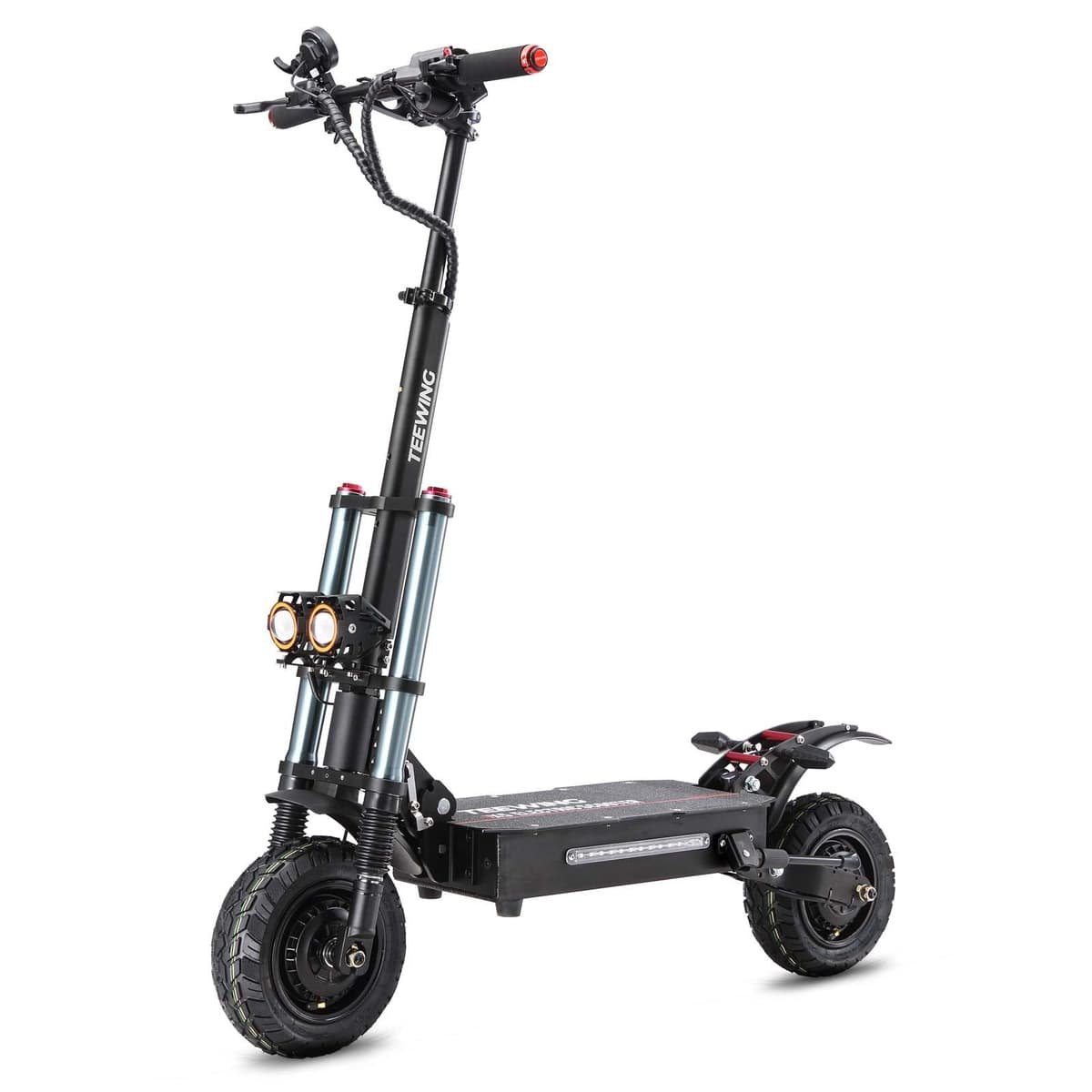
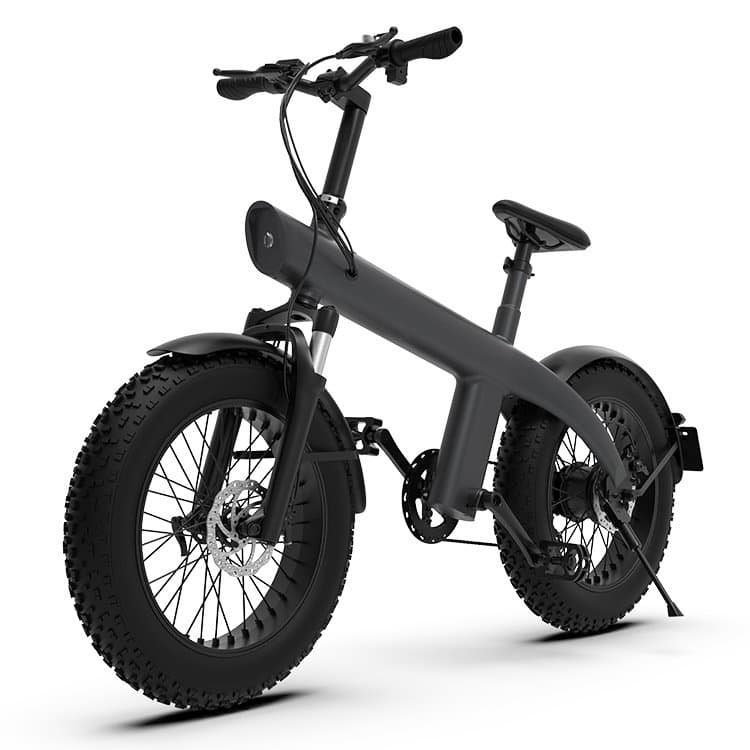
An electric bike is still a bike, but the motor changes how far you go, how you climb and what you carry. Here is how it compares with a regular bicycle.
The short answer
Electric bike vs regular bike comes down to effort, distance and weight. An electric bike adds motor power as you pedal, so hills, headwinds and long commutes take far less effort, and you arrive less tired. In the three US classes the motor helps up to 20 or 28 mph. A regular bike is lighter, simpler and cheaper to buy and maintain, and it needs no charging. Choose an electric bike for longer trips, hills, cargo or a sweat-free commute, and a regular bike for short rides, fitness and easy carrying. Many e-bikes can also be ridden with the motor off.
An electric bike is a bicycle with a motor, a battery and a controller added. You still steer, brake, shift gears and balance the same way. On pedal assist, you still pedal: the motor adds to your effort rather than replacing it.
Most e-bikes can also be ridden with no assist at all. Hiboy lists bike, power assisted and pure electric modes on the Hiboy EX9, Gyroor lists a pedal only mode on the Gyroor C33, and NANROBOT lists a manual mode on the NANROBOT Q3. With the motor off, the extra weight makes it feel like a heavy regular bike. Our sibling guide how do electric bikes work explains each part.
This is the biggest difference. On a regular bike, your legs supply every watt. On an electric bike, the motor shares the load, and you choose how much help you want with the assist level.
You still get exercise. On pedal assist you keep pedaling, and in a low assist level you work almost as hard as on a regular bike. Our guide to torque vs cadence sensors explains which type keeps the ride feeling most like a regular bicycle.
An electric bike makes higher speeds easy to hold. In the three US classes, the motor helps up to 20 mph (class 1 and class 2) or 28 mph (class 3). You can ride faster on your own legs, but the motor stops adding power past the limit.
Distance changes most. The e-bikes we carry list ranges from 20 miles on the Phantom P14 to 80 miles on the Segway MUXI and up to 100 miles with pedal assist on the Hiboy EX11. Those figures come from good conditions, so plan on fewer miles in cold, hills or wind. Read electric bike battery range for how to plan a route, and our sibling guide how fast do electric bikes go for each speed tier.
| Model | Top speed (mph) | Range (miles) | Motor power (W) |
|---|---|---|---|
| Phantom P14 Foldable Electric Bike | 15 | 20 | 350 |
| Gyroor C33 Folding Electric Bike | 18.6 | 28 | 450 |
| Hiboy C1 Folding Electric Bike | 20 | 26.2 | 648 |
| NANROBOT N1 20-Inch Electric Bike | 25 | 40 | 350 |
| Hiboy EX9 Urban Commuter Electric Bike | 20 | 62 | 750 |
| Segway MUXI Electric Bike | 23 | 80 | 750 |
Maker figures, checked September 2026. Real range and speed depend on rider weight, terrain, temperature and riding mode.
A regular bike wins on weight. The battery and motor add a lot. The lightest e-bikes in our catalog list 46.3 lb for the NANROBOT N1 and 46.6 lb for the Phantom P14, and the Gyroor C33 lists 50 lb. Commuter and cargo models go further: Hiboy lists 59.5 lb for the EX9, and Segway lists 72.75 lbs for the MUXI.
The motor makes heavy loads practical. Groceries, bags and child seats that would wear you out on a regular bike become an easy ride. Segway lists a 418 lbs total payload and a 121 lbs rear rack load for the MUXI and the Segway MUXI Pro. Always stay within the listed maximum load, which covers you and everything you carry. Our guide to cargo electric bikes goes further.
A regular bike costs less to buy and less to keep. An electric bike has everything a regular bike has, plus a battery, motor, controller and wiring.
Charging costs little compared with driving or transit. For prices by band, read how much does an electric bike cost, and keep up with the routine jobs in our electric bike maintenance checklist.
Regular bikes ride almost anywhere bicycles are allowed. E-bikes within the classes often do too, but not always. Some states add their own limits. The California DMV handbook, for example, keeps class 3 e-bikes off bicycle paths and trails unless the path is on or next to a road or local law allows it, and requires class 3 riders to be 16 or older and wear a helmet. New Jersey’s Motor Vehicle Commission, for example, lists requirements effective July 2026 that e-bikes be registered and riders hold an e-bike license or a driver license.
Our sibling guide do you need a license for an electric bike covers the details, and e-bike classes explained shows where each class may ride. In New York City, e-bikes have a 15 mph speed limit on city streets; see our NYC e-bike laws guide. This is general information, not legal advice, so check your state and city rules.
Browse every model in our electric bike shop. Every order ships free to the lower 48 states, and you can split the cost with Pay in 4 at 0% APR on models up to $2,000, or a monthly plan with Affirm, subject to approval.
Yes. On pedal assist you keep pedaling, and a low assist level means you do most of the work. You choose how much help you get.
Not harder, but heavier. It handles like a bicycle, with stronger brakes needed for the extra weight and speed. Start in a low assist level until you get used to it.
Many e-bikes can be pedaled with the motor off, and some list a bike or pedal only mode. It feels like a heavy regular bike. Check the maker’s manual before you ride with the battery removed.
A little more. Chains, brake pads and tires wear faster, and the battery needs care. Electrical faults go to a qualified technician.
Teewing makes a 22 lb backpack scooter and a 72V Mars XTR, and plenty in between. Here is how the lineup is laid out and which model suits which rider.
An electric bike and a moped can look alike and still sit under very different rules. Here is how they compare on speed, paperwork, weight and everyday use.
Every Miniwalker Tiger has a motor in each wheel. The 8 Pro is the light one, the 9 Pro the compact city racer and the 10 Pro+ the flagship with hydraulic brakes and a swappable battery.
30+ brands and 200+ models, with free shipping to the 48 contiguous states. Stuck between two? Our AI assistant answers calls and texts any time at (240) 916-2471.