Electric scooter with seat: who it suits and how to choose one
A seat turns an electric scooter into something you can ride for longer without tired legs. It also adds weight and changes how the ride feels. Here is how to choose.
Pay in 4 at 0% APRLearn more
Order by 2 PM ET · ships in 1–2 business days
14-day returnsSee the policy
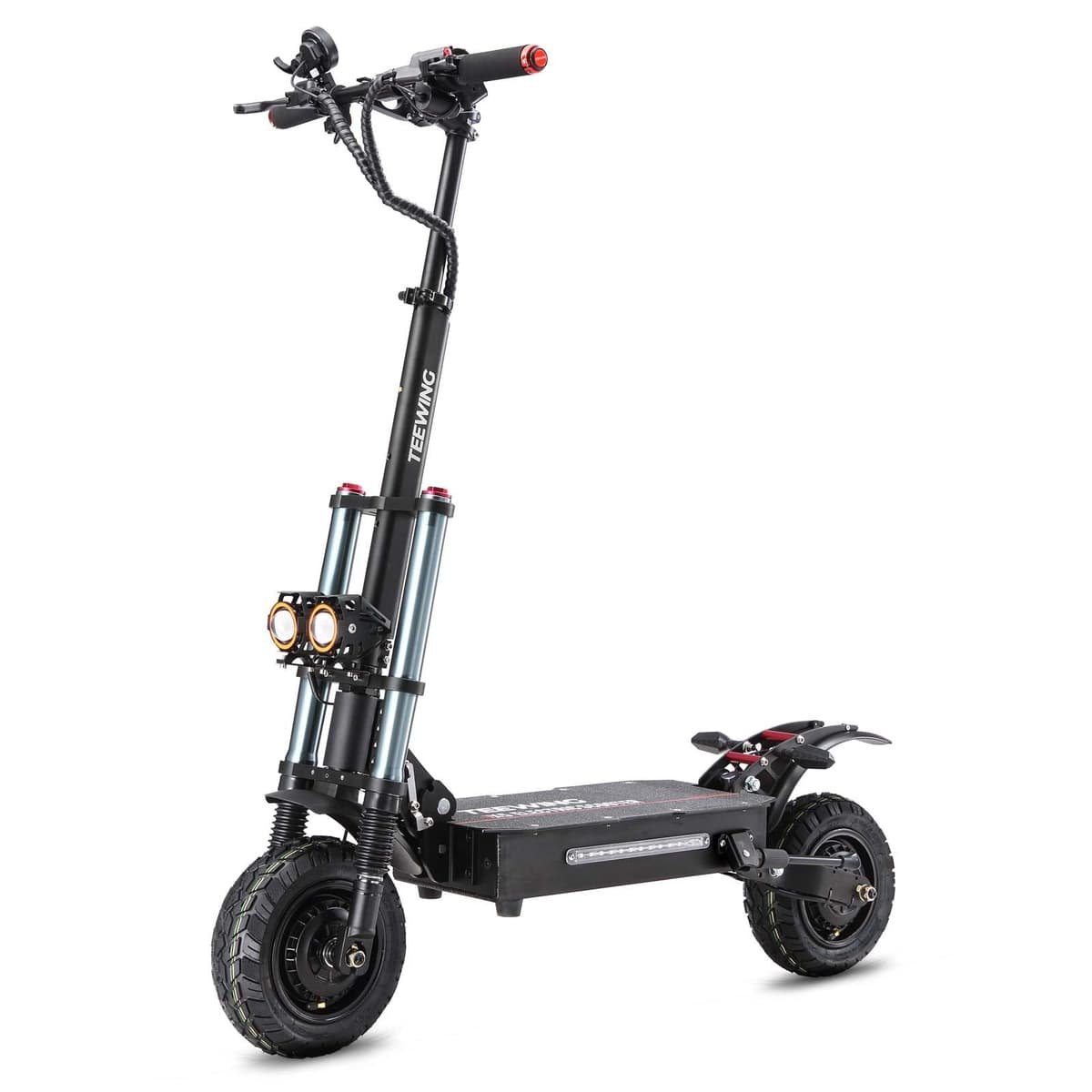
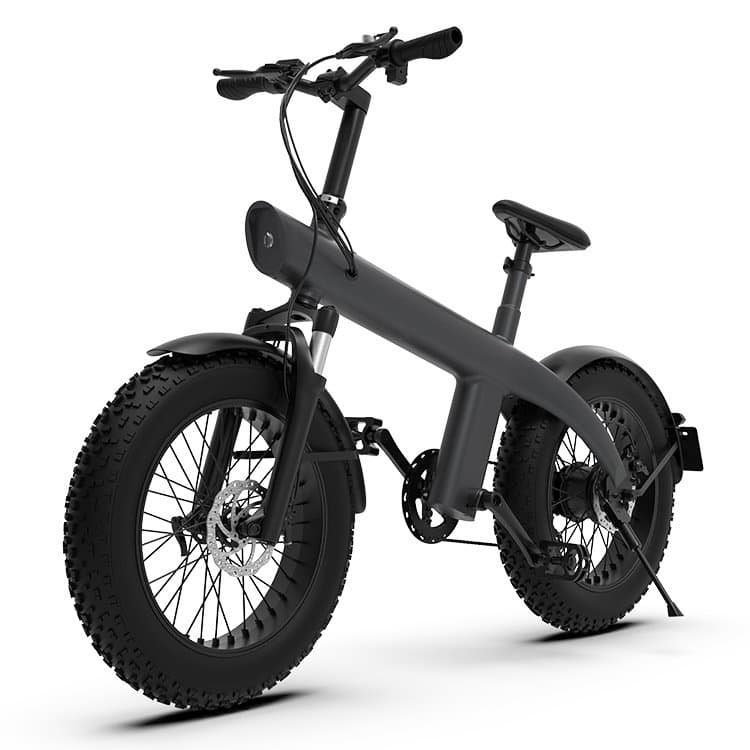
An electric bike is a bicycle with five extra parts: a battery, a controller, a motor, a sensor and a display. Here is what each one does and how they work together.
The short answer
How do electric bikes work? A battery stores energy, a controller decides how much of it to send, and a motor turns that energy into a push on the wheel or the chain. A pedal sensor tells the controller when you are pedaling, and how hard on bikes with a torque sensor, so the motor adds power to your effort. A throttle, where fitted, can move the bike without pedaling. The display sets the assist level, and the brake levers cut the motor when you pull them. Under the US classes, the controller stops the motor helping at 20 or 28 mph.
An electric bike is a bicycle first. It has a frame, wheels, pedals, a chain and brakes like any other bike. On top of that come five parts that work as one system:
Every ride runs the same loop. You pedal, the sensor reports it, the controller reads the assist level you chose, and the motor adds a matching push. Stop pedaling or pull a brake lever and the motor backs off.
Most e-bike batteries are lithium-ion packs made of many small cells, managed by a battery management system that guards against overcharging and overheating. Two numbers describe them: voltage (V), which is the electrical pressure, and amp hours (Ah), the capacity. Multiply them for watt hours (Wh), the total energy.
The Speedway Riders Q3, for example, carries a removable 48V 20Ah battery listed at 960Wh, and the Hiboy EX11 a removable 48V 18Ah pack at 864Wh. More watt hours means more range and more weight. Our guide to electric bike battery range explains how those figures turn into miles, and our sibling guide to electric bike battery care covers charging and storage.
Charge only with the charger that came with the bike, and look for a battery system tested to a recognized safety standard, such as UL 2849 for e-bikes. Our guide UL 2272, UL 2849 and UL 2271 explained shows how to check a listing. Never open or modify a battery; send any battery fault to a qualified technician.
The controller sits between the battery and the motor and decides how much current to send. It reads the sensor, the throttle, the assist level and the brake levers many times a second, and sets the motor’s output to match.
The controller is also where the speed limit lives. When the bike reaches the top assisted speed for its class, the controller stops sending power. That is why a switchable class bike, like the Segway Myon, can follow class 1, 2 or 3 rules from a setting rather than new parts. Some listings name the controller: ASAP lists a 48V 22A controller for the ASAP Varna.
The motor sits either in a wheel hub or between the pedals. A hub motor turns the wheel directly. A mid-drive motor turns the chain, so it works through the bike’s gears. Our guide to hub vs mid drive motors compares them in full.
Within hub motors there are two common types. A geared hub, like the 500W unit on the ASAP Zen, uses small internal gears to give more pull from a compact motor. A direct-drive hub, like the 750W motor on the Segway MUXI, has no internal gears.
Motor power comes as rated and peak figures. The rated figure is what the motor can keep up; the peak is a short burst. The AOTOS FLUX X26 shows the difference clearly: a 750W rated motor, with Boost mode reaching 1,200 W on the X26 and 2,000 W on the X26 Pro, for up to 10 seconds at a time. Torque, listed in Nm, tells you how hard the motor pulls from a stop and up a hill: the Hiboy EX11 lists 90 N·m.
The sensor is what makes an e-bike feel like a bike. There are two main kinds:
Some bikes offer both: ASAP lists torque or cadence sensing for the Varna and the Zen. Our guide to torque vs cadence sensors explains how each one feels.
A throttle sends power without any pedaling, from a thumb lever or twist grip. Under the class system it belongs to class 2 and stops helping at 20 mph. Our guide to throttle vs pedal assist covers when each mode makes sense and how each one affects range.
The display is your control panel. It switches the system on, shows speed and battery charge, and lets you pick an assist level. Low levels add a gentle push and save battery; high levels add more help and use it faster. The Segway Xafari lists 12 levels of pedal assist, and the Q3 lists an LCD that shows speed, mileage and battery.
Many bikes also offer riding modes. Hiboy lists bike, power assisted and pure electric modes on the EX9, so you can ride with no motor, with pedal assist or on the throttle alone. With the motor off, an e-bike rides like a heavy regular bicycle.
Most e-bikes have brake levers with a motor cut-off. Pull a lever and the controller stops the motor, so it never pushes against your brakes. Hiboy lists power off brakes on the EX9, and the Hiboy C1 lists a motor cut-off on its front and rear disc brakes. Our sibling guide to electric bike brakes compares hydraulic and mechanical discs.
Gears still matter on an e-bike, especially with pedal assist. The Q3 uses a Shimano 7-speed drivetrain, and Segway lists 9-speed electronic auto shifting on the Segway MUXI Pro, which shifts for you as you ride.
| Model | Top speed (mph) | Range (miles) | Motor power (W) |
|---|---|---|---|
| Speedway Riders Q3 750W Fat Tire Electric Bike | 28 | 45 | 750 |
| Hiboy EX11 Full Suspension Electric Bike | 20 | 100 | 880 |
| AOTOS FLUX X26 Series Fat Tire Electric Bike | 28 | 50 | 1,200 |
| Segway Myon Electric Bike | 28 | 80 | 1,500 |
| Segway MUXI Pro Electric Bike | 28 | 73 | 750 |
| Hiboy EX9 Urban Commuter Electric Bike | 20 | 62 | 750 |
Maker figures, checked September 2026. Real range and speed depend on rider weight, terrain, temperature and riding mode.
Our electric bike maintenance checklist covers the rest. Ready to choose? Start with how to choose an electric bike, then browse our electric bike shop. Every order ships free to the lower 48 states.
On pedal assist, yes: the motor helps only while you pedal. Bikes with a throttle can move without pedaling, and under the class system the throttle stops helping at 20 mph.
Generally, no. Pedaling turns the wheels, not the battery. You charge the battery from a wall outlet with the supplied charger.
Yes. Many have a bike mode with no assist, such as the Hiboy EX9. It rides like a heavier regular bicycle.
The controller. When the bike reaches the top assisted speed for its class, it stops sending power to the motor. You can still pedal faster on your own.
A seat turns an electric scooter into something you can ride for longer without tired legs. It also adds weight and changes how the ride feels. Here is how to choose.
Three wheels mean no balancing at a stop, a seat and room for shopping. They also mean a wider, heavier machine that corners differently. Here is how to decide.
Teens sit between kids bikes and full size adult bikes, and the right choice depends on height, weight and experience more than age. Here is how the teen-friendly models we carry compare.
30+ brands and 200+ models, with free shipping to the 48 contiguous states. Stuck between two? Our AI assistant answers calls and texts any time at (240) 916-2471.