How much does an electric scooter cost? 2026 price guide
Prices run from light commuters under $500 to hyper scooters past $5,000. Here is what each band buys, what pushes the price up and what you spend after checkout.
Pay in 4 at 0% APRLearn more
Order by 2 PM ET · ships in 1–2 business days
14-day returnsSee the policy
A hub motor turns the wheel. A mid-drive turns the cranks and works through your gears. That one difference shapes how each climbs, feels and wears.
The short answer
The hub vs mid drive motor choice comes down to where the motor sits. A hub motor is built into a wheel and turns it directly. A mid-drive sits between the pedals and turns the chain, so it works through the bike’s gears. Hub motors are simple, quiet, low on upkeep and pair well with a throttle, which suits flat to rolling city riding. Mid-drives climb long, steep hills better and feel more like a regular bicycle, but they wear the chain faster and usually cost more. Every electric bike in our catalog that names its motor type uses a hub motor.
The difference is where the motor sits and what it turns. That one choice shapes how an electric bike climbs, feels and wears.
Hub motors come in two kinds. A geared hub has small gears inside, so the motor can spin fast while the wheel turns slower. It is lighter and pulls well from a stop. A direct-drive hub has no internal gears. It runs almost silently and has very few wearing parts, but it weighs more and adds a little drag when you pedal with the power off.
Hub motors are the most common type on electric bikes because they are simple and cost less to build. Mid-drives are more common on electric mountain bikes and on higher priced commuters.
On a long, steep climb, a mid-drive has the edge. When you shift to a low gear, the motor keeps spinning at a speed where it makes good power and stays cool, even as the bike slows down. A hub motor is tied to the wheel speed, so on a slow, steep grind it turns slowly, works harder and can get warm.
That does not make a hub motor weak. A hub motor with plenty of torque climbs most city hills without trouble, and a throttle helps you start on a slope. Compare the torque figure in newton meters (N·m) and the climbing rating the maker lists:
Degrees and percent are not the same. A 15% grade rises 15 feet for every 100 feet forward, which is about 8.5 degrees. A 30 degree slope is about a 58% grade. Check which unit a maker uses before you compare two bikes.
Rider weight changes the picture too. The more weight a motor has to move, the more a long climb asks of it. Our guide to choosing an electric bike for heavy riders covers torque, payload and brakes for bigger loads.
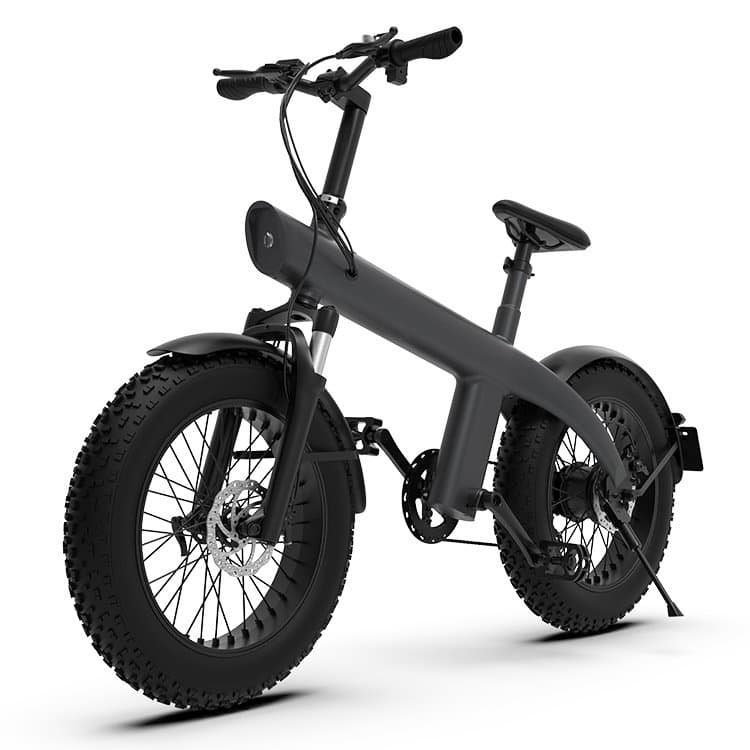
Because a hub motor works apart from the drivetrain, it pairs well with a belt drive. The Teewing T20 combines a 250W rear hub motor with a Gates carbon belt, which needs no oil.
Whichever motor you choose, the battery needs the same care. Our battery care guide covers charging and storage, and the advice applies to electric bikes too.
A hub motor feels like a push. A mid-drive feels like stronger legs.
A rear hub motor puts extra weight over the back wheel. You notice it most when you lift the bike onto a rack or up a step, and a direct-drive hub is the heaviest kind.
The pedal sensor shapes the ride as much as the motor does. We explain the difference in torque sensor vs cadence sensor.
Every electric bike in our catalog that names its motor type uses a hub motor. These listings state it:
| Model | Top speed (mph) | Range (miles) | Motor power (W) |
|---|---|---|---|
| ASAP Zen Folding Electric Bike | 28 | 35 | 500 |
| ASAP Zebra Electric Bike | 35 | 50 | 1,000 |
| Hiboy EX6F Foldable Low-Step Electric Bike | 20 | 75 | 500 |
| NAVEE KG05 Electric Bike | 20 | 37 | 500 |
| GT33 All-Terrain Cafe Racer Cargo Electric Bike | 31 | 50 | – |
| Segway MUXI Electric Bike | 23 | 80 | 750 |
| Segway MUXI Pro Electric Bike | 28 | 73 | 750 |
Maker figures, checked September 2026. Real range and speed depend on rider weight, terrain, temperature and riding mode.
Other models in the electric bike shop do not name the motor type on the listing. If it matters for your hills, ask us before you order.
None of our electric bikes list a mid-drive motor right now. The layout does appear in our electric dirt bike range: the Talaria Sting MX3 lists a 6 kW peak mid-drive motor, and the NAVEE Storm G a 3500W peak mid-drive. Those are electric dirt bikes rather than electric bicycles, but the idea is the same: the motor sits in the frame and drives the rear wheel through a chain.
Motor type is one of several big decisions. For the class, battery, frame and fit, read how to choose an electric bike, and see e-bike classes explained for where each class may ride. Every order ships free to the lower 48 states, and you can split the cost with Pay in 4 at 0% APR or monthly payments with Affirm.
Not for everyone. A mid-drive climbs long, steep hills better and feels more natural. A hub motor is simpler, quieter, needs less upkeep and pairs well with a throttle, which suits most city riding.
Yes. A hub motor with plenty of torque handles most city hills. Very long, steep climbs at low speed are where a mid-drive pulls ahead, because it can use the bike’s low gears.
Yes. The motor’s power goes through the chain and gears, so they wear faster than on a hub motor bike. Shifting with a light touch and replacing the chain on time keeps the rest of the drivetrain healthy.
A hub motor with small internal gears. The motor spins fast while the wheel turns slower, so it is lighter and pulls well from a stop. A direct-drive hub has no gears, runs almost silently and weighs more.
Yes, with a little more work. You unplug the motor cable and loosen the axle nuts to take the wheel off. Check your manual first, and any bike shop that works on electric bikes can help.
Prices run from light commuters under $500 to hyper scooters past $5,000. Here is what each band buys, what pushes the price up and what you spend after checkout.
72 volts is where electric dirt bikes start to pull like full-size motorcycles. Here is what the number changes, what it does not, and who should ride one.
The right first electric dirt bike is the one you can touch the ground on and control at low speed. Here is how to size it, how much power to start with and where to ride it.
30+ brands and 200+ models, with free shipping to the 48 contiguous states. Stuck between two? Our AI assistant answers calls and texts any time at (240) 916-2471.