Electric scooter with seat: who it suits and how to choose one
A seat turns an electric scooter into something you can ride for longer without tired legs. It also adds weight and changes how the ride feels. Here is how to choose.
Pay in 4 at 0% APRLearn more
Order by 2 PM ET · ships in 1–2 business days
14-day returnsSee the policy
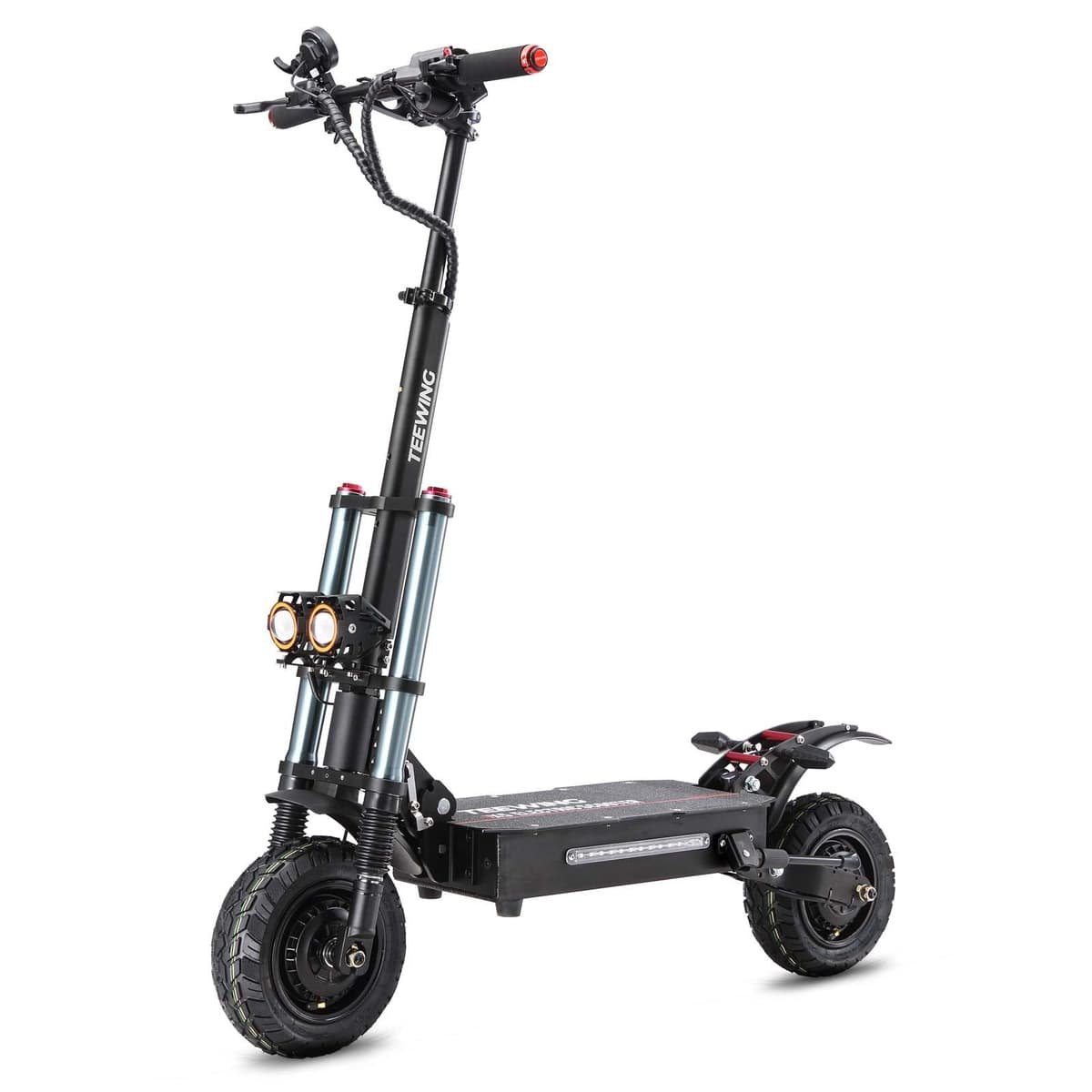
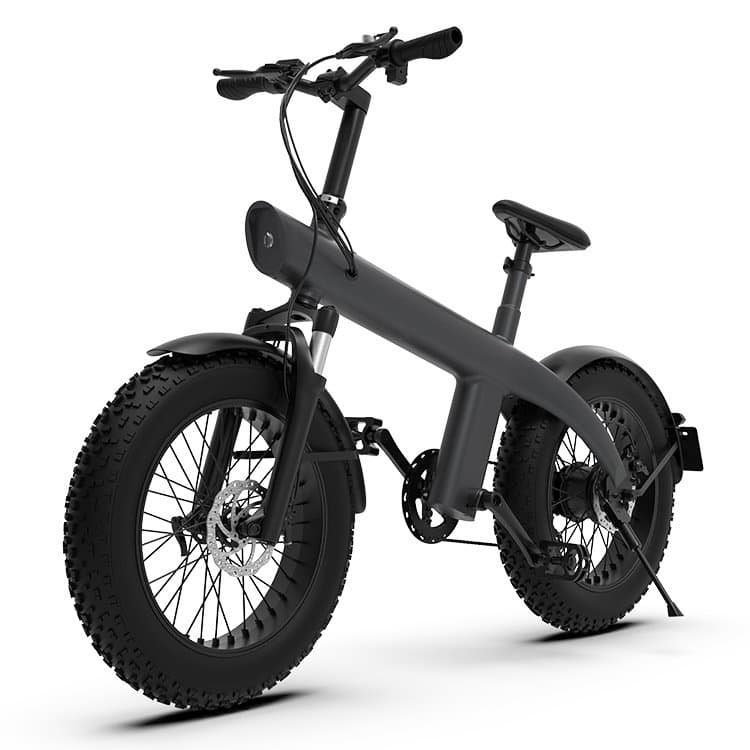
Most electric bikes stop helping at 20 or 28 mph, and the class decides which. Here is what those limits mean, what slows you down, and where faster models fit.
The short answer
How fast do electric bikes go? Most stop helping at 20 mph or 28 mph, and the class decides which. Class 1 and class 2 e-bikes assist up to 20 mph, and class 3 e-bikes assist up to 28 mph while you pedal. You can go faster by pedaling hard or rolling downhill, but the motor will not push you past the limit. Some models are sold with more speed, such as the ASAP Zebra at up to 35 mph or the Phantom Cafe Max P20 at up to 52 mph, and those sit outside the three classes. In New York City, class 3 assists to 25 mph, and the city sets a 15 mph limit for e-bikes on its streets.
Most US states sort electric bikes into three classes, and each one sets the speed at which the motor stops helping.
Our guide to e-bike classes explained covers the 750 watt rule, the class label and where each class may ride.
Past the limit, you are on your own legs. You can ride faster than 20 or 28 mph by pedaling hard or coasting downhill, but the motor stops adding power.
The federal definition of a low-speed electric bicycle uses 20 mph too. Under 15 U.S.C. 2085, published on govinfo.gov, it is a two or three wheeled vehicle with fully operable pedals and an electric motor of less than 750 watts, whose top speed on a paved level surface, on motor power alone with a 170 lb rider, is less than 20 mph.
That rule covers how bikes are made and sold. Your state and city decide how fast and where you may ride, so check their rules too. This is general information, not legal advice.
The listed top speed is a best case. On a real ride, several things pull it down:
Speed also costs range. Air drag rises quickly as you go faster, so the same battery covers fewer miles at 28 mph than at 15 mph. Hiboy rates the Hiboy EX9 at 31 miles on pure electric power and 62 miles with pedal assist, both with a 143 lb rider. Our guide to electric bike battery range explains how to plan for it.
These suit city riding, shared paths and riders who want a calm, easy pace.
| Model | Top speed (mph) | Range (miles) | Motor power (W) |
|---|---|---|---|
| Phantom P14 Foldable Electric Bike | 15 | 20 | 350 |
| Gyroor C33 Folding Electric Bike | 18.6 | 28 | 450 |
| Hiboy C1 Folding Electric Bike | 20 | 26.2 | 648 |
| Hiboy EX6 Step-Thru Fat Tire Electric Bike | 20 | 75 | 500 |
| Segway Xafari Electric Bike | 20 | 88 | 750 |
Maker figures, checked September 2026. Real range and speed depend on rider weight, terrain, temperature and riding mode.
Class 3 suits longer road commutes, where the extra assist keeps you moving with traffic. Many of these bikes ship at 20 mph and let you raise the limit where local rules allow.
| Model | Top speed (mph) | Range (miles) | Motor power (W) |
|---|---|---|---|
| Hiboy EX9 Urban Commuter Electric Bike | 20 | 62 | 750 |
| Segway Myon Electric Bike | 28 | 80 | 1,500 |
| Segway MUXI Pro Electric Bike | 28 | 73 | 750 |
| Speedway Riders Q3 750W Fat Tire Electric Bike | 28 | 45 | 750 |
| NANROBOT Q5 Electric Bike | 28 | 62 | 650 |
| AOTOS FLUX X26 Series Fat Tire Electric Bike | 28 | 50 | 1,200 |
Maker figures, checked September 2026. Real range and speed depend on rider weight, terrain, temperature and riding mode.
A few models in our catalog list more speed than any class allows. That can change how the law treats them.
| Model | Top speed (mph) | Range (miles) | Motor power (W) |
|---|---|---|---|
| ASAP Varna Electric Bike | 30 | 45 | 750 |
| GT33 All-Terrain Cafe Racer Cargo Electric Bike | 31 | 50 | – |
| ASAP Zebra Electric Bike | 35 | 50 | 1,000 |
| WEPED F1 Electric Bike | 50 | 124.3 | – |
| Phantom Cafe Max P20 Electric Bike | 52 | 53 | 1,000 |
Maker figures, checked September 2026. Real range and speed depend on rider weight, terrain, temperature and riding mode.
Depending on your state, a bike like this may count as a moped, a motor vehicle or an off-road vehicle, which can mean a license, registration and insurance, or riding on private land only. Read our sibling guides do you need a license for an electric bike and electric bike vs moped, and our guide to the electric moped for the seated models. The Segway Xyber is listed for off-road use only.
New York City has its own numbers. In the city, class 1 and class 2 e-bikes may assist up to 20 mph and class 3 up to 25 mph, below the 28 mph used in most states. Since October 24, 2025, NYC DOT has also set a 15 mph speed limit for e-bikes and electric scooters on city streets and park paths in all five boroughs, whatever the bike can do.
Pick a riding mode that keeps you at 15 mph or below in the city. Our NYC e-bike laws guide covers the rest, and the NYC street legal page lists the models in our catalog that meet the city rules.
Faster riding calls for disc brakes on both wheels and a good helmet. Browse every model in our electric bike shop. Every order ships free to the lower 48 states, and you can split the cost with Pay in 4 at 0% APR on models up to $2,000, or a monthly plan with Affirm, subject to approval.
This guide is general information, not legal advice. Speed rules vary by state and city and can change. Check your state motor vehicle agency and your city website before you ride.
A class 3 e-bike assists up to 28 mph while you pedal. In New York City, class 3 assists up to 25 mph, and the city has a 15 mph limit for e-bikes on its streets.
Under the class system, a throttle that moves the bike on its own stops helping at 20 mph. Bikes whose throttle goes faster sit outside the classes.
Rider weight, hills, wind, soft tires, a low assist level and a low battery all pull speed down. The listed figure is a best case on flat ground.
A bike whose motor helps past the class limits may count as a moped, a motor vehicle or an off-road vehicle, depending on your state. Check your state motor vehicle agency before you buy one.
A seat turns an electric scooter into something you can ride for longer without tired legs. It also adds weight and changes how the ride feels. Here is how to choose.
Three wheels mean no balancing at a stop, a seat and room for shopping. They also mean a wider, heavier machine that corners differently. Here is how to decide.
Teens sit between kids bikes and full size adult bikes, and the right choice depends on height, weight and experience more than age. Here is how the teen-friendly models we carry compare.
30+ brands and 200+ models, with free shipping to the 48 contiguous states. Stuck between two? Our AI assistant answers calls and texts any time at (240) 916-2471.