Electric scooter with seat: who it suits and how to choose one
A seat turns an electric scooter into something you can ride for longer without tired legs. It also adds weight and changes how the ride feels. Here is how to choose.
Pay in 4 at 0% APRLearn more
Order by 2 PM ET · ships in 1–2 business days
14-day returnsSee the policy
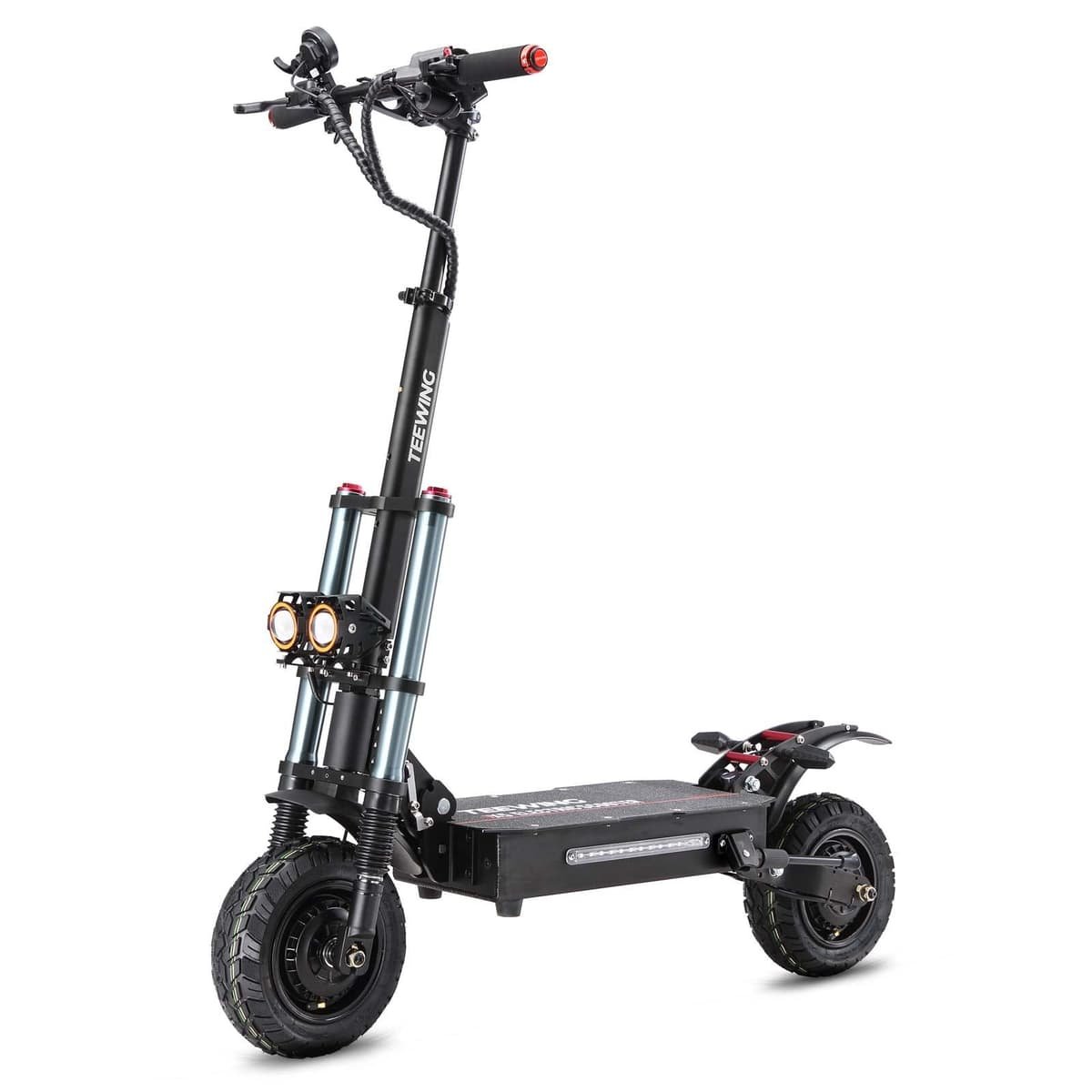
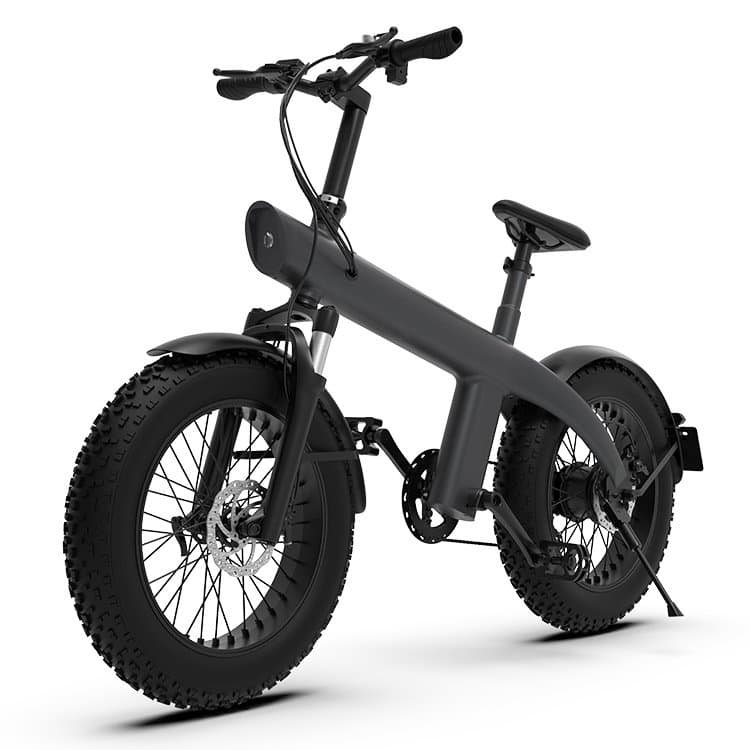
For the right trip, a scooter is one of the easiest ways to get around. For the wrong one, it ends up in a closet. Here is a quick test, the honest downsides and how to pick one you will use.
The short answer
Is an electric scooter worth it? For most people with regular trips of 1 to 10 miles, a place to store it and roads or bike lanes to ride on, yes. It costs little to run, skips traffic and parking, folds into a corner and often pays for itself within months if it replaces paid rides. It is worth less if your trips are long or rare, you have nowhere to keep it, your routes are rough or very steep, or you need to carry a passenger or heavy loads. The key is choosing a scooter with the range, weight and comfort your trip needs.
Answer five questions honestly. If most answers are yes, an electric scooter is very likely worth it for you.
A scooter earns its keep when it replaces something you pay for or something that wastes time.
We put numbers on the saving, with example fares and an example scooter, in our guide to electric scooter commute cost. If you are weighing shared scooters against your own, read our sibling guide, rent vs buy an electric scooter.
A scooter is not right for every trip or every rider. Go in with your eyes open:
It is worth less if you ride a couple of times a year, mostly travel long distances on highways, or need a vehicle for two people. For longer trips with cargo, an electric bike may suit you better; compare the two in electric scooter vs electric bike.
Most scooters that go unused were bought for the wrong trip. These rules keep that from happening.
These models balance range, weight and comfort for everyday trips.
| Model | Top speed (mph) | Range (miles) | Motor power (W) |
|---|---|---|---|
| Segway E2 Pro Electric Scooter | 18.6 | 24.9 | 350 |
| Segway F3 Electric Scooter | 20 | 44 | 450 |
| NAVEE G5 Max Electric Scooter | 20 | 43.5 | 500 |
| Segway Max G2 Electric Scooter | 22 | 43 | 450 |
| INMOTION S1F Electric Scooter | 25 | 59 | 500 |
| Segway Max G3 Electric Scooter | 28 | 50 | 850 |
Maker figures, checked September 2026. Real range and speed depend on rider weight, terrain, temperature and riding mode.
See every model by price in electric scooters by budget, or browse the full range of electric scooters for adults.
Every order ships free to the lower 48 states. Order by 2 PM ET and it ships in 1 to 2 business days.
If you have a regular short trip, a place to keep a scooter and a legal place to ride it, an electric scooter is usually worth it, and it often pays for itself sooner than people expect. If your trips are rare, long or loaded with cargo, rent now and then, or look at an electric bike instead.
Rules vary by state and city. Before you buy, check where electric scooters may ride near you, the speed limit and any helmet or age rules. Our guide to electric scooter laws lists the questions to ask.
For a regular commute of a few miles each way, usually yes. Running costs are small, and a scooter that replaces daily fares can pay for itself in months. Check that you can store it and ride it legally on your route.
With good care, many last several years. The battery slowly loses capacity over hundreds of charge cycles. Our guide to how long electric scooter batteries last covers the habits that help.
Often, as a first and last mile ride to and from the station, or for short trips where waiting takes longer than riding. A light folding model suits this best.
Choosing for top speed instead of the real trip. Range, weight and comfort decide whether you keep riding it.
A scooter is lighter and folds smaller. An electric bike carries more and rides better over long distances. Our electric scooter vs electric bike guide helps you choose.
A seat turns an electric scooter into something you can ride for longer without tired legs. It also adds weight and changes how the ride feels. Here is how to choose.
Three wheels mean no balancing at a stop, a seat and room for shopping. They also mean a wider, heavier machine that corners differently. Here is how to decide.
Teens sit between kids bikes and full size adult bikes, and the right choice depends on height, weight and experience more than age. Here is how the teen-friendly models we carry compare.
30+ brands and 200+ models, with free shipping to the 48 contiguous states. Stuck between two? Our AI assistant answers calls and texts any time at (240) 916-2471.