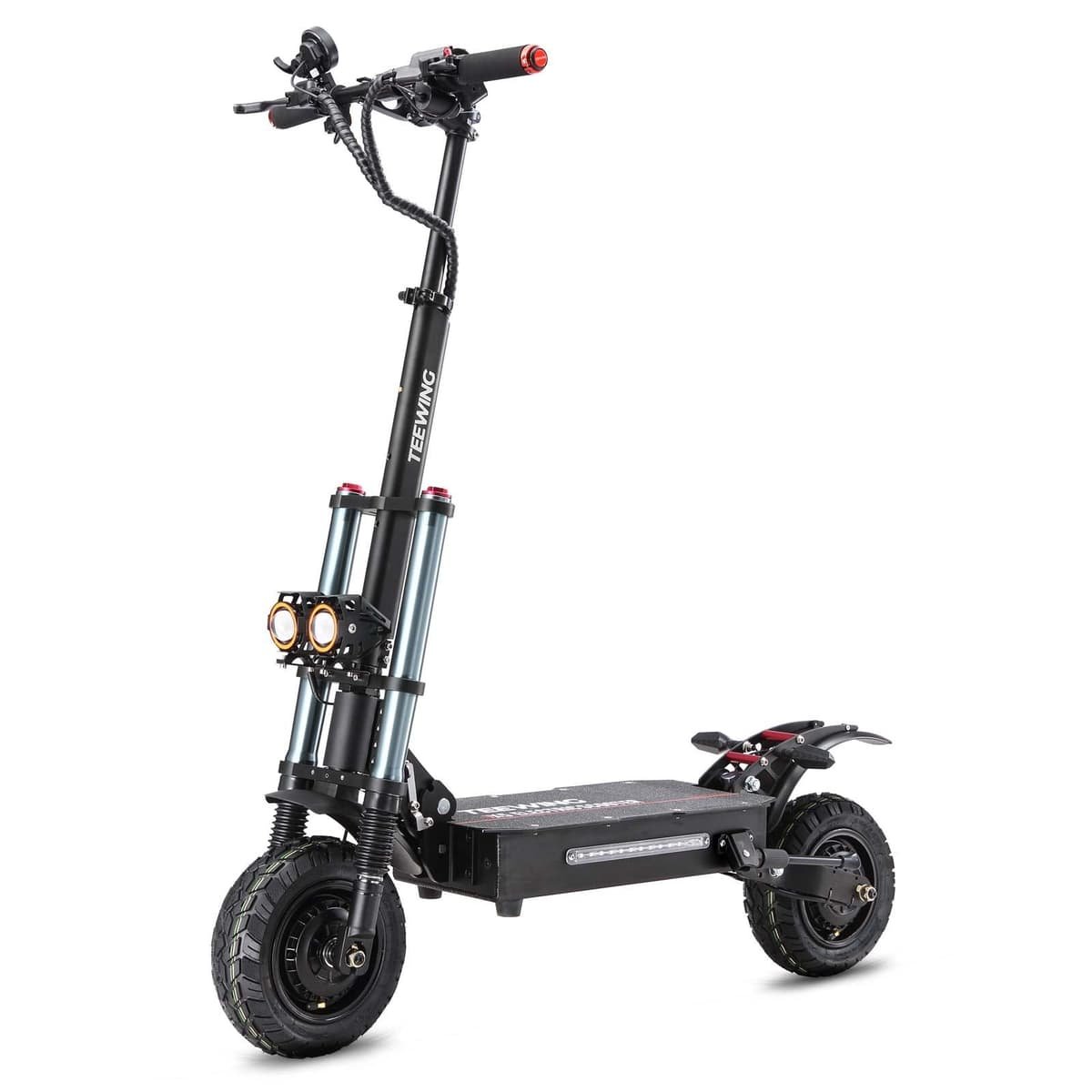
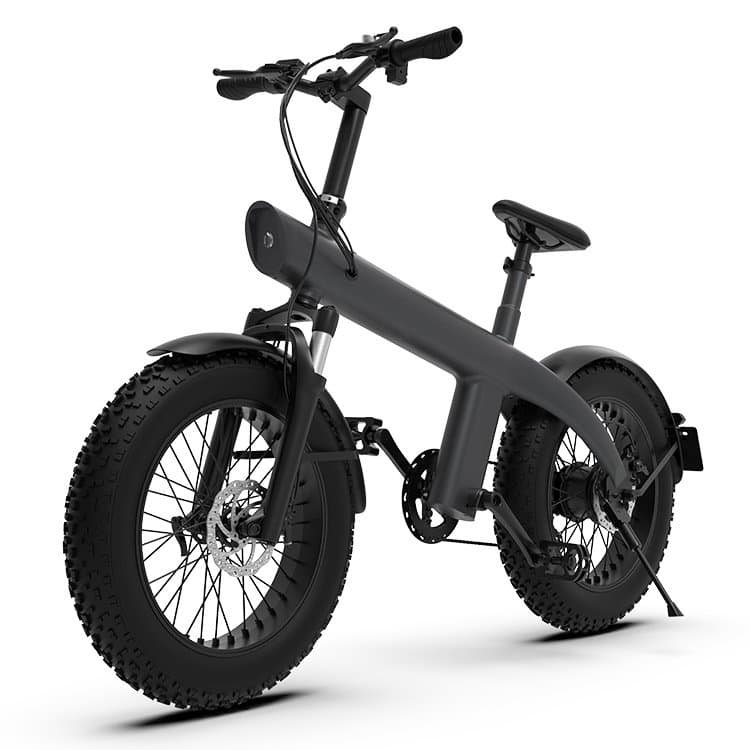
Hills are where an underpowered electric scooter gives up. Here are our 2026 picks for climbing, from strong commuters to dual motor models for steep grades.
Published Oct 10, 20265 min read
HILLS
The short answer
Climbing takes power, and the steeper the hill and the heavier the rider, the more you need. For moderate hills on a daily commute, a strong commuter model of around 1,500 to 2,000 watts does the job. For steep streets and long climbs, a dual motor model of 2,400 watts and up. For the steepest grades and heavy riders, a high voltage performance model. Good brakes matter just as much, because every climb has a way back down.
Motor power and battery voltage decide how well an electric scooter climbs.
Rider weight matters as much as the hill. A heavier rider needs more power.
Dual motors grip and climb better, especially on wet or loose surfaces.
Strong brakes are part of climbing too, for the ride back down.
What makes an electric scooter good on hills
Power does most of the work. Makers list motor power in watts, and more watts means more push on a climb. Higher battery voltage helps too, because the motor can deliver more power without straining.
Motor power: light commuters of 350 to 500 watts slow down a lot on hills. From about 1,000 watts, moderate hills are comfortable, and dual motor models climb steep streets with ease.
Dual motors: with both wheels driven, the power is shared and the front wheel pulls too, which helps grip on steep, wet or loose ground.
Battery charge: most electric scooters climb best with a well charged battery. Near empty, power drops and hills feel steeper.
Maker figures, checked September 2026. Real range and speed depend on rider weight, terrain, temperature and riding mode.
Electric scooters for steep hills
For steep streets, long climbs and heavier riders. These have 2,400 watts or more, and many use two motors for better grip. They are heavier than a commuter model, so think about storage.
For the steepest roads and trails, heavy riders and experienced riders who want power in reserve. High voltage, high power models with strong brakes and suspension, most with two motors, and many weigh 100 pounds or more.
Our picks for electric scooters for the steepest grades
Maker figures, checked September 2026. Real range and speed depend on rider weight, terrain, temperature and riding mode.
Ride with full protective gear, and check your local rules. Rules on speed and where you can ride vary by state and city, and the most powerful models are often limited to private land. See what to check in electric scooter laws.
The way back down: brakes and control
Every climb has a descent, and a heavy electric scooter picks up speed quickly downhill. Good brakes matter as much as a strong motor.
Disc brakes front and rear at a minimum, and hydraulic brakes on faster and heavier models.
Electronic braking on many models slows you through the motor and takes some load off the brakes.
Brake early and steadily on long descents rather than braking hard at the bottom.
Check your pads often if your trip has regular hills. They wear sooner.
Tips for riding up hills
Carry some speed into the climb instead of starting from a stop at the bottom.
Use the highest speed mode your skill and the road allow. Lower modes often limit power.
Lean forward slightly to keep weight on the front wheel and keep it tracking.
Watch for heat on long climbs. Many models reduce power to protect the motor and controller if they get too hot.
Keep the tires at the right pressure. Soft tires make climbing harder and waste range.
How to choose
Match the power to your steepest regular hill and your weight. If a climb is part of every trip, lean toward more power than you think you need, and toward two motors if the road is steep or often wet. Then check the range with your climbs in mind, because hills use the battery faster. Our guide to electric scooter range explains how much.
How many watts does an electric scooter need for hills?
For moderate hills, around 1,000 watts and up is comfortable for most riders. For steep hills or heavier riders, a dual motor model of 2,400 watts and up climbs far better.
Can a single motor electric scooter climb hills?
Yes, a strong single motor model handles moderate hills well. On steep hills, or with a heavy rider, it slows down a lot, and a dual motor model is the better choice.
Do hills drain the battery faster?
Yes. Climbing takes much more power than riding on the flat, so a hilly trip uses noticeably more range. Electronic braking on the way down recovers a little of it on many models.
Is it safe to ride an electric scooter down steep hills?
Yes, with good brakes and care. Keep your speed under control, brake early and steadily, and check your brake pads often if your trip has regular hills.
Most scooters are sized for an average rider, which leaves shorter riders steering with raised arms and wrestling a heavy frame. Here are the figures that fix the fit, the models with adjustable handlebars, and our picks for short beginners.
Teens sit between kids bikes and full size adult bikes, and the right choice depends on height, weight and experience more than age. Here is how the teen-friendly models we carry compare, including what fits a 13 year old.
The max load on a spec sheet is a short number with a lot behind it. Here is what it covers, what changes as you get close to it, how much scooters and seated mopeds carry and weigh, and in-stock models at each rating.
Nov 12, 20268 min read
Ready to look at models?
Shop the rides
30+ brands and 200+ models, with free shipping to the 48 contiguous states. Stuck between two? Our AI assistant answers calls and texts any time at (240) 916-2471.