Electric scooter vs electric bike: which one fits your commute?
One folds and goes under a desk. The other carries groceries and eats long miles. Here is how to tell which one your trip actually needs.
Pay in 4 at 0% APRLearn more
Order by 2 PM ET · ships in 1–2 business days
14-day returnsSee the policy
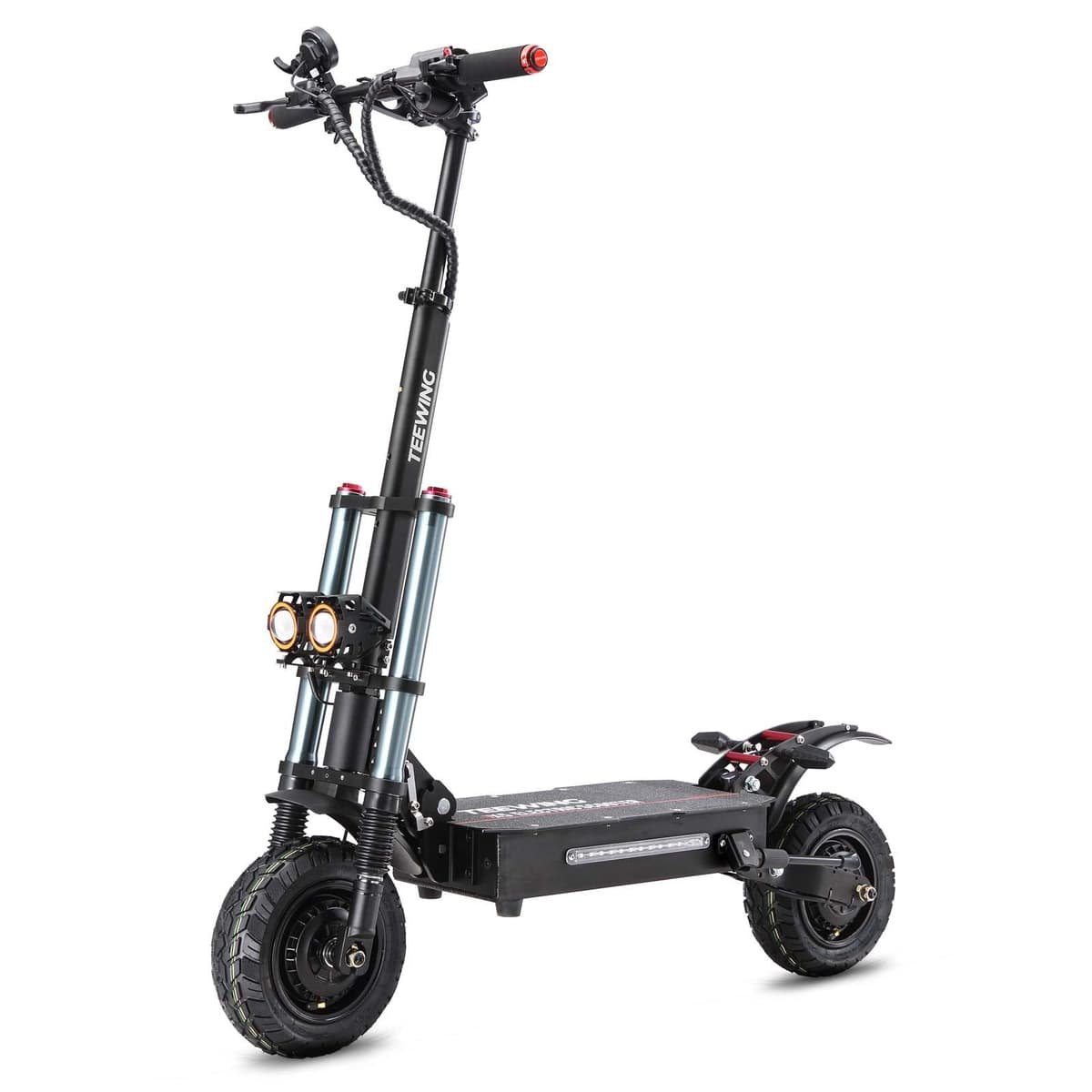
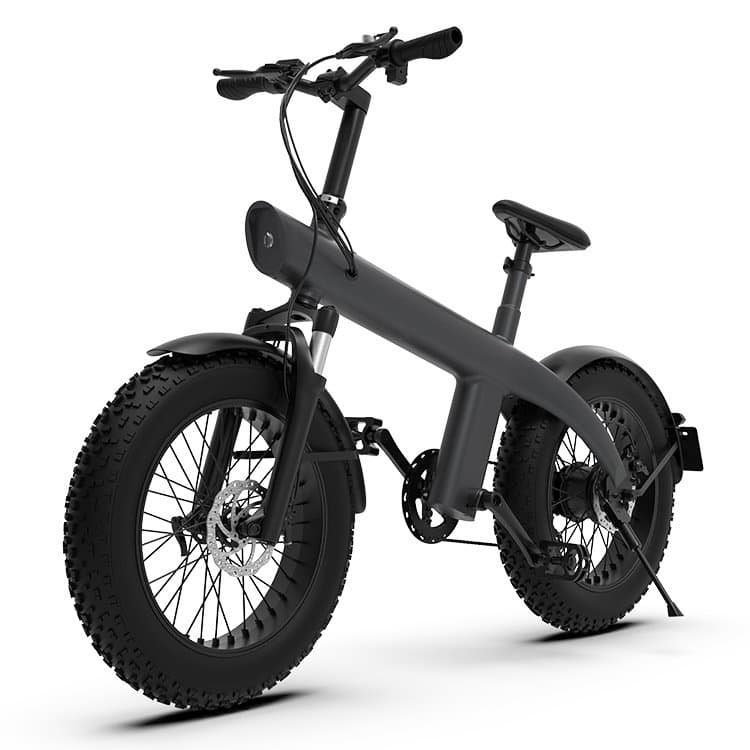
A second motor changes how an electric scooter climbs, grips and pulls away. It also adds weight and cost. Here is how to tell if you need one.
The short answer
A single motor electric scooter is the right choice for most commuters: flat or gently rolling routes, riders under about 220 pounds, and anyone who carries the vehicle. Choose dual motors if you have steep hills, weigh more than about 220 pounds, ride on loose or wet surfaces, or want strong acceleration. Dual motor models cost more, weigh more and use the battery faster when both motors are running.
Each motor sits inside a wheel hub. A single motor model drives one wheel, usually the rear. A dual motor model has a motor in each wheel and a controller for each, so both wheels push.
The result is more total power, and power delivered through two contact patches instead of one. That shows up in three places: hill climbing, acceleration and grip.
This is the clearest difference. On a steep climb a single motor slows down, sometimes to walking pace with a heavier rider, and it runs hot doing it. Two motors share the work, hold more speed, and stay cooler.
If your route has a hill you would not enjoy cycling up, or you weigh more than about 220 pounds, dual motors are worth it. More on that in electric scooters for heavy adults.
Dual motor models pull away much harder. That is useful when you need to clear an intersection or merge, and it is the main reason experienced riders choose them. Top speeds are higher too, often 40 mph and above, which brings its own need for protective gear and respect for local speed limits. See how fast electric scooters go.
New riders: start in the lowest power mode. A dual motor electric scooter in full power mode can accelerate hard enough to surprise you.
Two driven wheels slip less. On wet pavement, gravel, grass or a painted line, a single driven wheel can spin when you accelerate. With both wheels driving, each one has less to do. It is the same idea as all wheel drive in a car. It helps you pull away. It does not help you stop, so braking distances on wet roads are just as long.
Two motors use more energy when both are working. Makers fit dual motor models with bigger batteries to make up for it, which is why many of them still list long range figures. Ridden hard, that range drops quickly.
Nearly every dual motor model has a button to run on one motor. Use single motor mode for flat cruising and switch the second motor in for hills. You get most of the range of a single motor model with the power there when you want it. Our range guide explains what else affects distance.
| Model | Top speed (mph) | Range (miles) | Motor power (W) |
|---|---|---|---|
| KUKIRIN G2 | 27 | 34 | 800 |
| KUKIRIN G4 | 43.5 | 43 | 2,000 |
| Ausom L2 Max | 38 | 56 | 2,688 |
| Ausom DT2 Pro | 40 | 71 | 2,912 |
| Teewing X5 6000W | 55 | 75 | 6,000 |
| Teewing Z4 Pro 8000W | 55 | 65 | 8,000 |
Maker figures, checked September 2026. Real range and speed depend on rider weight, terrain, temperature and riding mode.
Choose a single motor if most of these are true:
Choose dual motors if any of these are true:
For everything else that goes into the decision, read how to choose an electric scooter, or browse the electric scooter shop and compare motor power. Every order ships free to the lower 48 states, and you can spread the cost with Pay in 4 or a monthly plan.
Yes if you have steep hills, weigh more than about 220 pounds, or ride on loose or wet surfaces. For a flat commute, a good single motor model does the job for less money and weight.
On nearly all models, yes. A button on the handlebar switches between single and dual motor modes, and single motor mode saves battery.
They are heavier and accelerate harder. Start in the lowest power mode, learn how the brakes feel, and build up gradually.
With both motors running hard, it uses energy faster. Dual motor models usually have larger batteries to compensate, and single motor mode stretches the range further.
One folds and goes under a desk. The other carries groceries and eats long miles. Here is how to tell which one your trip actually needs.
Splitting the cost can make sense, as long as you know which plans are interest free, which are not, and what you will have paid at the end.
An electric scooter has very few parts that need attention. The ones that do are the ones that keep you upright and let you stop.
30+ brands and 200+ models, with free shipping to the 48 contiguous states. Stuck between two? Our AI assistant answers calls and texts any time at (240) 916-2471.