Frame style
Fat tire
Wide fat tires grip sand, snow and gravel, and smooth out rough streets.
E-bikes from$899
Shop fat tire e-bikes 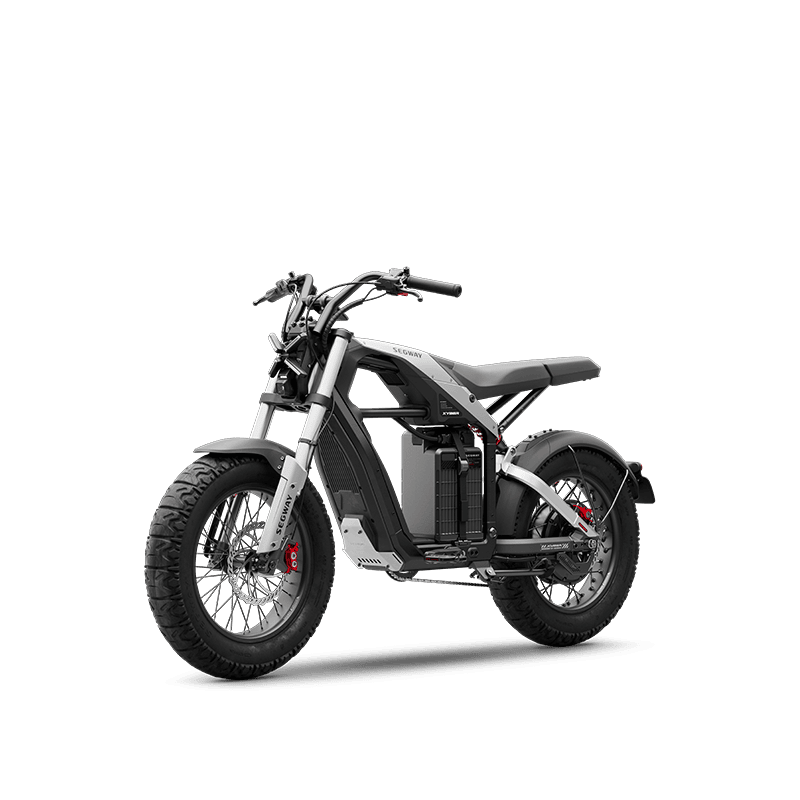 SegwayXyber$2,300
Pay in 4 at 0% APRLearn more
Order by 2 PM ET · ships in 1–2 business days
14-day returnsSee the policy
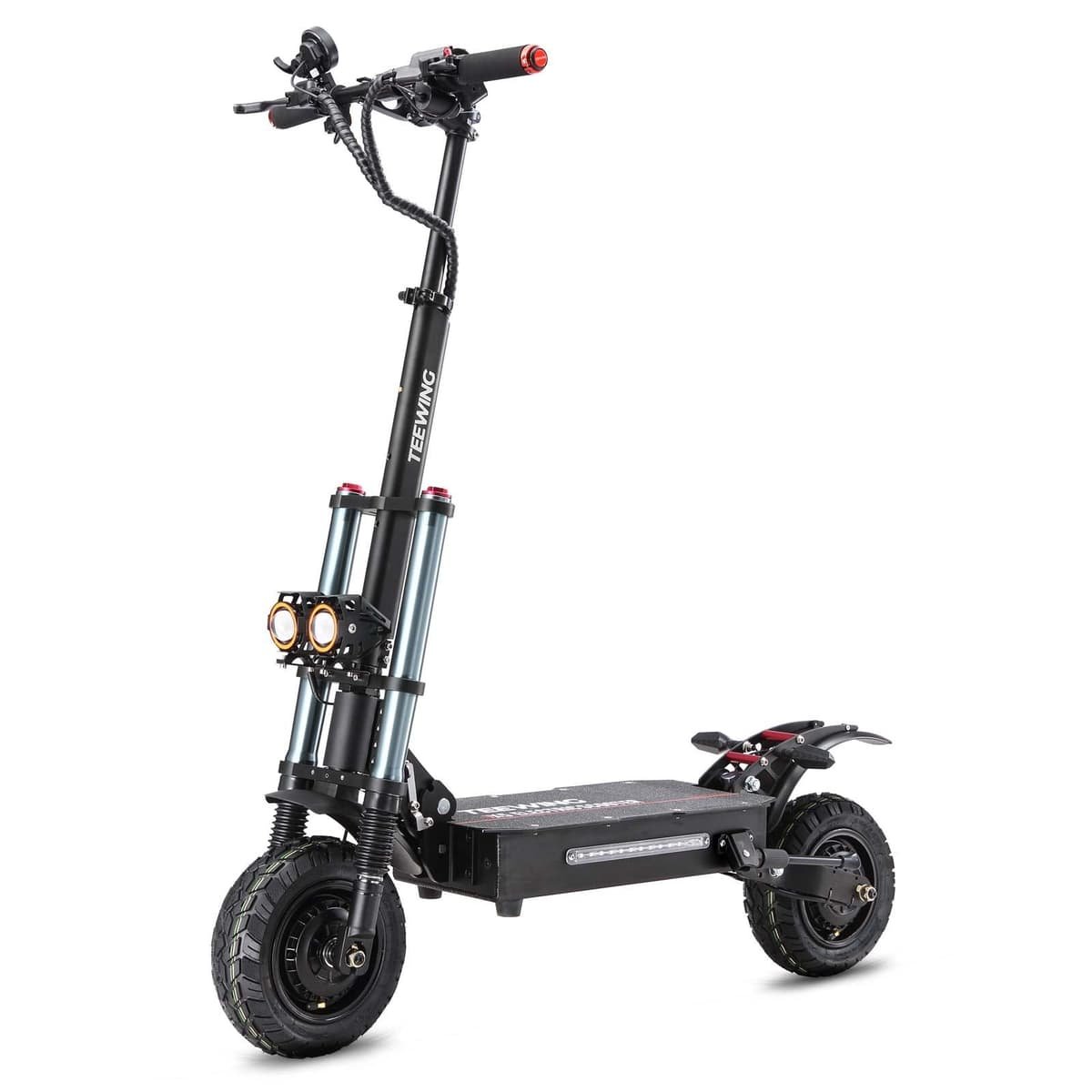
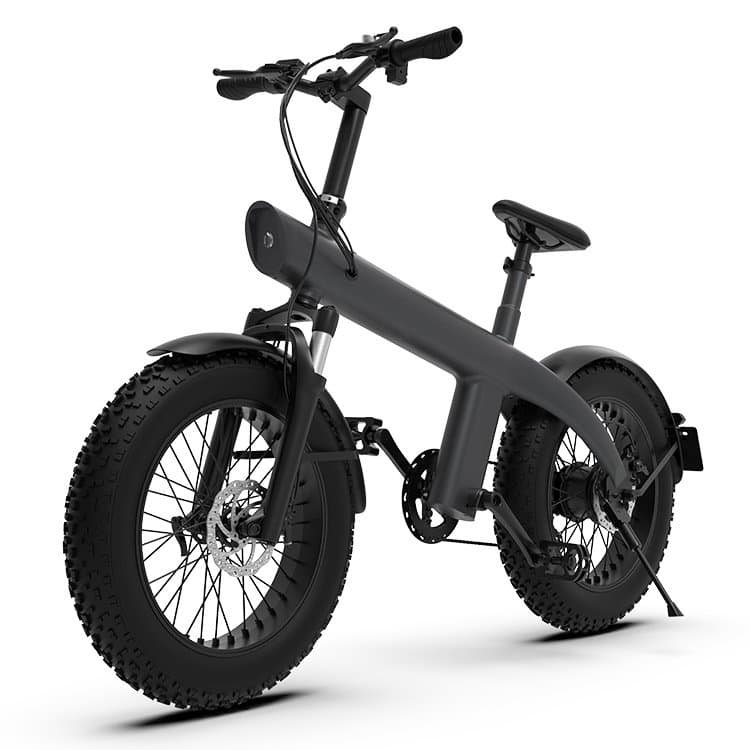
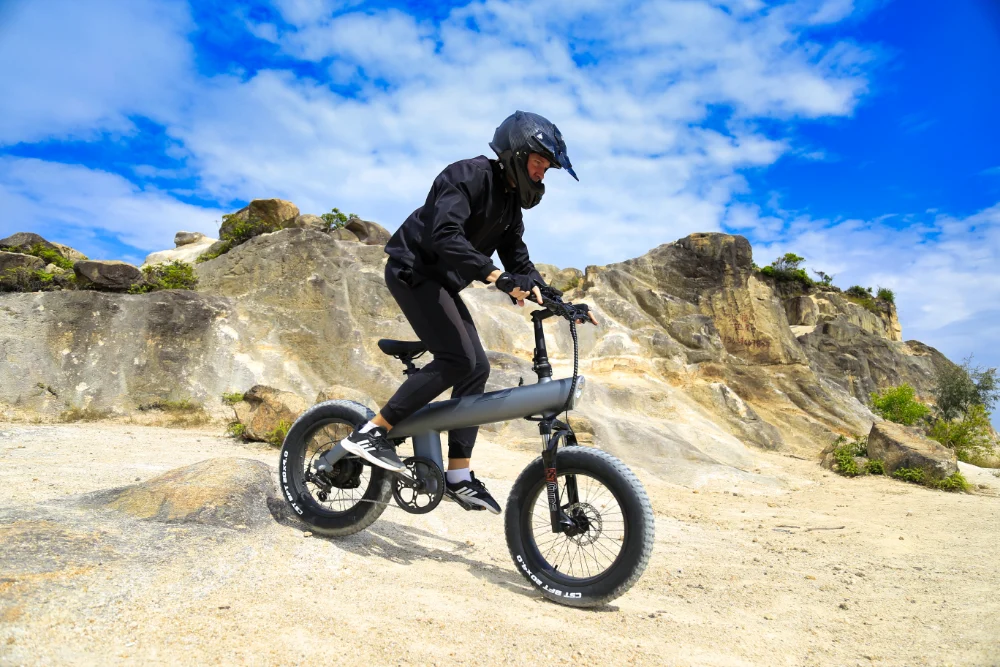
Fat tire, commuter, folding and moped-style e-bikes from Segway, Hiboy, ASAP, NAVEE and more. Free shipping to the lower 48, and Pay in 4 at 0% APR.
Wide fat tires grip sand, snow and gravel, and smooth out rough streets.
SegwayXyber$2,300Upright, easy-riding bikes made for daily miles on city streets.
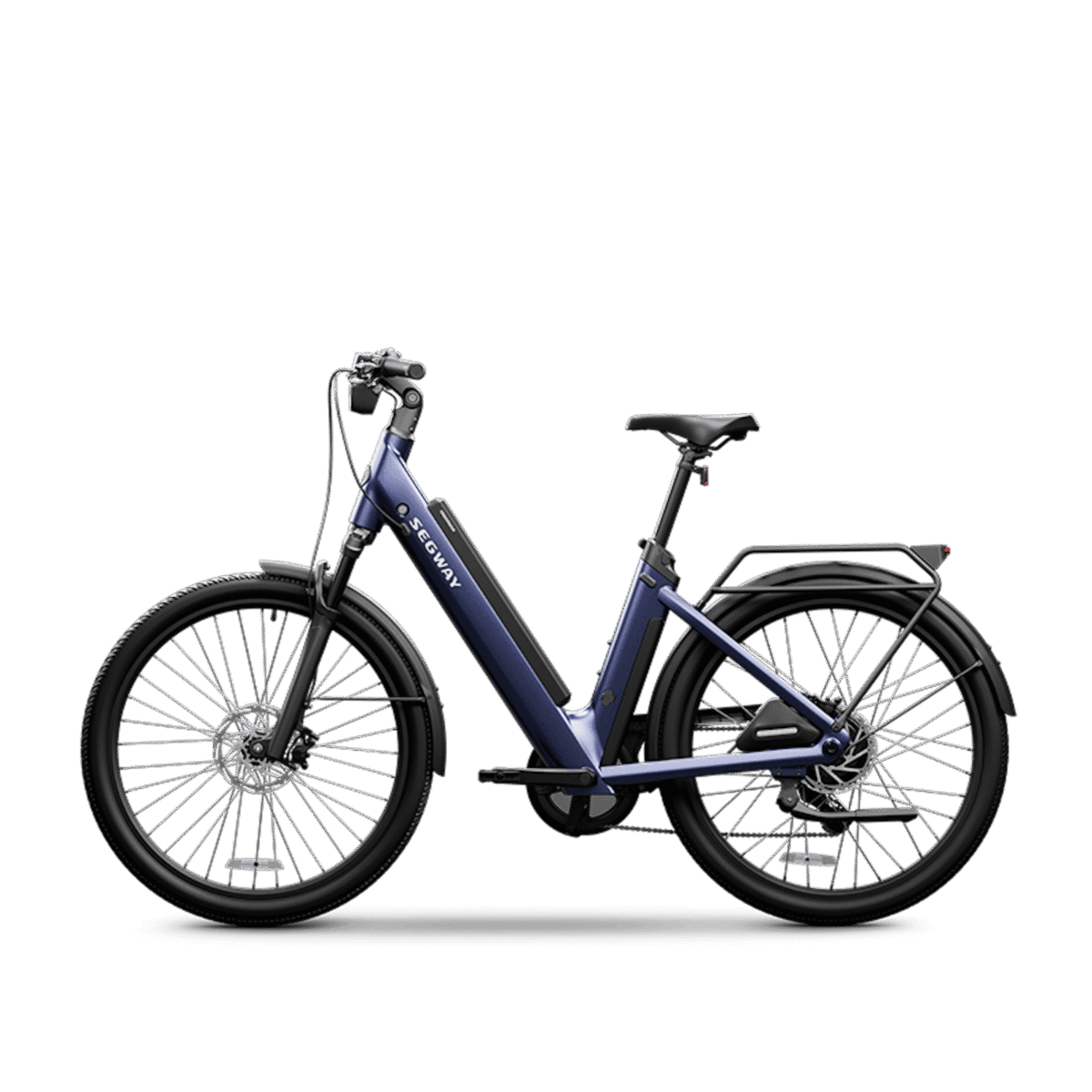 SegwayMyon$1,800
Folds down to fit a car trunk, a closet or a train.
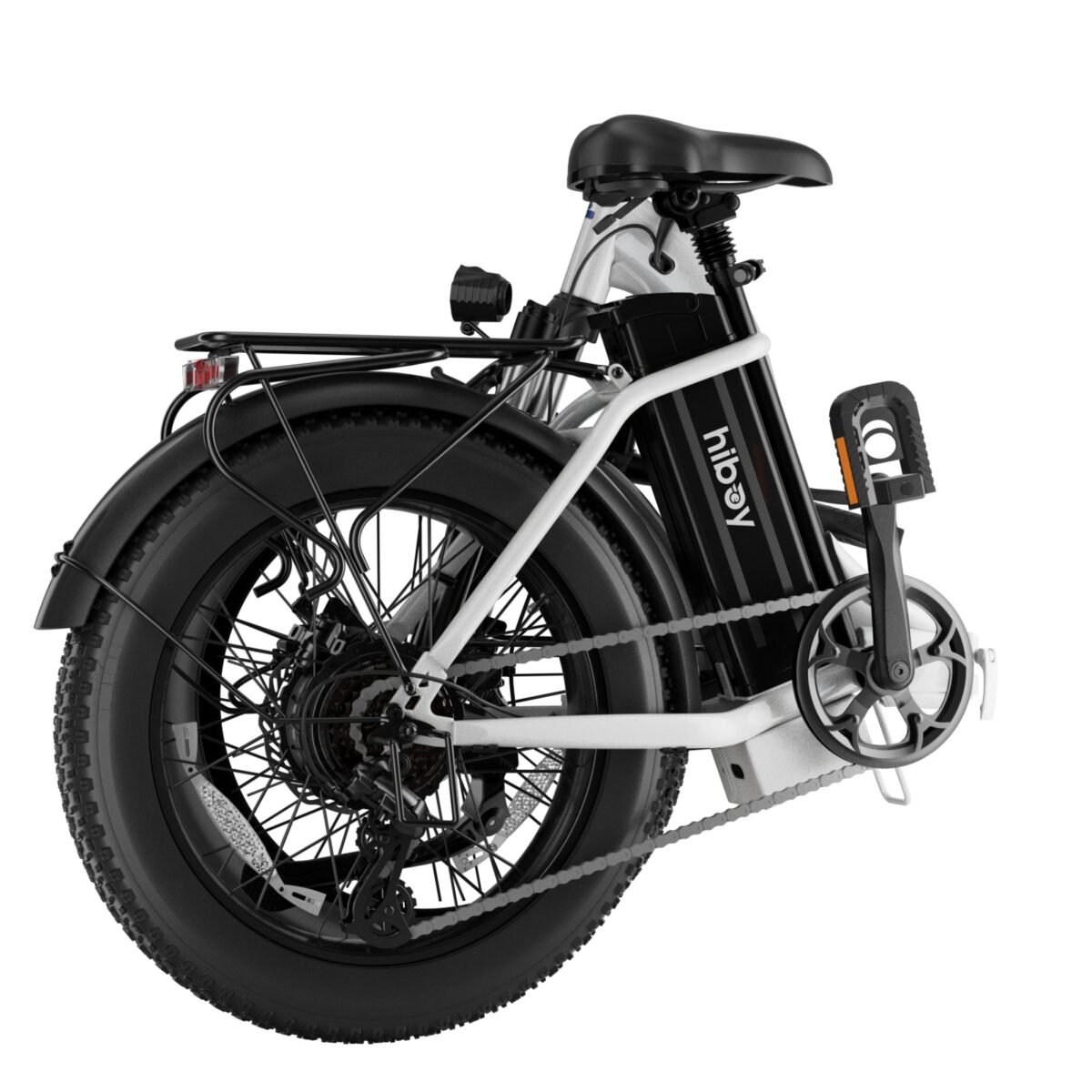
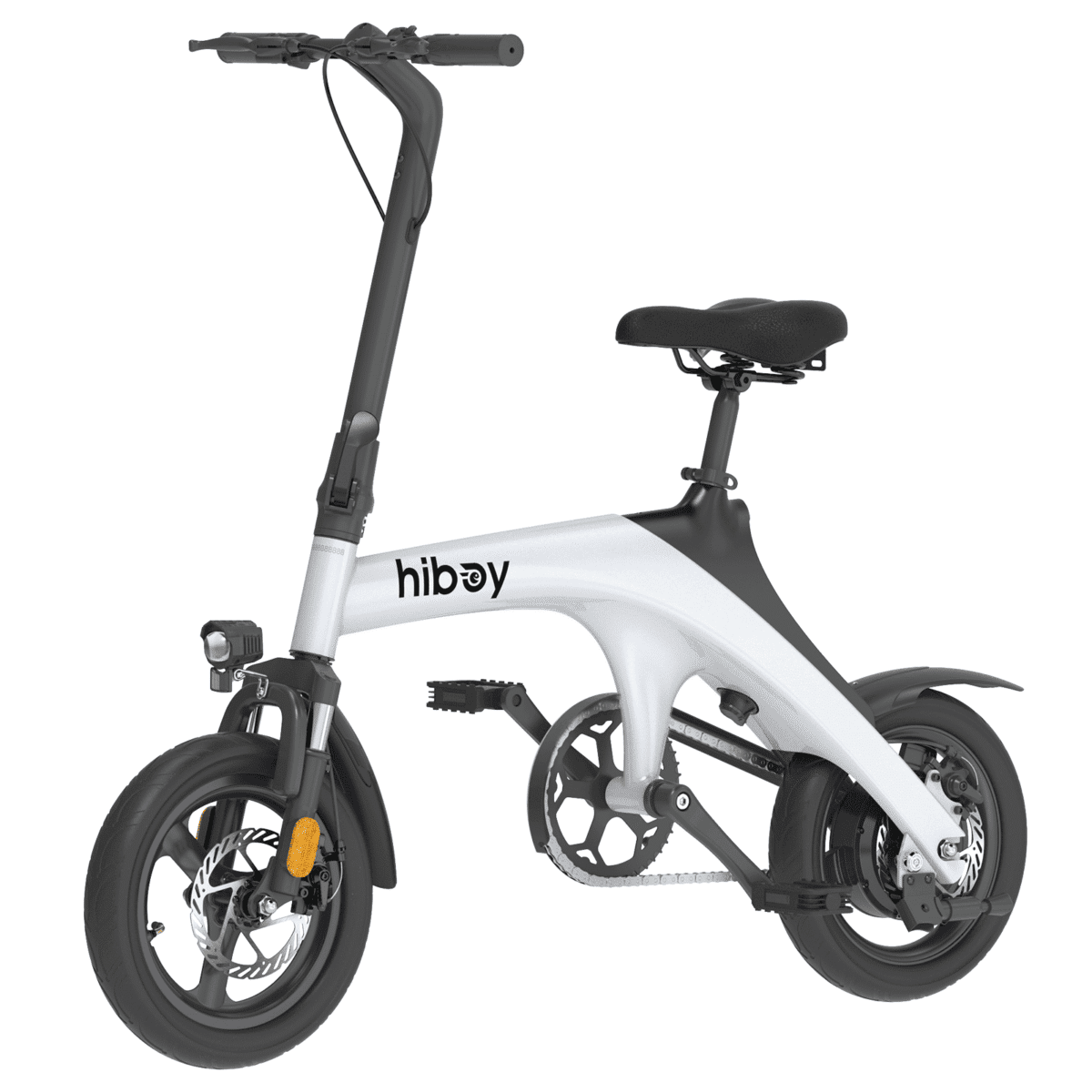 HiboyC1$630
A long bench seat and motorcycle looks, with pedals when you want them.
SegwayXyber$2,300Suspension and grippy tires for trails and dirt roads.
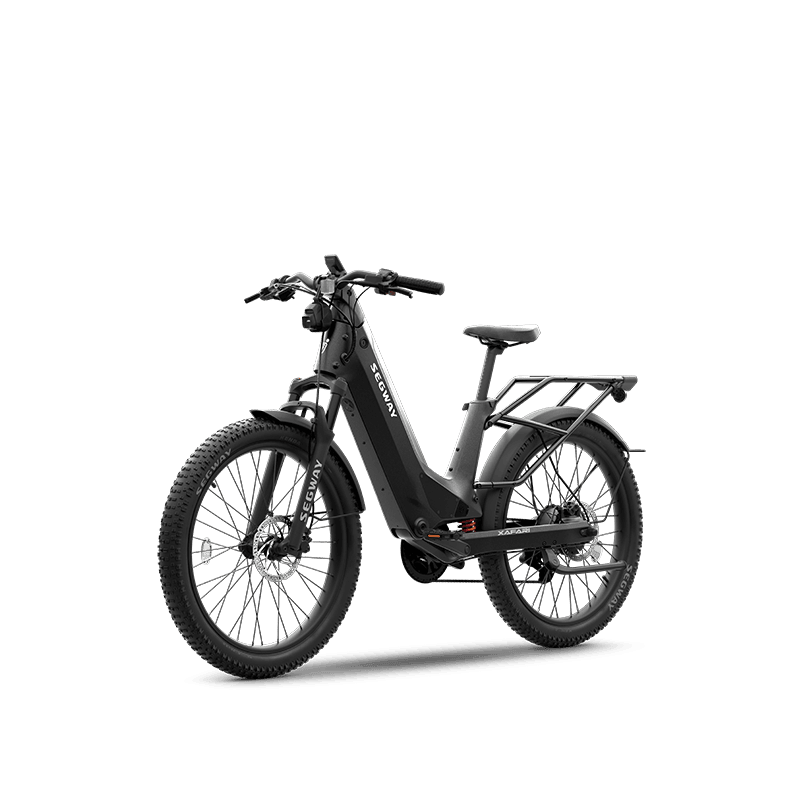 SegwayXafari$1,500
A long rear deck for a passenger or a week of groceries.
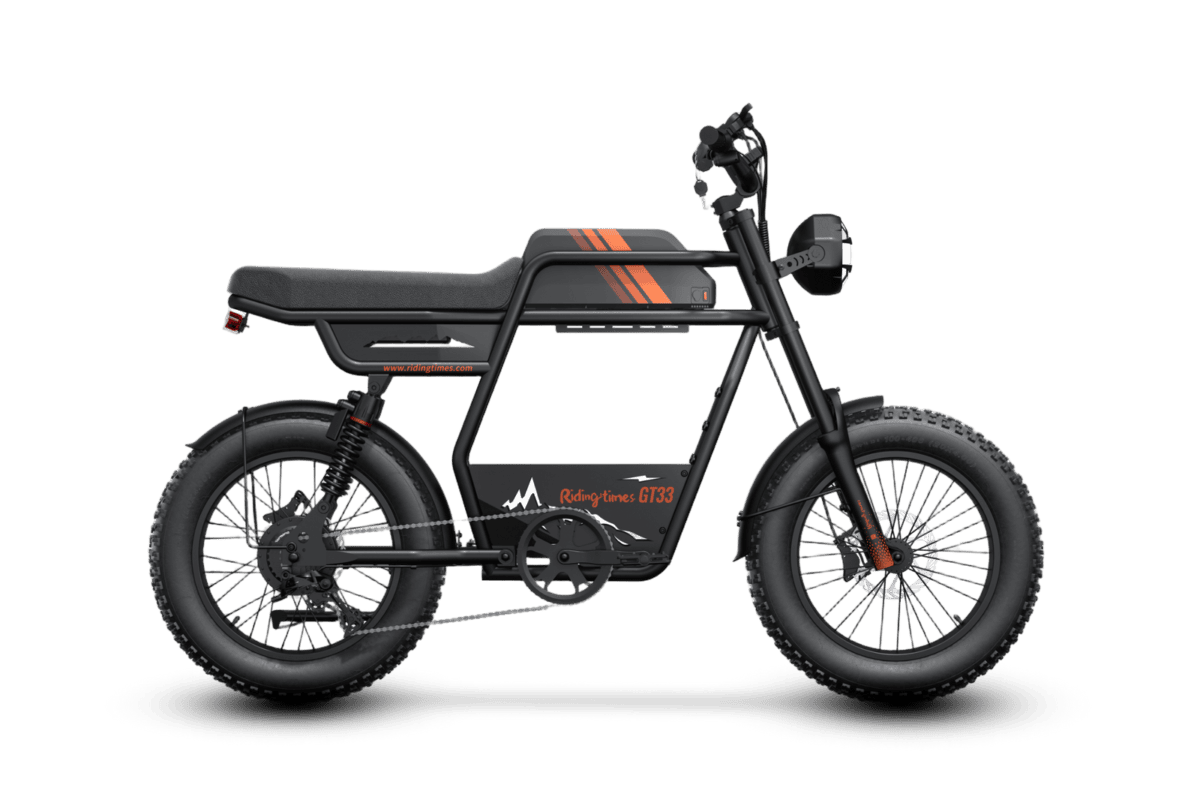 Riding'timesGT33 All-Terrain Cafe Racer Cargo$899
Days between charges use each maker’s rated range. Real range is lower with hills, cold weather, a heavier rider or more throttle, so plan on some margin.
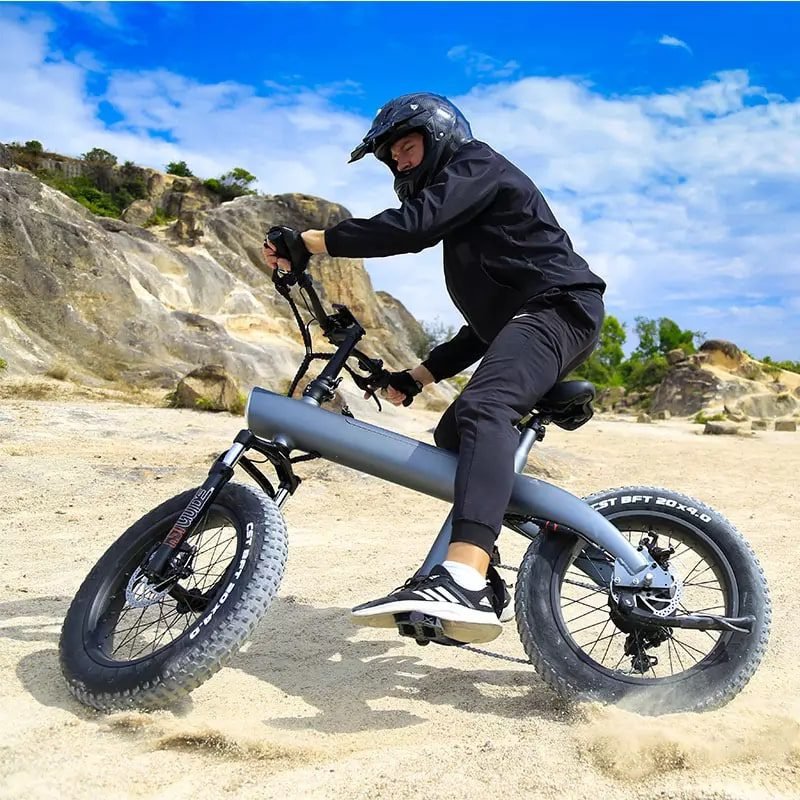 Our own e-bike
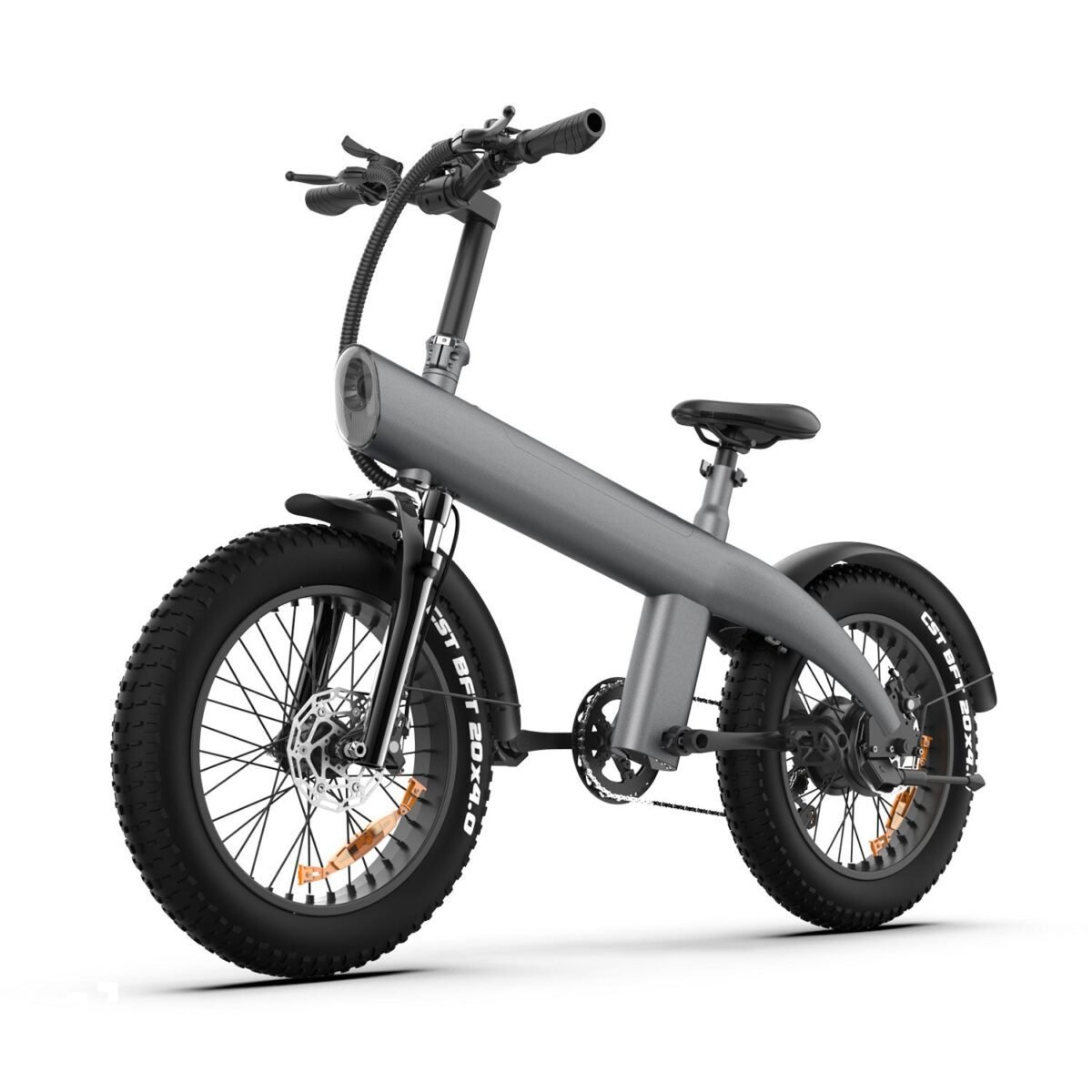
A 750 W rear hub motor on 20 × 4.0 in fat tires, with hydraulic disc brakes, a suspension fork, 7 speeds and a frame-integrated battery that locks with a key and comes out to charge.
20 mph · 112 mi range · 3,000 W · carries 330 lb
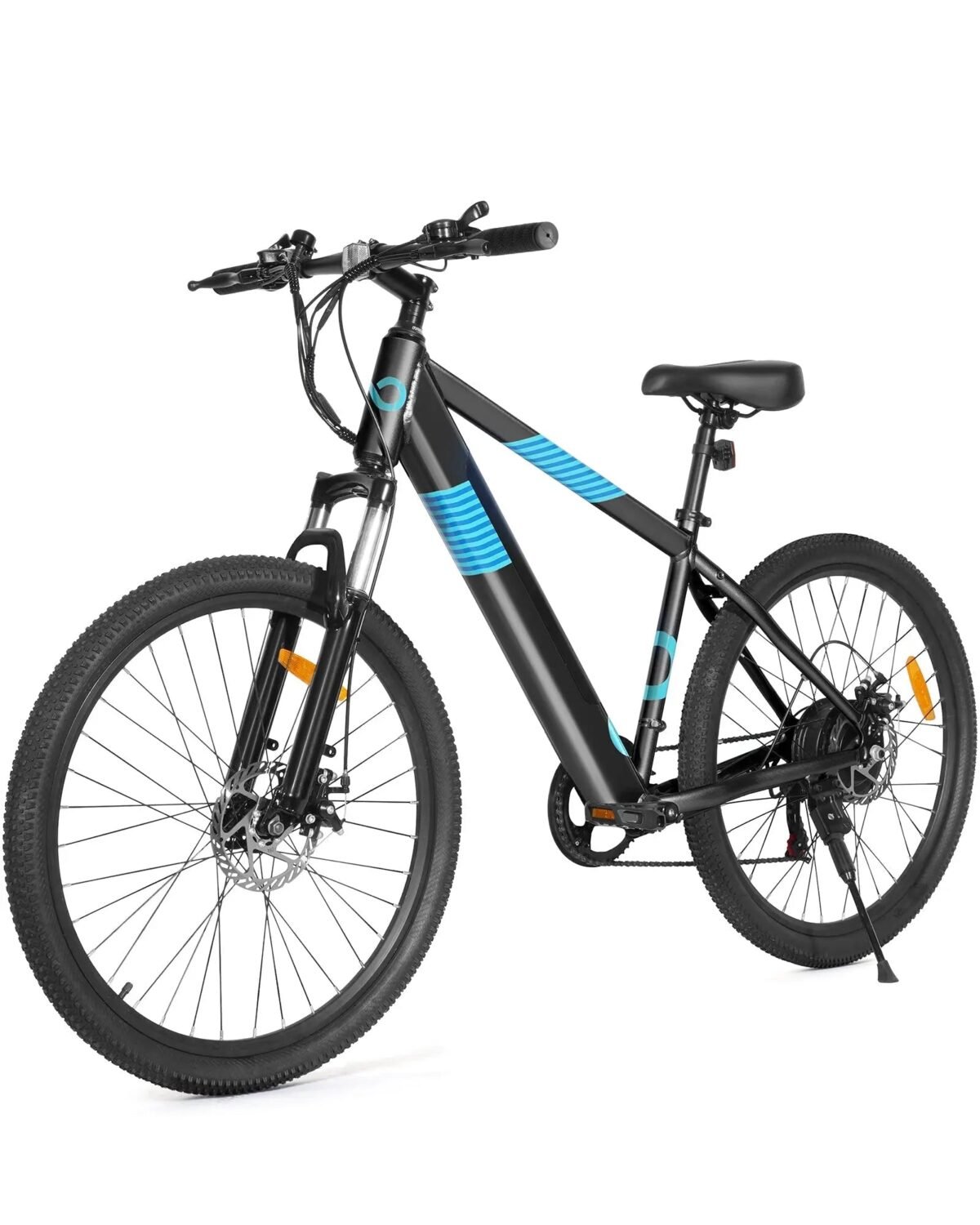
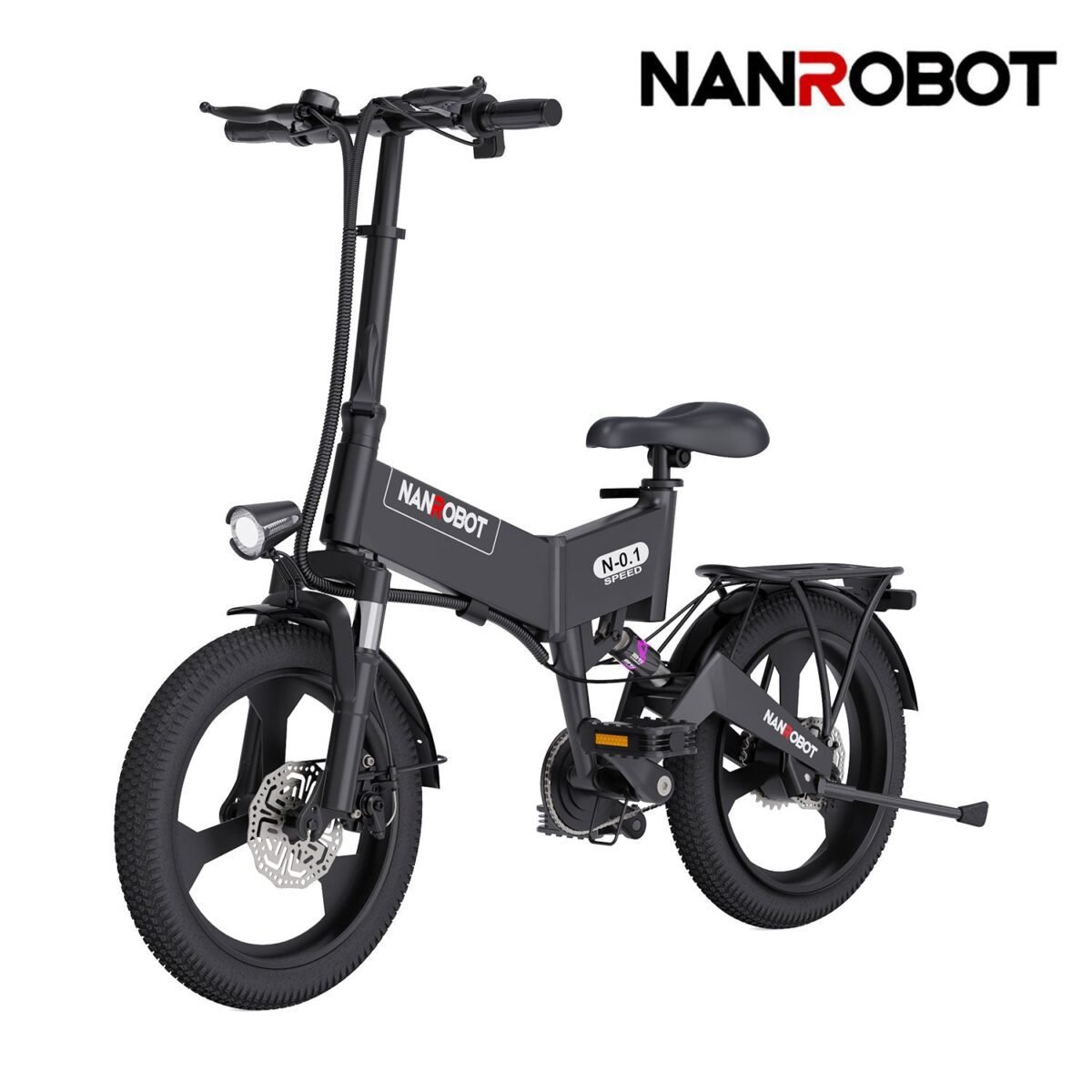
25 mph · 40 mi range · 350 W · carries 265 lb
Most US states use a three-class system. Class 1 e-bikes assist only while you pedal and stop assisting at 20 mph. Class 2 adds a throttle, also capped at 20 mph. Class 3 assists while pedalling up to 28 mph. We list the class only when the maker states it. Several moped-style e-bikes on this page are rated above 28 mph by their makers and fall outside the class system; treat those as a different category when you check local rules.
Commuter e-bikes are the everyday choice: upright position, fenders, lights and a rack. Fat tire e-bikes run 4-inch-wide tires that float over sand, snow and loose ground and soak up bumps. Folding e-bikes collapse at the frame for storage and transport. Moped-style e-bikes keep pedals but add a long bench seat, a low frame and more power; they are the most motorbike-like option here. Use the E-bike style filter above to narrow the grid.
Hub motors from 500W to 750W handle most commuting; higher-power motors suit hills and heavier riders. Battery size in watt-hours sets range more than anything else. A 48V pack in the 500–700 Wh range typically covers a daily commute with charge to spare; check the maker’s rated range on each product and plan for less with hills, headwinds and throttle-only riding.
Sort the grid by top speed or range, or open two product pages side by side to compare class, top speed, rated range and motor power from the spec rows. Prices are always live on the product page.
Battery and charger safety certifications differ by maker. Where a maker publishes a certificate for its e-bike system, we show it on the product page.
A Class 2 e-bike has a throttle and assists up to 20 mph. A Class 3 e-bike assists only while you pedal and goes up to 28 mph. Some models can switch between classes; we list the class as the maker states it.
Class 1 and 2 e-bikes assist to 20 mph and Class 3 to 28 mph. Some moped-style e-bikes are rated higher by their makers. The top speed is on every product page.
For Class 1, 2 and 3 e-bikes, most states do not require a license, but rules vary and faster moped-style models may be treated differently. Check your state and city rules before you ride.
Fat tires give grip and comfort on sand, snow, gravel and rough paths, at the cost of extra weight and rolling resistance on pavement. For mostly paved riding, standard tires are lighter and more efficient.
Typically 20 to 60 miles depending on battery size, assist level, terrain and rider weight. Makers rate range in the lowest assist mode; expect less with throttle-heavy riding.