California electric scooter laws and e-bike rules, in plain words
California sorts e-bikes into three classes and gives motorized scooters their own rules. Here is what the CHP and the DMV say, as of October 2026.
Pay in 4 at 0% APRLearn more
Order by 2 PM ET · ships in 1–2 business days
14-day returns on ridesSee the policy
Wisconsin treats e-bikes and electric scooters as vehicles on the road, with no license or registration, and leaves sidewalks to local rules. Here is what WisDOT, the State Patrol and the DNR say.
The short answer
Wisconsin electric scooter laws are light on paperwork. WisDOT says state law does not require a driver’s license for an electric scooter, and scooters cannot be titled or registered with the DMV. On the road, e-bikes and electric scooters are vehicles that follow the same traffic laws, and sidewalk riding is allowed only where local ordinances permit it. An e-bike has working pedals and a motor of 750 watts or less; no license or registration is needed, and riders under 16 may not ride a class 3. State trails follow DNR rules, with a 15 mph limit.
Every rule here comes from Wisconsin state agencies. We used the Wisconsin DMV page “Motorcycle, moped and other two-wheeled motorized vehicles” from the Wisconsin Department of Transportation (WisDOT), the Wisconsin State Patrol’s March “Law of the Month” on e-bike and electric scooter safety published by WisDOT in 2026, and the Department of Natural Resources (DNR) page on state bicycle trails. These pages cite the Wisconsin Statutes, mainly chapters 340, 346, 347 and 349.
This is general information, not legal advice. WisDOT itself says local ordinances may add requirements. Check WisDOT, the DNR and your city or county before you buy or ride.
WisDOT lists the electric standup scooter, a scooter with a handlebar, among the two-wheeled vehicles it explains. Its rules are short:
The State Patrol also reminds drivers to give e-bikes and electric scooters at least three feet when passing, and points riders to lights and reflectors after dark (statute 347.489). It recommends a helmet and other protective gear. Our electric scooter helmets guide covers fit and safety marks.
| Model | Top speed (mph) | Range (miles) | Motor power (W) |
|---|---|---|---|
| Segway F2 Electric Scooter | 18 | 25 | 350 |
| Segway E2 Pro Electric Scooter | 18.6 | 24.9 | 350 |
| Segway F3 Electric Scooter | 20 | 44 | 450 |
| DriveTron DT01 Electric Scooter | 17 | 25 | 400 |
| NAVEE G5 Electric Scooter | 20 | 28 | 400 |
Maker figures, checked November 2026. Real range and speed depend on rider weight, terrain, temperature and riding mode.
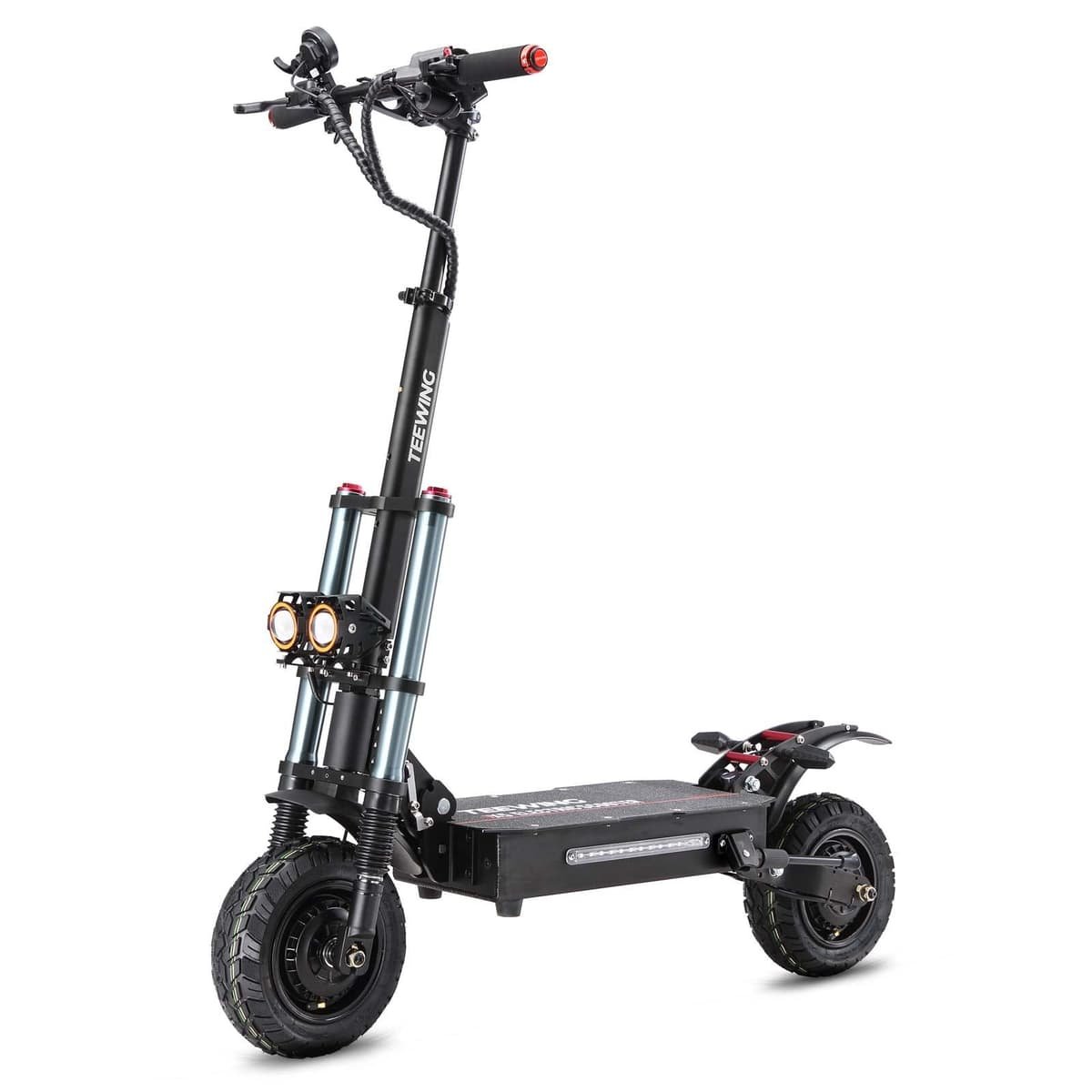
The Segway F2 tops out at about 18 mph, weighs 37.9 lb and has front and rear turn signals, which help when you share a lane with cars. The NAVEE G5 reaches 20 mph and adds turn signals and Apple Find My. Browse every model in our electric scooters collection.
WisDOT defines electric bicycles as bicycles equipped with fully operative pedals and an electric motor of 750 watts or less (statute 340.01(15ph)). WisDOT says throttle assist stops at 20 mph and pedal assist at 28 mph, and e-bikes come in class 1, 2 and 3. Our guide e-bike classes explained explains how the classes work.
| Model | Top speed (mph) | Range (miles) | Motor power (W) |
|---|---|---|---|
| Gyroor EB262 Electric Bike | 20 | 50 | 550 |
| Gyroor EB263 Electric Bike | 20 | 50 | 550 |
| Hiboy C1 Folding Electric Bike | 20 | 26.2 | 648 |
| Gyroor C33 Folding Electric Bike | 18.6 | 28 | 450 |
| Phantom P14 Foldable Electric Bike | 15 | 20 | 350 |
Maker figures, checked November 2026. Real range and speed depend on rider weight, terrain, temperature and riding mode.
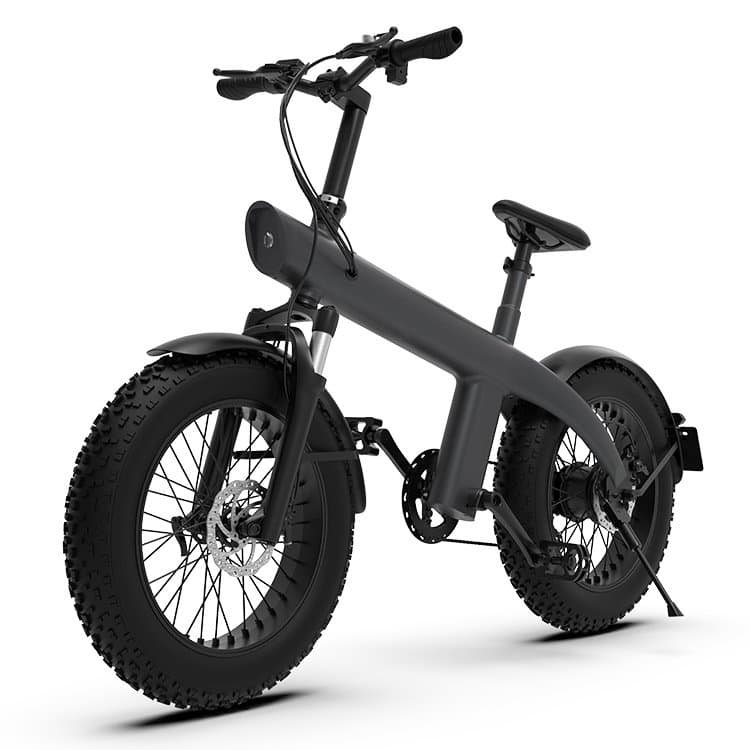
The Gyroor EB262 is a 26-inch bike with a 550 W motor, 20 mph and a listed weight of 49 lb, with UL 2849 for its battery per Gyroor. The Hiboy C1 folds, rides on 14-inch tires and lists 20 mph on both the throttle and pedal assist. Buying for a teen? Pick a bike that is not class 3, since riders under 16 may not ride one. See more in our electric bikes collection.
The DNR sets the rules on state trails, and they are stricter than the road rules. Its bicycle trails page says:
The DNR page names class 1 and class 3 and does not list class 2, so check the trail table before you take a throttle bike onto a state trail.
Every rule above assumes the ride you bought is the ride you are riding. A bike changed to go faster, or a scooter with its limiter removed, may no longer fit the category its rules were written for. Never unlock a speed limit, change the controller or modify the battery. For faults, power off, follow the maker’s manual, send battery, controller, brake and wiring work to a qualified technician, and see our warranty page for covered faults.
Charging indoors through a Wisconsin winter? Read our e-bike battery fire safety guide before you plug in.
Past the e-bike and scooter categories, WisDOT’s rules get stricter. A moped has an engine built into the vehicle: under 50cc with an automatic transmission, or up to 130cc for a bicycle-type moped with working pedals. WisDOT says:
WisDOT also says mini bikes, mini motorcycles and pocket rockets are not intended for use on roadways, and the DMV does not license or register them. Our electric dirt bikes are in the same spirit: every bike on our electric dirt bikes page is for off-road use only, on private land or at a riding park. See street legal electric dirt bikes for what road use takes.
This is general information, not legal advice. It reflects the WisDOT, State Patrol and DNR sources named above as of November 2026. Check WisDOT, the DNR and your local ordinances before you ride.
Comparing states? Our hub of electric scooter laws by state links every state guide, and our neighbor guide to Minnesota electric scooter laws covers the rules across the river. For the questions to ask anywhere, see electric scooter laws: what to check. Orders ship free to the lower 48 states, and you can split the cost with Pay in 4 at 0% APR or monthly payments with Affirm, subject to approval.
No. WisDOT says state law does not require a driver’s license for an electric scooter, and scooters cannot be titled or registered with the Wisconsin DMV.
Only where local ordinances allow it. Where they do, you must yield the right-of-way to pedestrians and give an audible signal when passing.
Only class 3 has an age limit: riders must be at least 16. The State Patrol says class 3 is the only class with an age restriction.
No. WisDOT says the Wisconsin DMV does not title or register electric bikes, and no driver’s license is needed to ride one.
On many of them. The DNR allows class 1 and class 3 e-bikes on the bicycle trails it marks as open to them, with a 15 mph limit, and any e-bike with the motor off on all bicycle trails.
California sorts e-bikes into three classes and gives motorized scooters their own rules. Here is what the CHP and the DMV say, as of October 2026.
Connecticut rewrote its e-bike and scooter definitions on October 1, 2025. Here is what CTDOT and the state's official summary of Public Act 25-159 say about classes, helmets, trails, scooters and motor-driven cycles.
Sidewalk rules for electric scooters change from state to state and city to city, and many places ban riding there outright. Here is what New York's law and NYC DOT say, how to find your local rule, where to ride instead and how to share space with people on foot.
30+ brands and 200+ models, with free shipping to the 48 contiguous states. Stuck between two? Our AI assistant answers calls and texts any time at (240) 916-2471.