California electric scooter laws and e-bike rules, in plain words
California sorts e-bikes into three classes and gives motorized scooters their own rules. Here is what the CHP and the DMV say, as of October 2026.
Pay in 4 at 0% APRLearn more
Order by 2 PM ET · ships in 1–2 business days
14-day returns on ridesSee the policy
Washington, DC sorts small electric rides by weight, wheel size and motor speed. Here is what the DC Code, DDOT and the DC DMV say about e-bikes, electric scooters, heavier devices, mopeds and dirt bikes.
The short answer
DC electric scooter laws start with weight. The DC Code calls a scooter under 75 pounds, no wider than 24 inches and no longer than 55 inches an electric mobility device; ride it at or under DDOT’s speed limit and in a protected bike lane where one is available and safe. At 75 pounds or more it is a personal mobility device: registered, 10 mph at most, riders 16 and up. DDOT says a legal e-bike is under 750 watts, pedals, weighs 100 pounds or less and tops out at 20 mph on the motor; no license is needed, but riders must be 16.
Every rule here comes from District of Columbia government sources. We used the DC Code as published by the DC Council (sections 50-2201.02, 50-2201.03c, 50-2201.04a and 50-2201.04b), the District Department of Transportation’s “District of Columbia E-Bike Guide” (2024), and the DC DMV’s Non-Traditional Motor Vehicles page with its chart “Synopsis of Non-Traditional Motor Vehicles, Other Vehicles and DC Law” (revised March 24, 2021).
This is general information, not legal advice. Rules change, and federal land such as the National Mall has its own managers. Check DDOT, the DC DMV and the current DC Code before you buy or ride.
The DC Code does not use the word “scooter.” It sorts small electric rides into two groups, and weight decides which one yours is in.
The Code says neither counts as a motor vehicle. For an electric mobility device, section 50-2201.03c sets two rules for every rider: do not go faster than the speed limit set by the DDOT Director, and ride in a protected bike lane if one is available and safe. The Code does not print that number, so check DDOT.
| Model | Top speed (mph) | Range (miles) | Motor power (W) |
|---|---|---|---|
| Segway F2 Electric Scooter | 18 | 25 | 350 |
| Segway E2 Pro Electric Scooter | 18.6 | 24.9 | 350 |
| Hiboy S2 Lite Electric Scooter for Teens | 13 | 10.6 | 400 |
Maker figures, checked November 2026. Real range and speed depend on rider weight, terrain, temperature and riding mode.
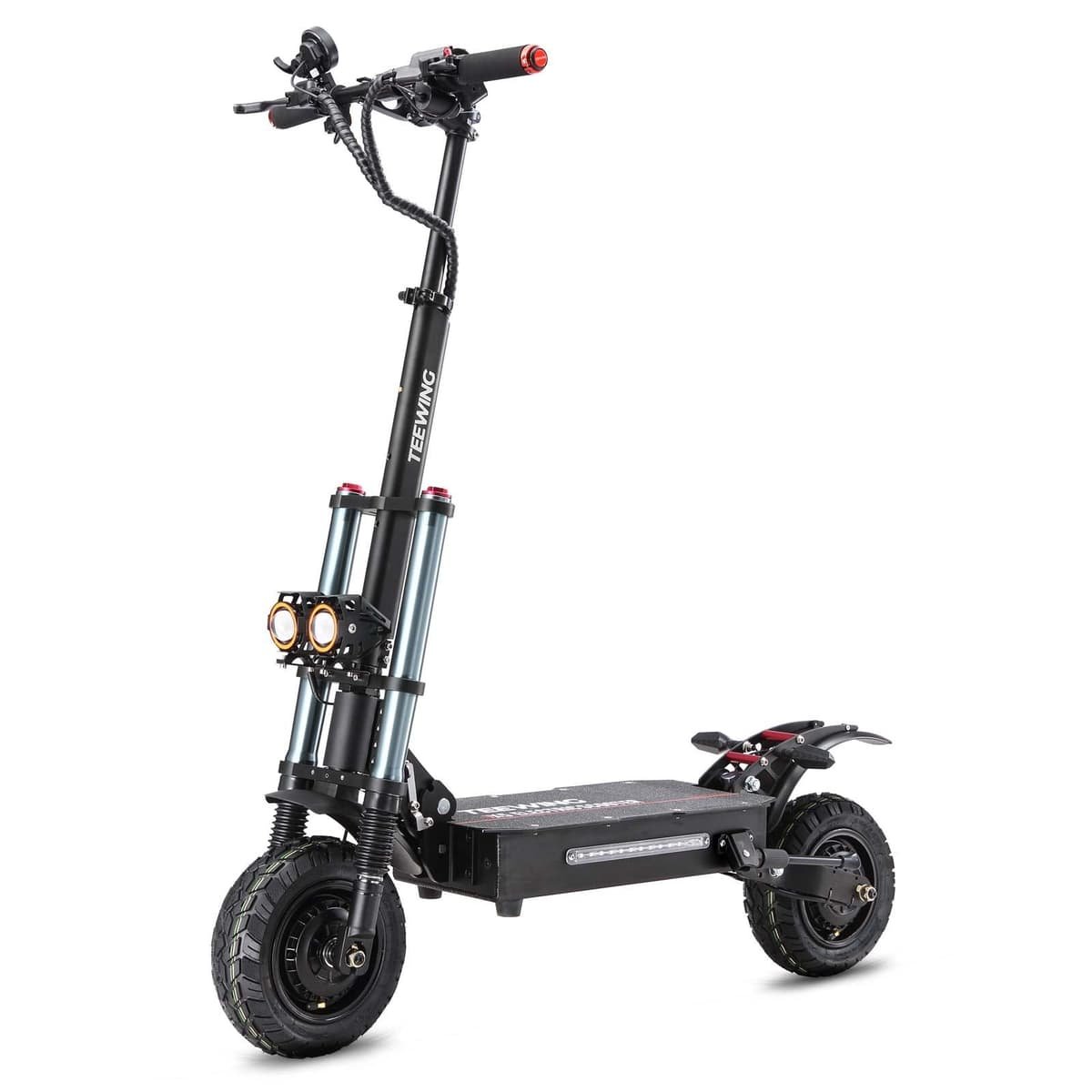
The Segway F2 lists a net weight of 37.9 lb and the Segway E2 Pro 41.4 lb, both listed to UL 2272 per Segway. The Hiboy S2 Lite weighs 21.8 lb and lists an unfolded size of 43.3 x 17.7 x 42.5 inches, inside the width and length limits. Browse every model in our electric scooters collection.
Many fast scooters weigh well over 75 lb, and on the Code’s wording that makes them personal mobility devices. Section 50-2201.04a says a personal mobility device may not be operated:
If you live in DC and want a heavy scooter, ask the DC DMV how to register it before you buy, and keep it as the maker built it: never unlock a speed limiter or change the controller. For faults, power off, follow the maker’s manual and see our warranty page. Rental scooters follow their own rules in section 50-2201.03c, including a minimum age of 16, no passengers and no sidewalks in the Central Business District.
DDOT’s E-Bike Guide sums up DC law this way: an e-bike is legal if its motor is under 750 watts, it tops out at 20 mph on a level surface on the motor alone, it weighs no more than 100 lb, and it has operable pedals. DDOT adds that DC treats riders of legal e-bikes on roads much like other bicycle riders.
The DC Code’s term is motorized bicycle: a two or three wheeled vehicle with a post-mounted seat or saddle for each rider, wheels at least 16 inches in diameter, fully operative pedals, and a motor that cannot push it past 20 mph on level ground. The DMV’s chart adds two limits worth knowing:
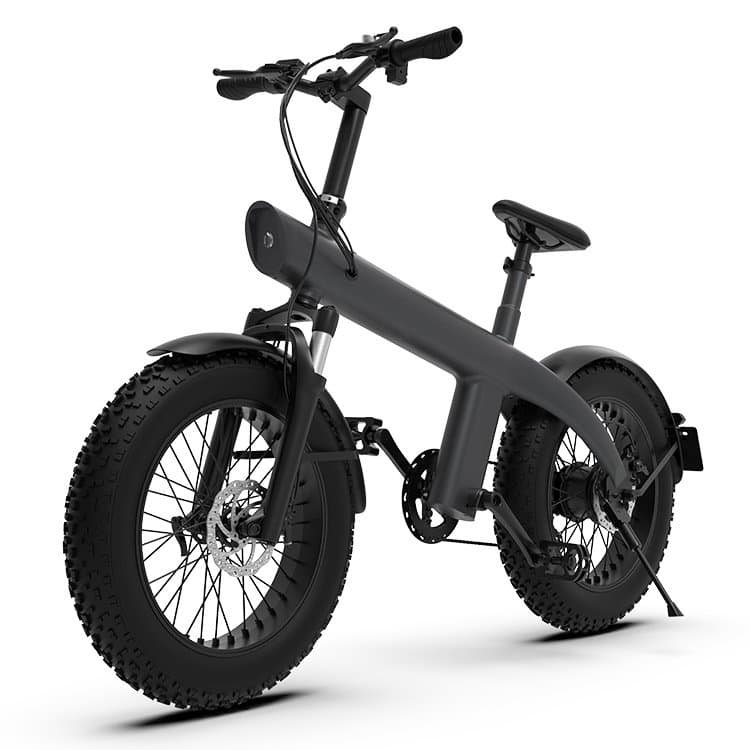
The Gyroor EB262 rides on 26-inch wheels with a 550 W motor, a 20 mph top speed and a listed weight of 49 lb, and Gyroor lists UL 2849 for its battery. Note the 16-inch wheel rule: many folding e-bikes use 14-inch wheels, so ask the DC DMV how a small-wheel folder is treated before you buy one for DC. DDOT’s guide uses the same three classes as most states; see e-bike classes explained.
Our electric scooter helmets guide explains fit and safety marks, and the advice applies to e-bikes too. DDOT also tells owners never to tamper with an e-bike’s battery, motor or electrical system.
Bike lanes: the DMV chart lists motorized bicycles as permitted in bike lanes, and electric mobility devices must use protected bike lanes where available and safe.
Sidewalks: DDOT’s 2024 guide says riding on sidewalks is allowed except in the Central Business District, as long as you yield to pedestrians and give an audible signal when passing. The DMV’s 2021 chart, though, lists motorized bicycles as not permitted on sidewalks. With the two sources split, ask DDOT before you ride one.
Trails: DDOT says class 1 and class 3 e-bikes are currently permitted wherever bikes are allowed at Rock Creek Park and the National Mall. On natural trails, access varies: e-bikes may be barred from trails marked non-motorized, and some trails allow class 1 only.
The DC DMV describes a motor-driven cycle as a ride with a seat, two or three wheels and a gas, electric or hybrid motor of up to 50cc or its equivalent, with a top speed of 30 mph. It needs:
The DMV says to keep one out of bike lanes, trails, sidewalks (except to park outside the Central Business District), bus lanes and highways such as 395, 295 or 695.
Dirt bikes are a different story in DC. Section 50-2201.04b makes it unlawful to ride, park, stand or stop an ATV or dirt bike on public property, including any public space in the District, except while loading it to take it out of DC or onto private property. ATVs and dirt bikes cannot be registered with the DMV, and a bike ridden in violation can be forfeited. Every bike on our electric dirt bikes page is for off-road use only, on private land or at a riding park outside public space. See street legal electric dirt bikes for what road use takes.
This is general information, not legal advice. It reflects the DC Code, DDOT and DC DMV sources named above as of November 2026. Check DDOT, the DC DMV, the current DC Code and any park’s own rules before you ride.
Comparing places? Our hub of electric scooter laws by state links every state guide, and electric scooter laws: what to check lists the questions to ask anywhere. Heading north? See Pennsylvania electric scooter laws. Charging at home? Read e-bike battery fire safety. Orders ship free to the lower 48 states, and you can split the cost with Pay in 4 at 0% APR or monthly payments with Affirm, subject to approval.
Yes. The DC Code treats a scooter under 75 lb that fits within 24 x 55 inches as an electric mobility device, not a motor vehicle. Riders must follow DDOT’s speed limit and use a protected bike lane where one is available and safe.
On the Code’s wording it is a personal mobility device. Section 50-2201.04a says it must be registered, is limited to 10 mph and to riders 16 or older, and is barred from Central Business District sidewalks.
No. DDOT says a legal e-bike needs no license or insurance, but the rider must be at least 16. Riders over 16 are not required to wear a helmet, though DDOT strongly recommends one.
Not on public property. DC Code section 50-2201.04b bans dirt bikes and ATVs from all public property in the District, and the DMV cannot register them.
California sorts e-bikes into three classes and gives motorized scooters their own rules. Here is what the CHP and the DMV say, as of October 2026.
Connecticut rewrote its e-bike and scooter definitions on October 1, 2025. Here is what CTDOT and the state's official summary of Public Act 25-159 say about classes, helmets, trails, scooters and motor-driven cycles.
Sidewalk rules for electric scooters change from state to state and city to city, and many places ban riding there outright. Here is what New York's law and NYC DOT say, how to find your local rule, where to ride instead and how to share space with people on foot.
30+ brands and 200+ models, with free shipping to the 48 contiguous states. Stuck between two? Our AI assistant answers calls and texts any time at (240) 916-2471.