California electric scooter laws and e-bike rules, in plain words
California sorts e-bikes into three classes and gives motorized scooters their own rules. Here is what the CHP and the DMV say, as of October 2026.
Pay in 4 at 0% APRLearn more
Order by 2 PM ET · ships in 1–2 business days
14-day returns on ridesSee the policy
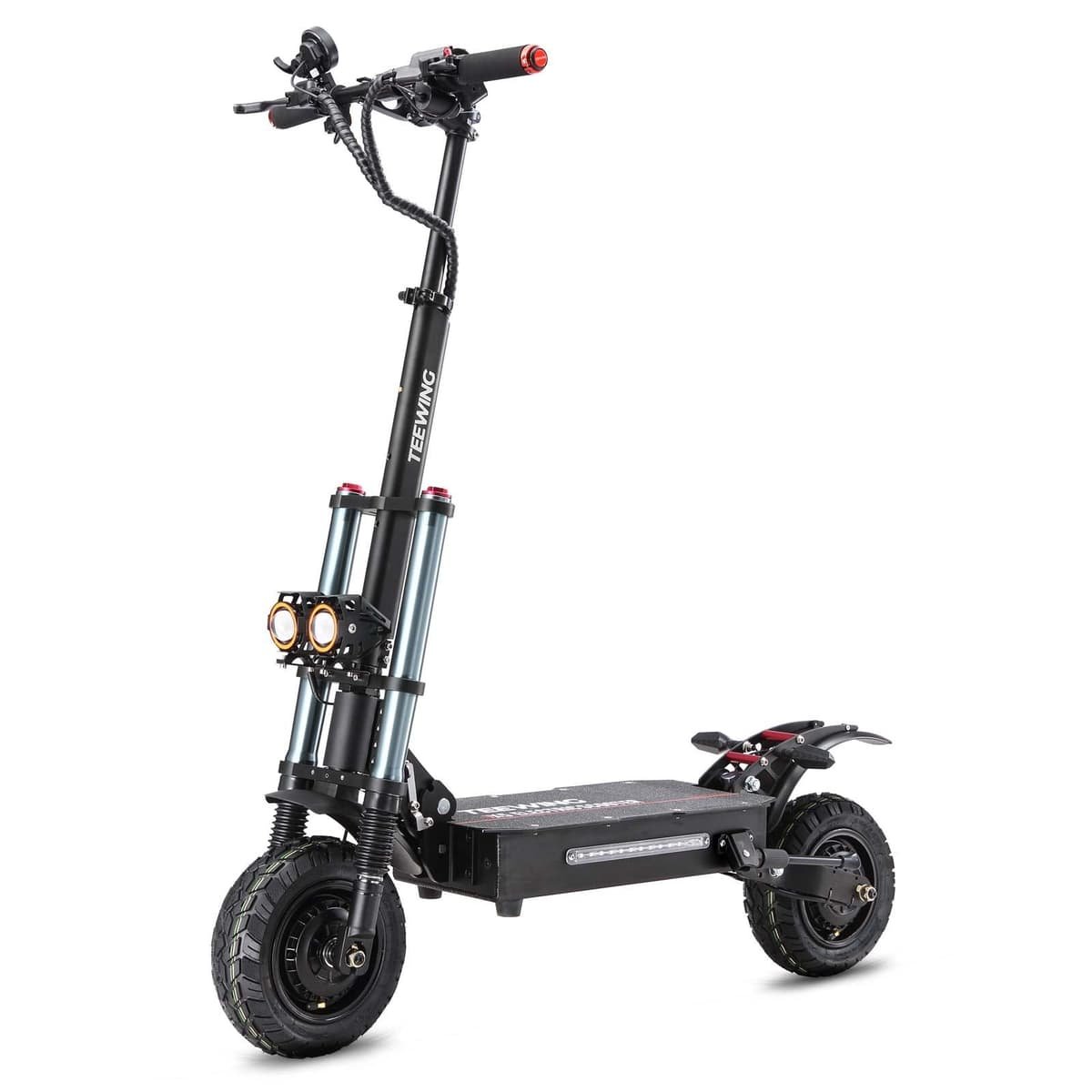
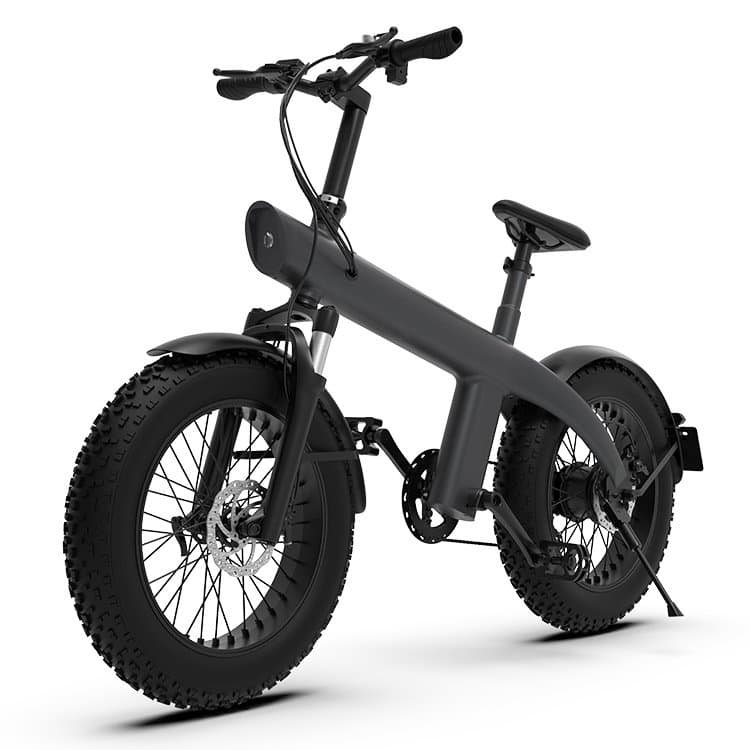
Ohio sorts e-bikes into three classes and calls electric scooters low-speed micromobility devices. Here is what the Ohio Department of Transportation says about classes, ages, paths and sidewalks.
The short answer
Ohio electric scooter laws treat a personal electric scooter as a low-speed micromobility device: the Ohio Department of Transportation (ODOT) says that is a device under 100 pounds, with handlebars, powered by an electric motor or human power, that generally does not go over 20 mph on the motor. An e-bike has fully operable pedals, a motor of less than 750 watts and one of three classes. You must be at least 16 to ride a class 3 e-bike or to rent a micromobility device, no bicycle or micromobility device may use the interstate, and cities can add their own rules.
Every rule here comes from the Ohio Department of Transportation’s “E-Bike Information” sheet, ODOT’s plain-language summary of how Ohio law treats e-bikes and low-speed micromobility devices such as electric scooters. Where ODOT is silent, we say so rather than guess.
The sheet covers classes, the electric scooter definition, ages and where you can ride. It does not cover helmets, licenses, registration or speed limits, so check those with the Ohio Bureau of Motor Vehicles (BMV) and your city before you ride.
This is general information, not legal advice. State law can change, and Ohio cities and villages can adopt stricter rules. Check ODOT, the Ohio BMV and your local government for the current rules before you buy or ride.
ODOT says every Ohio e-bike is a bicycle equipped with fully operable pedals and an electric motor of less than 750 watts, and it must fit one of three classes:
Note the wording: less than 750 watts. A bike rated at exactly 750 W, or one without working pedals, does not fit ODOT’s description. Check the class on the maker’s label and listing before you buy. Our guide e-bike classes explained covers how the class system works across the US.
| Model | Top speed (mph) | Range (miles) | Motor power (W) |
|---|---|---|---|
| Phantom P14 Foldable Electric Bike | 15 | 20 | 350 |
| Gyroor C33 Folding Electric Bike | 18.6 | 28 | 450 |
| Gyroor EB262 Electric Bike | 20 | 50 | 550 |
| Gyroor EB263 Electric Bike | 20 | 50 | 550 |
| Hiboy C1 Folding Electric Bike | 20 | 26.2 | 648 |
Maker figures, checked November 2026. Real range and speed depend on rider weight, terrain, temperature and riding mode.
The Gyroor EB263 lists a 550 W motor and a 20 mph top speed with UL 2849 certification, and the Phantom P14 a 350 W motor and 15 mph, also with UL 2849. Browse every model in our electric bikes collection.
ODOT says e-bikes should not be confused with motorized bicycles, or mopeds, although both are vehicles under Ohio law. The ODOT sheet does not set out moped rules, so if your ride does not fit one of the three e-bike classes, ask the Ohio BMV how it is treated before you ride it on public roads.
The practical advice is simple. Keep the bike as the maker sold it, with its class label in place, and never unlock speed limits or change the controller. For faults, power off, follow the maker’s manual and see our warranty page; battery, controller, brake and wiring work belongs with a qualified technician.
ODOT defines a low-speed micromobility device as a device that weighs less than 100 pounds, has handlebars, is propelled by an electric motor or human power, and generally does not go over 20 mph with the electric motor. ODOT names electric scooters as one of the most popular types, and notes that some Ohio cities allow scooter rentals while many people own their own.
So the two numbers to check on any scooter are its weight and its top speed on the motor. A heavy, fast performance scooter that weighs 100 lb or more, or goes well past 20 mph, is outside that description.
| Model | Top speed (mph) | Range (miles) | Motor power (W) |
|---|---|---|---|
| Segway F2 Electric Scooter | 18 | 25 | 350 |
| Segway E2 Pro Electric Scooter | 18.6 | 24.9 | 350 |
| DriveTron DT01 Electric Scooter | 17 | 25 | 400 |
| Segway F3 Electric Scooter | 20 | 44 | 450 |
| NAVEE V25 Pro Electric Scooter | 20 | 15.5 | 600 |
Maker figures, checked November 2026. Real range and speed depend on rider weight, terrain, temperature and riding mode.
The Segway F2 lists UL 2272 certification and an 18 mph top speed. See every model in our electric scooters collection, and our guide electric scooter laws: what to check for the questions to ask in any state.
The ODOT sheet does not set an age for riding a privately owned electric scooter, so check your city’s rules before a younger rider uses one.
ODOT is clear on one point: no bicycle or micromobility device is allowed on the interstate in Ohio. Beyond that, it depends on the class and the path:
For more on where riding is allowed, ODOT’s advice is to check the laws for the area where you will be riding. Our guide to riding an electric scooter on the sidewalk explains why so many cities say no.
The ODOT sheet does not cover helmets, driver’s licenses, registration or insurance for e-bikes or electric scooters. Do not assume either way: ask the Ohio BMV and your city, especially for a class 3 e-bike or a seated scooter.
Whatever the law says for your ride, wear a helmet on every trip. Our electric scooter helmets guide explains fit and safety marks, and the advice applies to e-bikes too.
An electric dirt bike is not an e-bike or a micromobility device. It has no pedals and goes far past 20 mph, so it fits neither of ODOT’s descriptions. Every bike on our electric dirt bikes page is for off-road use only, on private land or at a riding park. See street legal electric dirt bikes for what road use takes in general.
This is general information, not legal advice. It reflects ODOT’s “E-Bike Information” sheet as read in November 2026. Check current state rules and your city’s rules before you ride.
Compare other states in our electric scooter laws by state guide, or read our Pennsylvania electric scooter laws guide if you ride across the border. Orders ship free to the lower 48 states, and on rides priced $2,000 or less you can split the cost with Pay in 4 at 0% APR (four payments over six weeks) or a monthly plan with Affirm, subject to approval.
Ohio treats them as low-speed micromobility devices. ODOT describes that as a device under 100 lb, with handlebars, powered by an electric motor or human power, that generally does not go over 20 mph on the motor. Cities can add their own rules, so check yours.
ODOT says you must be at least 16 to operate a class 3 e-bike or to rent a micromobility device. Its sheet sets no age for class 1 or class 2 e-bikes.
ODOT says state law lets you ride a bicycle or e-bike on the sidewalk only if the motor is not engaged, and local municipalities may adopt stricter rules.
Generally not on shared use paths that are not next to a roadway, per ODOT. Class 1 and class 2 e-bikes are generally allowed on bike lanes, sidepaths and shared use paths unless local laws say otherwise.
No. ODOT says no bicycle or micromobility device is allowed on the interstate in Ohio.
California sorts e-bikes into three classes and gives motorized scooters their own rules. Here is what the CHP and the DMV say, as of October 2026.
Connecticut rewrote its e-bike and scooter definitions on October 1, 2025. Here is what CTDOT and the state's official summary of Public Act 25-159 say about classes, helmets, trails, scooters and motor-driven cycles.
Sidewalk rules for electric scooters change from state to state and city to city, and many places ban riding there outright. Here is what New York's law and NYC DOT say, how to find your local rule, where to ride instead and how to share space with people on foot.
30+ brands and 200+ models, with free shipping to the 48 contiguous states. Stuck between two? Our AI assistant answers calls and texts any time at (240) 916-2471.