California electric scooter laws and e-bike rules, in plain words
California sorts e-bikes into three classes and gives motorized scooters their own rules. Here is what the CHP and the DMV say, as of October 2026.
Pay in 4 at 0% APRLearn more
Order by 2 PM ET · ships in 1–2 business days
14-day returns on ridesSee the policy
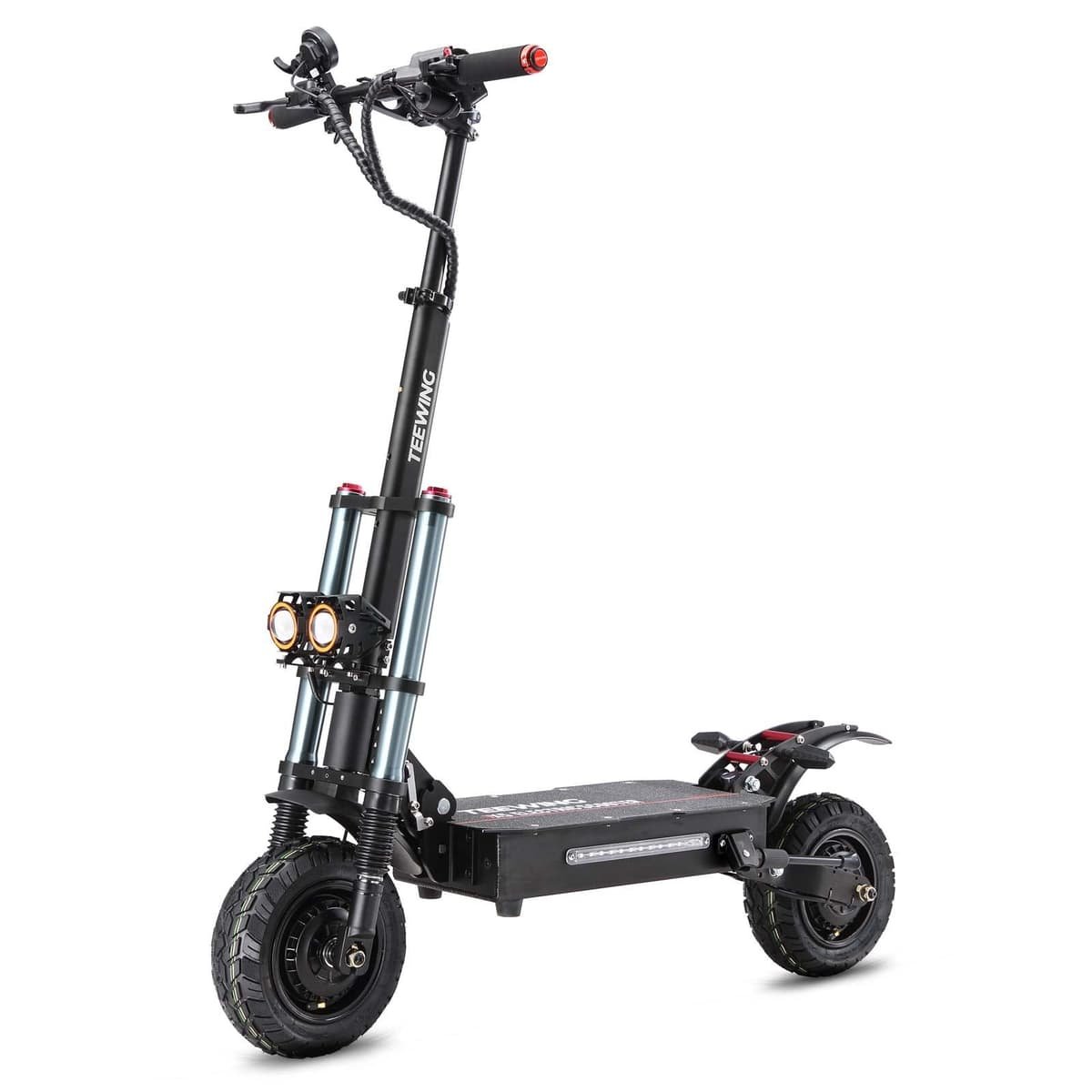
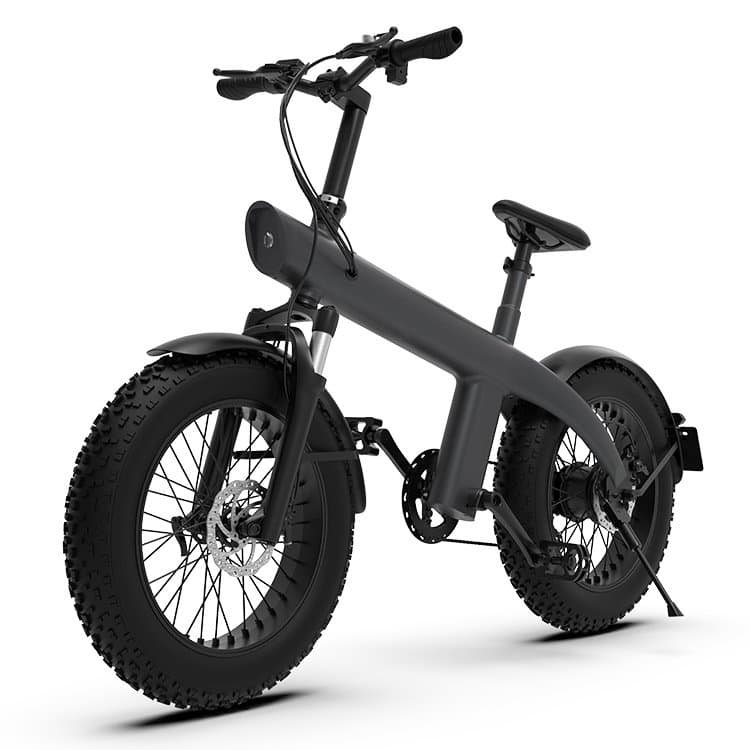
Arizona gives e-bikes and electric standup scooters the rights and duties of a bicycle rider and exempts them from plates and licenses. Here is what Title 28 of the Arizona Revised Statutes says.
The short answer
Arizona electric scooter laws come from Title 28 of the Arizona Revised Statutes. An electric standup scooter weighs less than 75 pounds, has two or three wheels, handlebars and a floorboard to stand on, and tops out at 20 mph. An e-bike has fully operable pedals and an electric motor of less than 750 watts, in class 1, 2 or 3. Both riders have the rights and duties of a bicycle rider and need no title, registration, driver license or insurance. Class 1, class 2 and standup scooters may use bike and multiuse paths unless banned there, and cities and towns can add their own rules.
Every rule here comes from the Arizona Revised Statutes (A.R.S.), read on the Arizona State Legislature’s official site. We used Title 28 sections 28-101 (definitions), 28-812 (traffic laws for bicycle riders), 28-819 (electric bicycles and electric standup scooters) and 28-2513 (mopeds).
This is general information, not legal advice. Section 28-819 lets local authorities regulate e-bikes and standup scooters, and the law changes. Check the Arizona Department of Transportation (ADOT), the current statutes and your city or town before you buy or ride.
Arizona defines two kinds of electric scooter in section 28-101. An electric standup scooter is a device that:
An electric miniature scooter is smaller: under 30 pounds, with a top speed of no more than 10 mph. Neither one counts as a motor vehicle, a moped or a motor driven cycle under section 28-101.
Note the 75 lb line. It is lower than the 100 lb limit many states use, so check the listed weight before you buy. Section 28-819 also says an electric standup scooter must carry a unique identification of letters or numbers, or both, visible from at least five feet away.
| Model | Top speed (mph) | Range (miles) | Motor power (W) |
|---|---|---|---|
| NAVEE GT3 Max Electric Scooter | 20 | 46.6 | 400 |
| NAVEE GT3 Electric Scooter | 20 | 31 | 350 |
| Segway F2 Electric Scooter | 18 | 25 | 350 |
| Hiboy S2 Pro Electric Scooter | 19 | 25 | 600 |
| NAVEE V25 Pro Electric Scooter | 20 | 15.5 | 600 |
Maker figures, checked November 2026. Real range and speed depend on rider weight, terrain, temperature and riding mode.
The NAVEE GT3 Max lists a 20 mph top speed and a net weight of 50.7 lb. The Segway F2 lists 18 mph and 37.9 lb. See every model in our electric scooters collection, and read electric scooter laws: what to check before you buy anywhere.
Section 28-101 defines an electric bicycle as a bicycle or tricycle with fully operable pedals and an electric motor of less than 750 watts, in one of three classes:
Note the words less than 750 watts. A bike rated at exactly 750 W sits on the line, so read the listed motor rating and the bike’s class label. Our guide e-bike classes explained covers how the classes work across the US.
| Model | Top speed (mph) | Range (miles) | Motor power (W) |
|---|---|---|---|
| Gyroor EB263 Electric Bike | 20 | 50 | 550 |
| Gyroor EB262 Electric Bike | 20 | 50 | 550 |
| Gyroor C33 Folding Electric Bike | 18.6 | 28 | 450 |
| Hiboy C1 Folding Electric Bike | 20 | 26.2 | 648 |
| Hiboy EX6F Foldable Low-Step Electric Bike | 20 | 75 | 500 |
Maker figures, checked November 2026. Real range and speed depend on rider weight, terrain, temperature and riding mode.
The Hiboy EX6F is a foldable low-step fat tire bike with a 500 W rated motor, 20 mph on the throttle and up to 25 mph on pedal assist, per Hiboy. The Gyroor C33 folds and lists a 450 W motor and 18.6 mph. Browse our electric bikes.
Labels. Since January 1, 2019, section 28-819 has required makers and distributors to fix a permanent label to each e-bike showing its class number, top assisted speed and motor wattage. Keep the bike as the maker sold it, never unlock speed limits, and for faults power off, follow the maker’s manual and see our warranty page.
Section 28-819 gives the rider of an e-bike or an electric standup scooter all the rights and duties of a person riding a bicycle. Unless that section says otherwise or a local authority regulates them, both follow the same Title 28 rules as a bicycle.
The statutes we used do not set a statewide minimum age or helmet rule for e-bikes or standup scooters, so check your city or town, especially for younger riders. Our electric scooter helmets guide explains fit and safety marks, and a helmet is a smart habit on every ride.
Section 28-819 sets path access by type:
Sidewalk rules come from your city or town, so check them before you ride, and see our guide to riding an electric scooter on the sidewalk.
A ride that is faster or more powerful may be a moped or a motor driven cycle. Section 28-101 defines a moped as a bicycle with a helper motor of 50cc or less, 1.5 brake horsepower or less and a top speed of 25 mph or less on a flat surface. E-bikes and electric scooters are not mopeds. Per section 28-2513:
A motor driven cycle is a motorcycle, including a motor scooter, with a motor of no more than five horsepower; e-bikes and electric scooters are excluded. Ask ADOT’s Motor Vehicle Division about registration, insurance and licensing for these. Our electric dirt bikes are a separate case: every bike on our electric dirt bikes page is for off-road use only, on private land or at a riding park.
This is general information, not legal advice. It reflects the Arizona Revised Statutes sections named above as of November 2026. Check ADOT and your city or town’s current rules before you ride.
Riding north? Read our sibling guide to Colorado electric scooter laws, or compare every state in electric scooter laws by state. Orders ship free to the lower 48 states, and you can split the cost with Pay in 4 at 0% APR or monthly payments with Affirm, subject to approval.
Yes. Arizona defines an electric standup scooter as under 75 lb with handlebars, a floorboard and a top speed of 20 mph or less. Section 28-819 gives its rider the rights and duties of a bicycle rider, and local authorities may add rules.
No. Section 28-819 exempts e-bikes and electric standup scooters from title, registration, vehicle license tax, driver license and vehicle insurance requirements.
Section 28-101 defines an electric bicycle as having an electric motor of less than 750 watts, fully operable pedals and class 1, 2 or 3 assistance that stops at 20 or 28 mph.
Only if the path is within or next to a highway or roadway, or the authority in charge of the path allows it, under section 28-819. Class 1 and class 2 may use paths unless banned there.
California sorts e-bikes into three classes and gives motorized scooters their own rules. Here is what the CHP and the DMV say, as of October 2026.
Connecticut rewrote its e-bike and scooter definitions on October 1, 2025. Here is what CTDOT and the state's official summary of Public Act 25-159 say about classes, helmets, trails, scooters and motor-driven cycles.
Sidewalk rules for electric scooters change from state to state and city to city, and many places ban riding there outright. Here is what New York's law and NYC DOT say, how to find your local rule, where to ride instead and how to share space with people on foot.
30+ brands and 200+ models, with free shipping to the 48 contiguous states. Stuck between two? Our AI assistant answers calls and texts any time at (240) 916-2471.