Electric scooter with seat: who it suits and how to choose one
A seat turns an electric scooter into something you can ride for longer without tired legs. It also adds weight and changes how the ride feels. Here is how to choose.
Pay in 4 at 0% APRLearn more
Order by 2 PM ET · ships in 1–2 business days
14-day returnsSee the policy
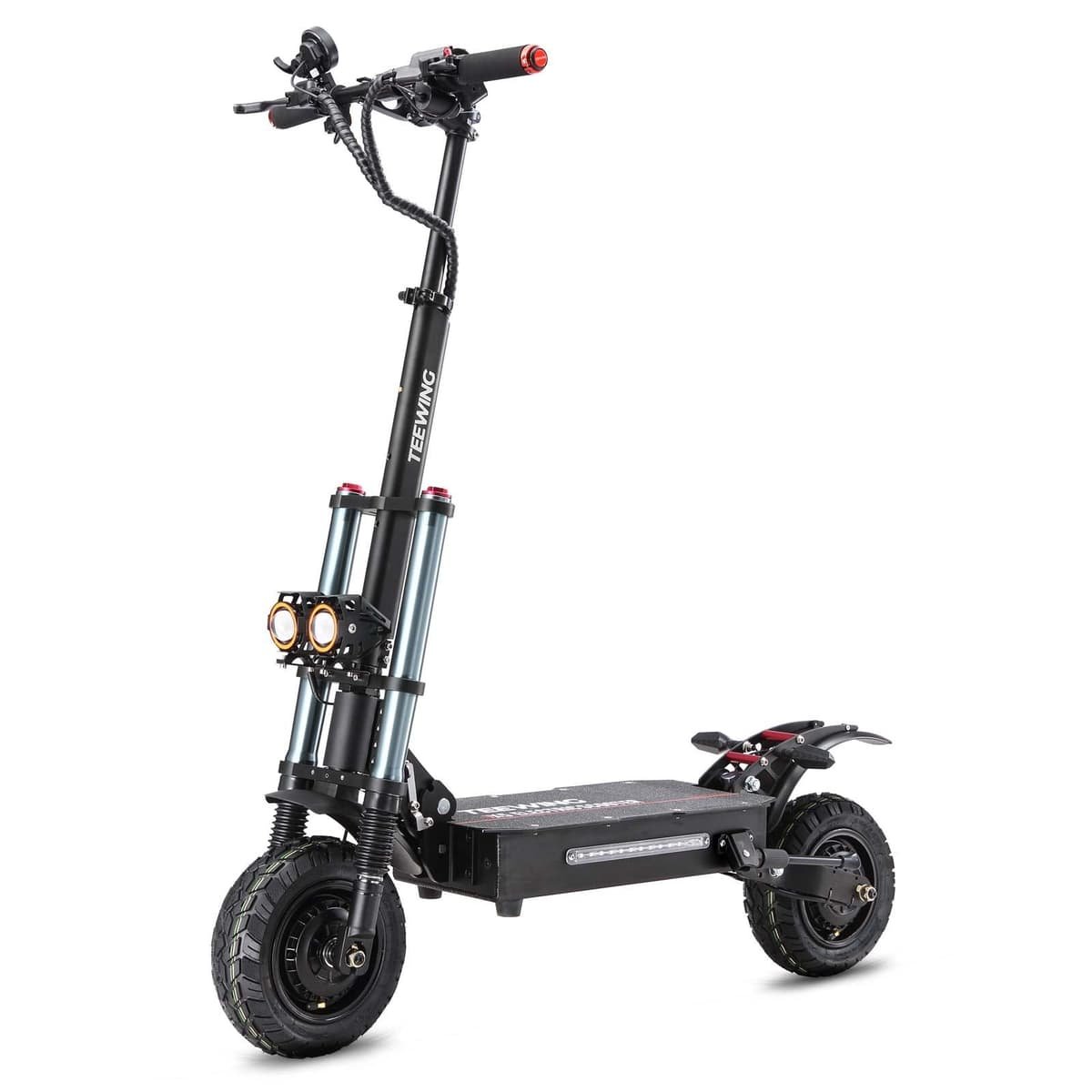
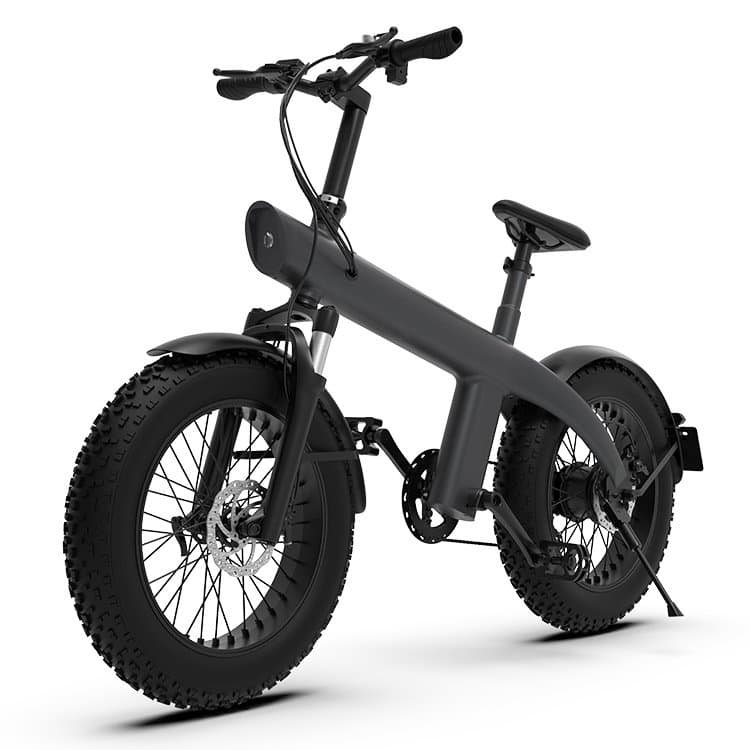
The sensor decides how the motor answers your pedals. One gives a steady push, the other matches your effort, and each suits a different rider.
The short answer
Torque sensor vs cadence sensor is about how pedal assist responds to you. A cadence sensor switches the motor on when the pedals turn and gives a set amount of help for each assist level, so the bike does much of the work with little effort. A torque sensor measures how hard you press, so the help rises and falls with your effort and feels like a regular bicycle with stronger legs. Choose cadence for easy, relaxed riding, and torque for a natural feel, fine control in traffic and smooth climbing.
Pedal assist needs a way to know you are pedaling. The sensor is that link, and it shapes how an electric bike feels more than almost any other part.
Many torque sensor systems also track cadence, so they know how fast and how hard you are pedaling. With either type, the brake levers on most electric bikes cut the motor the moment you pull them.
Cadence: a steady push. Start pedaling and, after a short pause, the motor comes in at the level you set. Keep the cranks turning gently and the bike holds its pace with very little effort from you. Stop pedaling and the help fades after a moment. On a low assist level it feels like a tailwind. On a high one it can feel like the bike is carrying you along.
Torque: stronger legs. The help arrives as soon as you press, so starts feel smooth and immediate. The bike speeds up when you push and settles when you relax, the way a regular bicycle does, only easier. Riders who come from road or mountain bikes usually find it the more natural of the two.
Where you notice the difference:
A cadence sensor suits you if:
A torque sensor suits you if:
A throttle works with either sensor. If an electric bike has a throttle, it moves the bike without pedaling no matter which sensor it uses. Where a throttle is allowed depends on the class of the bike and your state and city rules. See e-bike classes explained for how the classes work.
These listings name the pedal sensor. Many other models do not, so ask us if it matters to you.
Torque sensor
Cadence sensor
Torque or cadence
| Model | Top speed (mph) | Range (miles) | Motor power (W) |
|---|---|---|---|
| Segway Myon Electric Bike | 28 | 80 | 1,500 |
| Hiboy EX11 Full Suspension Electric Bike | 20 | 100 | 880 |
| Hiboy EX9 Urban Commuter Electric Bike | 20 | 62 | 750 |
| Segway MUXI Electric Bike | 23 | 80 | 750 |
| Segway MUXI Pro Electric Bike | 28 | 73 | 750 |
| ASAP Zen Folding Electric Bike | 28 | 35 | 500 |
| ASAP Varna Electric Bike | 30 | 45 | 750 |
| ASAP Pioneer Folding Electric Bike | 30 | 40 | 750 |
Maker figures, checked September 2026. Real range and speed depend on rider weight, terrain, temperature and riding mode.
The sensor and the motor work as a team. A torque sensor makes a mid-drive feel natural, and it smooths out a hub motor too. Read hub vs mid drive motor for the motor side of the choice.
Think about how you want the ride to feel. For a relaxed ride where the bike carries you, a cadence sensor is easy to live with. For a ride that feels like cycling with help, choose a torque sensor. Riders who want easy mounting and simple controls may also like our guide to choosing an electric bike for seniors.
For the other big decisions, read how to choose an electric bike, then browse every model in the electric bike shop. Every order ships free to the lower 48 states, and you have 14 days to return an order.
It depends on the ride you want. A torque sensor feels more natural and gives finer control. A cadence sensor gives a steady push with less effort and usually comes on lower priced models.
Often, because the motor only adds as much help as your effort calls for. Real range still depends on rider weight, hills, assist level, temperature and how much you use the throttle.
Usually not easily. The sensor has to match the motor and controller, so it is best to choose the sensor you want when you buy.
For pedal assist, yes, but only lightly: the pedals just need to turn. If the bike has a throttle, it can move the bike without pedaling where your local rules allow.
A torque sensor adds help as you push harder, which feels smooth on climbs. With a cadence sensor, raise the assist level or shift to a lower gear before the hill starts.
A seat turns an electric scooter into something you can ride for longer without tired legs. It also adds weight and changes how the ride feels. Here is how to choose.
Three wheels mean no balancing at a stop, a seat and room for shopping. They also mean a wider, heavier machine that corners differently. Here is how to decide.
Teens sit between kids bikes and full size adult bikes, and the right choice depends on height, weight and experience more than age. Here is how the teen-friendly models we carry compare.
30+ brands and 200+ models, with free shipping to the 48 contiguous states. Stuck between two? Our AI assistant answers calls and texts any time at (240) 916-2471.