Drum brake vs disc brake electric scooter: which one suits your riding
Drums hide inside the wheel and ask almost nothing of you. Discs sit in the open, bite harder and need a little care. Here is how to pick between them.
Extra 10% off select rides with code RIDE10Ends Nov 1
On select Wilson's, DriveTron, Punk and JOYOR ridesOne code per order
Pay in 4 at 0% APRLearn more
Order by 2 PM ET · ships in 1–2 business days
14-day returnsSee the policy
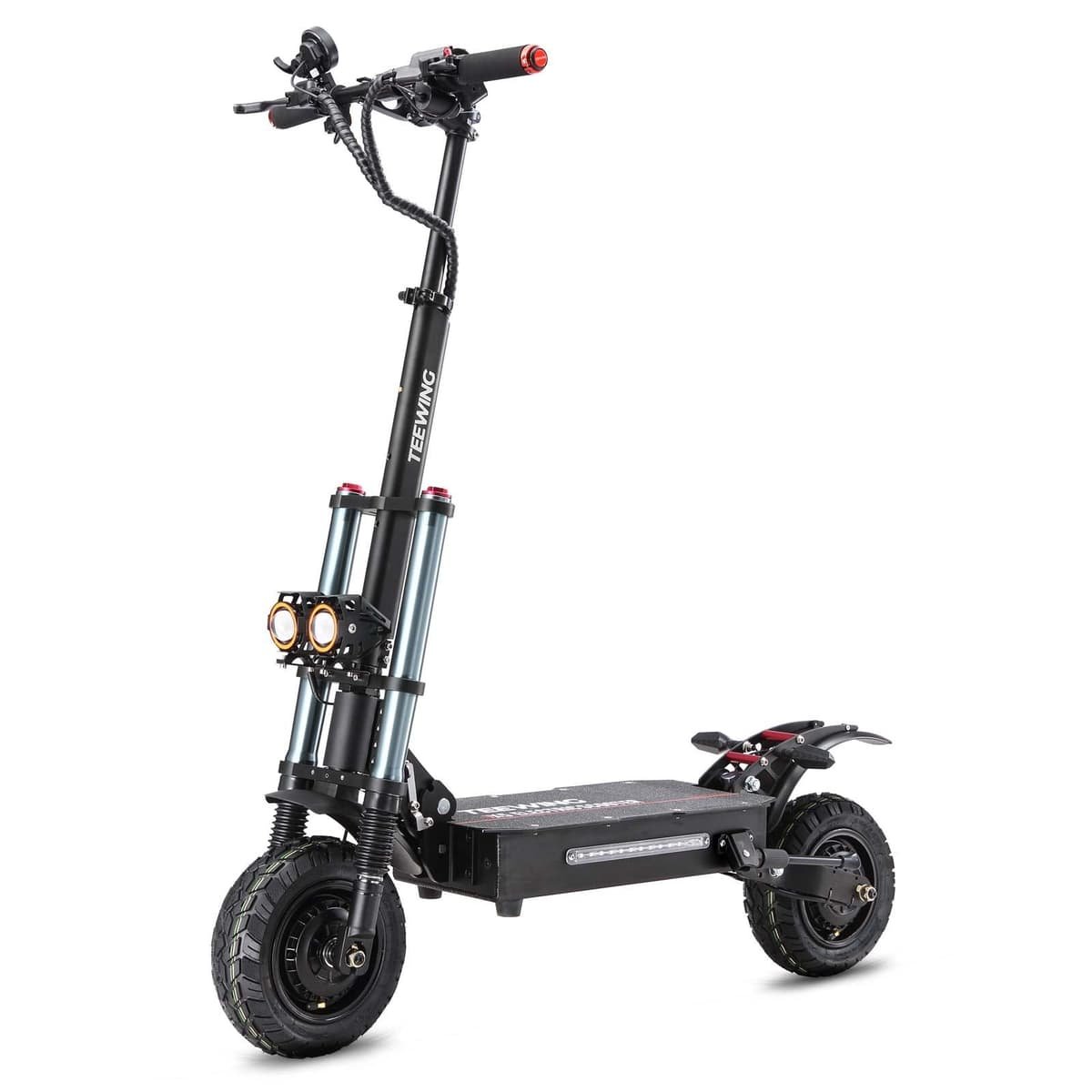
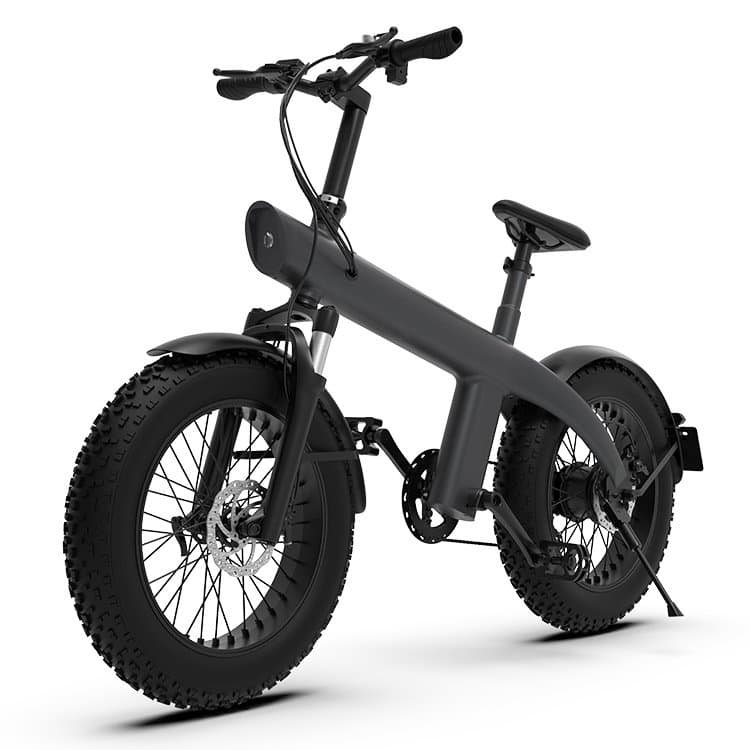
Regenerative braking turns the motor into a small generator when you slow down. It saves brake wear and returns a little charge, but it never replaces a friction brake.
The short answer
Electric scooter regenerative braking uses the motor as a generator when you brake or ease off the throttle. The wheel spins the motor, the motor resists, and the controller sends part of that energy back into the battery. It gives smooth, wear free slowing and saves your pads and shoes, but the charge it returns is small, so treat it as a bonus, not a range booster. It also weakens at low speed and with a full or cold battery, which is why it always works alongside a friction brake.
An electric motor and a generator are the same machine run in opposite directions. When you ride, the battery pushes current into the motor and the motor turns the wheel. When you brake, the controller flips the job: the spinning wheel turns the motor, the motor makes current, and the controller sends part of it back into the battery.
Making that current takes effort, and the effort is what slows you down. That is why the scooter feels as if an invisible hand is holding it back. Makers use different names for it: regenerative braking, regen, electronic braking, EABS, E-ABS, EBS or KERS. Not every electronic brake returns charge. Some only use the motor to slow the wheel, so check the listing if energy recovery matters to you.
Regen is a motor brake, not a friction brake. For how it fits beside drum, disc and foot brakes, read our guide to electric scooter brakes. For the friction side of the choice, see our sibling guide on drum vs disc brakes.
Scooters trigger regenerative braking in two main ways, and many use both.
Your manual shows exactly how your model does it, and whether the strength can be changed.
Less than most people hope. Energy is lost at every step: in the tires, the motor, the controller and the battery itself. Only part of the energy you had while moving comes back, and you only recover anything when you slow down.
That means the gain depends on how you ride:
To put it in context, E-TWOW lists a consumption of 20.9 Wh per mile for the dual motor E-TWOW TankTorq TK2, which pairs EBS with energy recovery and front and rear discs. The bigger levers on range are your speed, your weight, tire pressure and temperature, as our guide to real electric scooter range explains. Buy for the battery, and count regen as a small bonus.
If the range gain is small, why do so many makers fit it? Because the other benefits are real:
Regenerative braking is never the only brake you should rely on. It has three built in limits:
It also depends on the electrical system working. If the battery or controller has a fault, the motor brake may not work at all. That is why every scooter here pairs it with at least one friction brake, and why you should practice stopping with the friction brakes alone.
Do not try to raise regen beyond the maker’s settings, or change the controller or battery to get more of it. Those changes can damage the battery and leave you with brakes that behave unpredictably. Power off and follow the maker’s manual. Battery, controller and brake faults belong with a qualified technician, and our warranty page explains what is covered.
Here is how makers describe regenerative braking on scooters we carry:
| Model | Top speed (mph) | Range (miles) | Motor power (W) |
|---|---|---|---|
| E-TWOW GT SL Electric Scooter | 23 | 22 | 500 |
| E-TWOW Booster ES Electric Scooter | 19 | 19 | 500 |
| E-TWOW GT Sport Electric Scooter | 26 | 25 | 500 |
| E-TWOW TankTorq TK2 Lite Electric Scooter | 25 | 28 | 600 |
| E-TWOW TankTorq TK2 Dual Motor Electric Scooter | 25 | 28 | 600 |
| Hiboy S2 Pro Electric Scooter | 19 | 25 | 600 |
| Hiboy S2 MAX Electric Scooter | 19 | 40 | 650 |
| AOTOS E3 Electric Scooter | 20 | 28 | 650 |
| Dualtron Eagle Pro Electric Scooter | 40 | 50 | – |
Maker figures, checked September 2026. Real range and speed depend on rider weight, terrain, temperature and riding mode.
Shopping for a scooter with energy recovery? Browse our electric scooter collection and check the brakes line on each listing. Every order ships free to the lower 48 states. You can split the cost with Pay in 4 at 0% APR on scooters priced $2,000 or less, or choose a monthly plan with Affirm, subject to approval, on our financing page.
Yes, a little. When you brake, the motor works as a generator and the controller sends part of that energy back to the battery. The amount is small, so it extends range modestly at best, mostly in stop and go riding and on descents.
No. Motor braking fades at low speed, can weaken with a full or cold battery, and needs the electrical system to work. Every scooter needs at least one friction brake, such as a drum or disc.
A full battery cannot take more charge, so many controllers soften regenerative braking near the top of the charge. Use your friction brakes as normal. The motor brake usually firms up again once the charge drops a little.
Not when it runs within the maker’s settings. The controller and battery management system limit how much current goes back in. Problems come from modified controllers or batteries, so never change either.
On some scooters, yes, through the display settings or the app. Others have it fixed. Check your manual, and keep both friction brakes in good order whichever way you ride.
Drums hide inside the wheel and ask almost nothing of you. Discs sit in the open, bite harder and need a little care. Here is how to pick between them.
Parking a scooter for the cold months takes about an hour, and doing it right means it starts in spring with a healthy battery. Here is the full layup routine, the monthly check, and the spring restart.
Charging an electric bike takes a minute of your time and a few hours of the charger's. Here is a simple routine, what decides how long it takes, how to charge a removable battery, and the signs that mean stop.
30+ brands and 200+ models, with free shipping to the 48 contiguous states. Stuck between two? Our AI assistant answers calls and texts any time at (240) 916-2471.