Talaria vs Surron: how the two electric dirt bike lineups compare
Talaria and Surron cover similar ground in different ways. The real differences are battery size, weight, how many power steps each lineup offers, and which models come road legal.
Pay in 4 at 0% APRLearn more
Order by 2 PM ET · ships in 1–2 business days
14-day returnsSee the policy
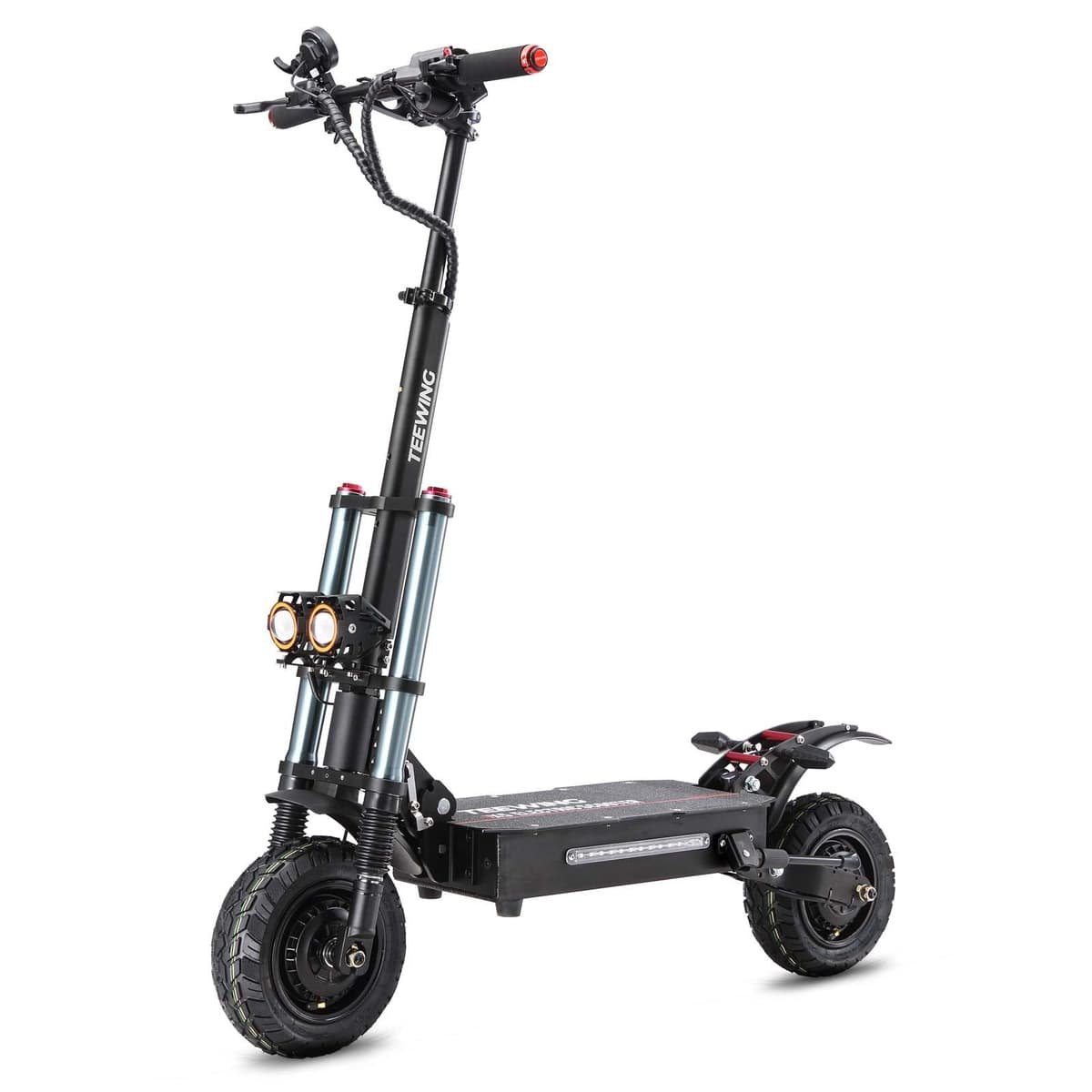
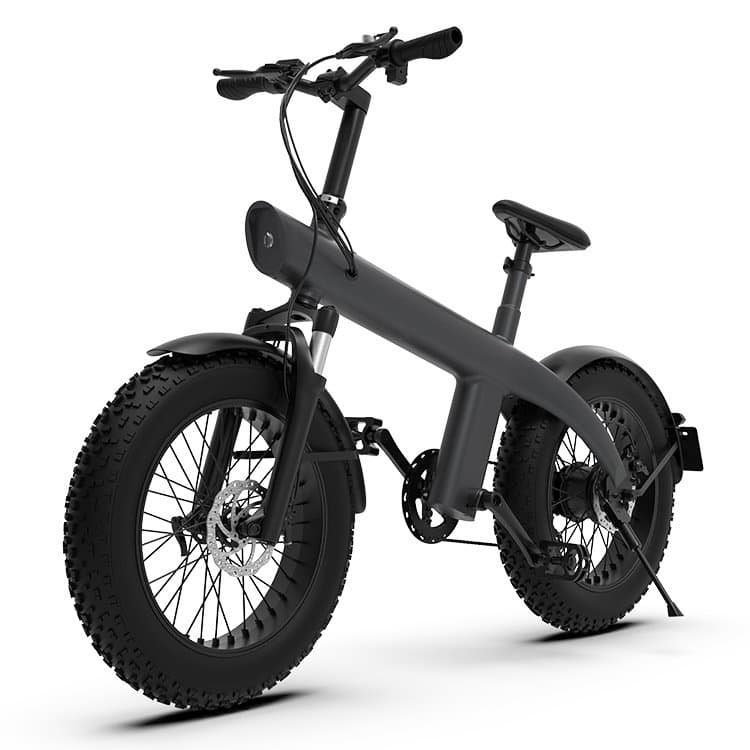
A gas bike refuels in minutes and an electric one charges for hours. Almost everything else, from noise to upkeep to the way the power arrives, leans the other way.
The short answer
In the electric vs gas dirt bike choice, electric wins on noise, upkeep and easy power: no clutch or gears, strong pull from a standstill, and no oil, filters, spark plugs or fuel. Gas wins on refueling, which takes minutes instead of hours, and on long days far from a plug. Running costs usually lean electric, with the battery as the big long term item. Both are off-road vehicles in most places, but the quiet bike draws far fewer noise complaints.
Most of the differences come from one fact: an electric motor has very few moving parts, and a gas engine has hundreds.
Riders who switch to electric mention the quiet first. You hear the chain, the tires on the dirt and your riding partner talking. The Talaria Sting R Off-Road and Sting MX5 Pro both use a quiet gearbox motor.
A practice loop on your own land bothers the neighbors far less. Many riding parks set a maximum sound level for exhausts, and many public trail systems require a spark arrestor on gas bikes. An electric bike has no exhaust at all, though a park’s own rules for electric bikes still apply.
Quiet cuts both ways. Hikers, horses and other riders will not hear you coming. Slow down for blind corners and give everyone room. Our guide to where to ride an electric dirt bike covers trail manners in more detail.
A gas dirt bike asks for regular engine work. The usual list includes:
An electric dirt bike has none of that. Some bikes add a gearbox between the motor and the chain, as the Talaria Sting family does, so check your manual for a gearbox oil interval.
The rest of the bike wears the same way on both. Chain and sprockets, tires, brake pads and fluid, suspension service, bearings and bolts all need attention. Electric torque arrives hard and early, which loads the chain and rear tire. Electric bikes also add two jobs of their own: battery care, and washing without a pressure washer near the electronics. The full routine is in electric dirt bike maintenance.
An electric motor pulls hard from zero, with no clutch to slip and no gear to choose. Many electric dirt bikes have a single-speed drive, including the Talaria Sting R MX4 2024 and the Talaria Dragon 2025. You twist and go, and you cannot stall.
That pull can be fierce. Talaria lists 0 to 60 mph in 4.5 seconds for the Komodo 2025, and E Ride Pro lists 0 to 30 mph in about 2 seconds for the PRO 4.0. Ride modes keep it manageable: the Komodo has Eco, Sport, Hyper and Reverse, and the road legal Sting L3E has Eco and Sport.
Instead of engine braking, some electric bikes use regenerative braking, which slows the bike and sends a little energy back to the battery. The Talaria Sting MX3 lets you adjust it.
A gas engine builds power as it revs. The rider works the clutch and gear lever to stay in the powerband. It takes longer to learn, and experienced riders often like the control a clutch gives on steep, technical climbs. For a first bike, the electric learning curve is much gentler, as electric dirt bikes for beginners explains.
This is where gas still leads. Fuel goes in at a pump or from a can in a few minutes, and a spare can keeps you riding all day.
Electric range depends on battery size and how fast you ride, and each maker tests at its own speed. Talaria rates the Dragon at up to 93 miles at 15.5 mph and the Sting R at up to 75 miles at 15.5 mph. Surron rates the Light Bee X at 46.6 miles at about 25 mph. Real trail riding uses more energy than those tests, as electric dirt bike range explains.
| Model | Top speed (mph) | Range (miles) | Motor power (W) |
|---|---|---|---|
| Nanrobot GTR Electric Dirt Bike | 36 | 38 | 2,000 |
| NAVEE Storm X Electric Dirt Bike | 53.1 | 75 | 10,000 |
| Talaria Sting R Off-Road Electric Dirt Bike | 53 | 75 | 8,000 |
| E Ride Pro PRO 4.0 Electric Dirt Bike | 60 | 64 | 7,000 |
| Talaria Komodo 2025 Electric Dirt Bike | 66 | 71.5 | 32,000 |
| Talaria Dragon 2025 Electric Dirt Bike | 70 | 93 | 28,000 |
Maker figures, checked September 2026. Real range and speed depend on rider weight, terrain, temperature and riding mode.
Running costs usually favor electric. In most places a full charge costs far less than a tank of fuel, and there is no oil, premix, filters, plugs or coolant to buy.
Spreading the cost of a new bike is easy with Pay in 4 at 0% APR or monthly payments with Affirm.
In most places, an electric dirt bike follows the same rules as a gas one. Both are usually treated as off-road motorcycles, so streets, sidewalks and bike paths are off limits unless the bike is registered for the road. Being electric does not make a dirt bike an electric bicycle, and a trail open to electric bicycles is not automatically open to an electric dirt bike.
Where electric helps is goodwill. A quiet bike on private land or at a riding park causes fewer complaints, though local noise and nuisance rules still apply. Many states also ask for an off-highway registration or a trail permit for either type, so check your state rules before you ride.
If you want one bike for the street and the trail, the Talaria Sting L3E Road Legal and Talaria Sting R Road Legal are sold as road legal. You still title, register and insure them under your state rules.
Ready to compare models? Browse the electric dirt bike shop, and gear up first with our guide to electric dirt bike gear. Every order ships free to the lower 48 states.
Many are quick. Makers list 70 mph for the Talaria Dragon 2025 and the E Ride Pro SR, and 75+ mph for the Altis Sigma with its 18-inch rear wheel. Range drops quickly at high speed, so fast riding shortens the day.
Yes. There is no engine oil, air filter, spark plug, coolant or fuel system. The chain, tires, brakes, suspension and bearings still need regular checks on both types.
Refueling a gas bike takes a few minutes. Charging takes hours: about 1.5 hours for the Talaria Komodo and about 3 hours for the Talaria Sting R, by the makers’ figures. A swappable spare battery gets you back out sooner.
Not automatically. Most places treat electric dirt bikes as off-road motorcycles, under the same rules as gas bikes. Ask the landowner, park or land manager before you ride.
It usually costs less to run, with cheaper energy and no engine service. The battery is the main long term cost, and good charging habits stretch its life.
Talaria and Surron cover similar ground in different ways. The real differences are battery size, weight, how many power steps each lineup offers, and which models come road legal.
The Light Bee X and the Ultra Bee HP SW share a name and a forged aluminium frame, and not much else. Here is how far apart they sit, and where the smaller Hyper Bee fits.
Three Bees, three sizes. Here is how the Hyper Bee, Light Bee X and Ultra Bee HP SW compare on power, battery, weight, fit and price band, and which rider each one suits.
30+ brands and 200+ models, with free shipping to the 48 contiguous states. Stuck between two? Our AI assistant answers calls and texts any time at (240) 916-2471.