Teewing electric scooters compared: GT, X, Z4 Pro and Mars models
Teewing makes a 22 lb backpack scooter and a 72V Mars XTR, and plenty in between. Here is how the lineup is laid out and which model suits which rider.
Pay in 4 at 0% APRLearn more
Order by 2 PM ET · ships in 1–2 business days
14-day returnsSee the policy
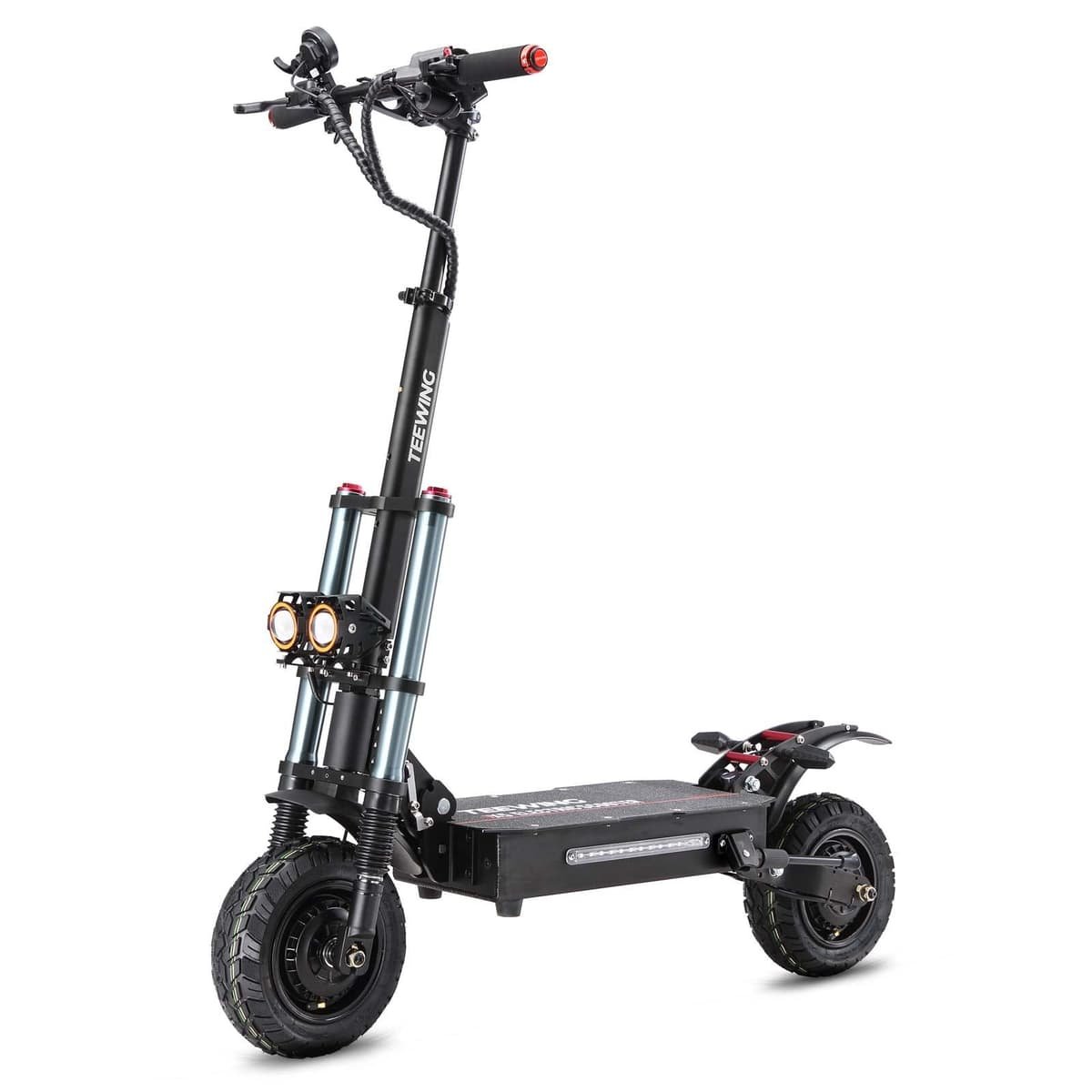
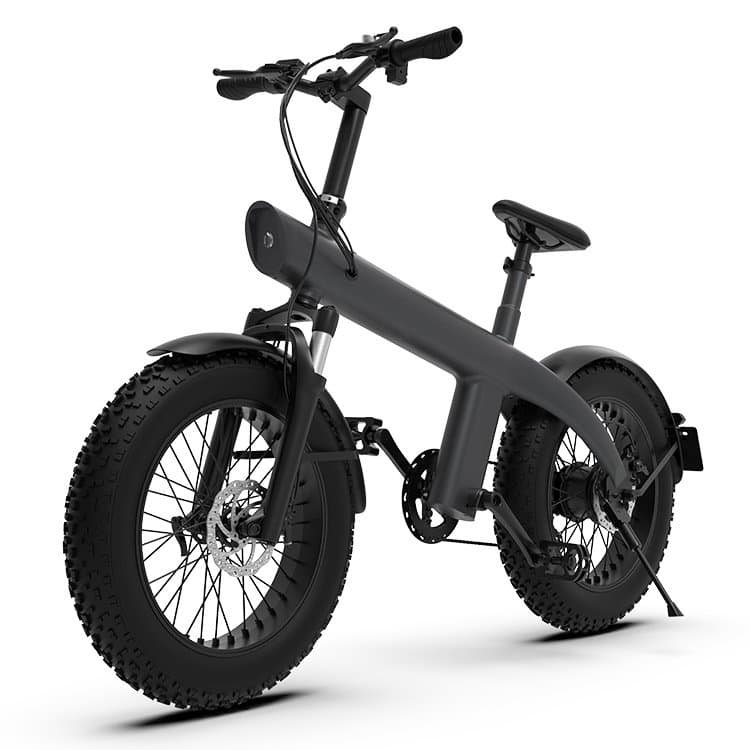
A gas scooter refuels in minutes. An electric one is quieter, needs far less upkeep and costs a fraction as much per mile. Here is the full comparison, with the cost math worked through.
The short answer
In the gas scooter vs electric scooter choice, electric wins on noise, upkeep, running cost and storage: no oil, spark plugs or fuel, almost no sound, and well under a cent of electricity per mile in our worked example, against several cents of fuel per mile for gas. Gas wins on refueling, which takes minutes instead of hours, and on long days far from an outlet. The rules differ too: gas scooters often fall under moped rules, while many states give electric scooters their own class. We sell only electric rides.
A gas scooter usually means one of two things. A seated gas scooter, often sold as a moped, has a small engine, a step-through body and a seat. A stand-up gas scooter puts a small engine on a deck with handlebars.
Electric scooters come in the same two shapes: stand-up models that fold, and seated models such as the Gyroor C1 Plus and the Hiboy Q2. We sell only electric rides, so every example here comes from our electric catalog.
An electric scooter makes a motor hum, some tire noise and little else. A gas engine has an exhaust note you hear well before it arrives, and it gives off fumes wherever it runs. Small two-stroke engines also burn oil mixed into the fuel, which adds smoke and smell.
Quiet riding is easier on neighbors early and late, and a scooter with no fuel tank or exhaust can come indoors. Many electric models fold and are light enough to carry: the E-TWOW GT Sport weighs 29.3 lbs and the Segway Max G3 54.2 lbs. Building rules for scooters and batteries vary, so check yours.
Quiet cuts both ways. People on foot will not hear you coming, so slow down near them and use your bell.
A gas engine needs regular service. Four-stroke engines need oil changes. Two-strokes need oil mixed into the fuel or an oil tank kept topped up. Both need spark plugs, air filter cleaning, carburetor or fuel system care, and fuel that does not sit stale for months. Seated gas scooters usually add a belt drive and clutch that wear over time.
An electric scooter drops all of that. On most models the motor sits sealed inside a wheel hub and needs no routine service. What stays the same on both: tires, brake pads, cables, bolts, bearings and lights. Electric adds one job of its own, battery care: charge with the supplied charger, do not store the battery empty, and keep it away from extreme heat and cold.
Over the years, the battery is the big wear item on an electric scooter, as the engine is on a gas one.
Running cost comes down to energy used per mile times the price of that energy. The figures below use example rates, not quotes. Swap in the numbers from your own fuel receipts and electricity bill.
A light commuter uses less energy per mile than the TK5, and a heavy performance scooter ridden hard uses more. Our guide to electric scooter charging time and cost shows how to work out the cost of a full charge from your battery size.
These are example rates only. Fuel prices, electricity rates and fuel economy vary by place, season and model. The method is what carries over: energy per mile times your local price.
Gas still leads here. A gas scooter refuels at any station in a few minutes, so its range is limited mostly by the tank and how long you want to ride.
An electric scooter’s range is set by its battery, and recharging takes hours. Maker figures in our catalog run from about 15 miles on light commuters to 60 miles and more on long range models. Segway lists up to 50 miles for the Max G3, NAVEE lists 62.1 miles at 9.3 mph for the NAVEE UT5 Max, and Hiboy lists 80 miles for the Hiboy TITAN PRO. Real range is usually lower than the maker figure, so pick a model with room to spare.
Charging takes about 3.5 hours for the Max G3 and 8.5 to 9.5 hours for the TITAN PRO, by the makers’ figures. A removable battery helps if you cannot charge where you park: the KUKIRIN G3 Pro has a removable 52V pack and a dual charging port.
For most daily trips this matters less than it sounds. You plug in when you get home, while you are there to keep an eye on it, and start the next ride full.
| Model | Top speed (mph) | Range (miles) | Motor power (W) |
|---|---|---|---|
| E-TWOW GT Sport Electric Scooter | 26 | 25 | 500 |
| Segway Max G3 Electric Scooter | 28 | 50 | 850 |
| E-TWOW TankTorq TK5 Dual Motor Electric Scooter | 31 | 50 | 1,000 |
| NAVEE UT5 Max Electric Scooter | 31.1 | 62.1 | 850 |
| Gyroor C1 Plus Electric Scooter with Large Basket | 18.6 | 30 | 650 |
| Hiboy Q2 Electric Seat Scooter for Adults | 20 | 22 | 411 |
Maker figures, checked September 2026. Real range and speed depend on rider weight, terrain, temperature and riding mode.
Gas scooters often fall under moped or motorcycle rules. Depending on the state, a seated gas scooter can need a license, registration, plates and insurance. Stand-up gas scooters can be harder still: in some states the scooter rules cover electric models only, which can leave a gas stand-up model with no class that allows it on public roads.
Many states give electric scooters their own class, usually defined by top speed and sometimes by weight. A model that meets the definition often needs no license, while faster or heavier ones can fall into the moped group. Our guide do you need a license for an electric scooter explains what decides it. In New York, for example, the state definition covers electric scooters under 100 lb with a top speed of 20 mph or less on the motor, so a gas scooter falls outside it.
This is general information, not legal advice. Before you buy either type, ask your state motor vehicle agency and your city how it is classed, where it may ride, and whether it needs a license, registration or insurance. Our NYC street legal page lists models that meet the New York rules.
If you want a seat and a steady pace, a seated electric scooter is the closest electric match to a small gas scooter. Riding off-road instead? Our electric vs gas dirt bike guide covers the trail side. Before you compare models, electric scooter watts explained shows how to read motor power.
Browse our lineup of electric scooters for adults. Every order ships free to the lower 48 states, and you can split the cost with Pay in 4 at 0% APR or monthly payments with Affirm.
Usually much cheaper. In our worked example with example rates, electricity costs about 0.42 cents per mile against about 4.4 cents for gas, before oil and engine service.
It depends on the model. Commuter electric scooters in our catalog top out at about 15 to 28 mph, and performance models go much faster. Speed also affects how the law classes either type.
Often, yes. Depending on the state, a gas scooter can count as a moped or motorcycle, which can mean a license, registration and insurance. Check with your state motor vehicle agency.
Hours rather than minutes. Segway lists about 3.5 hours for the Max G3, and bigger batteries take longer: Hiboy lists 8.5 to 9.5 hours for the TITAN PRO.
Usually, yes, since it has no fuel or exhaust. Check your building rules, charge with the supplied charger, and never leave it charging when nobody is home.
Teewing makes a 22 lb backpack scooter and a 72V Mars XTR, and plenty in between. Here is how the lineup is laid out and which model suits which rider.
An electric bike is still a bike, but the motor changes how far you go, how you climb and what you carry. Here is how it compares with a regular bicycle.
An electric bike and a moped can look alike and still sit under very different rules. Here is how they compare on speed, paperwork, weight and everyday use.
30+ brands and 200+ models, with free shipping to the 48 contiguous states. Stuck between two? Our AI assistant answers calls and texts any time at (240) 916-2471.