Electric scooter with seat: who it suits and how to choose one
A seat turns an electric scooter into something you can ride for longer without tired legs. It also adds weight and changes how the ride feels. Here is how to choose.
Pay in 4 at 0% APRLearn more
Order by 2 PM ET · ships in 1–2 business days
14-day returnsSee the policy
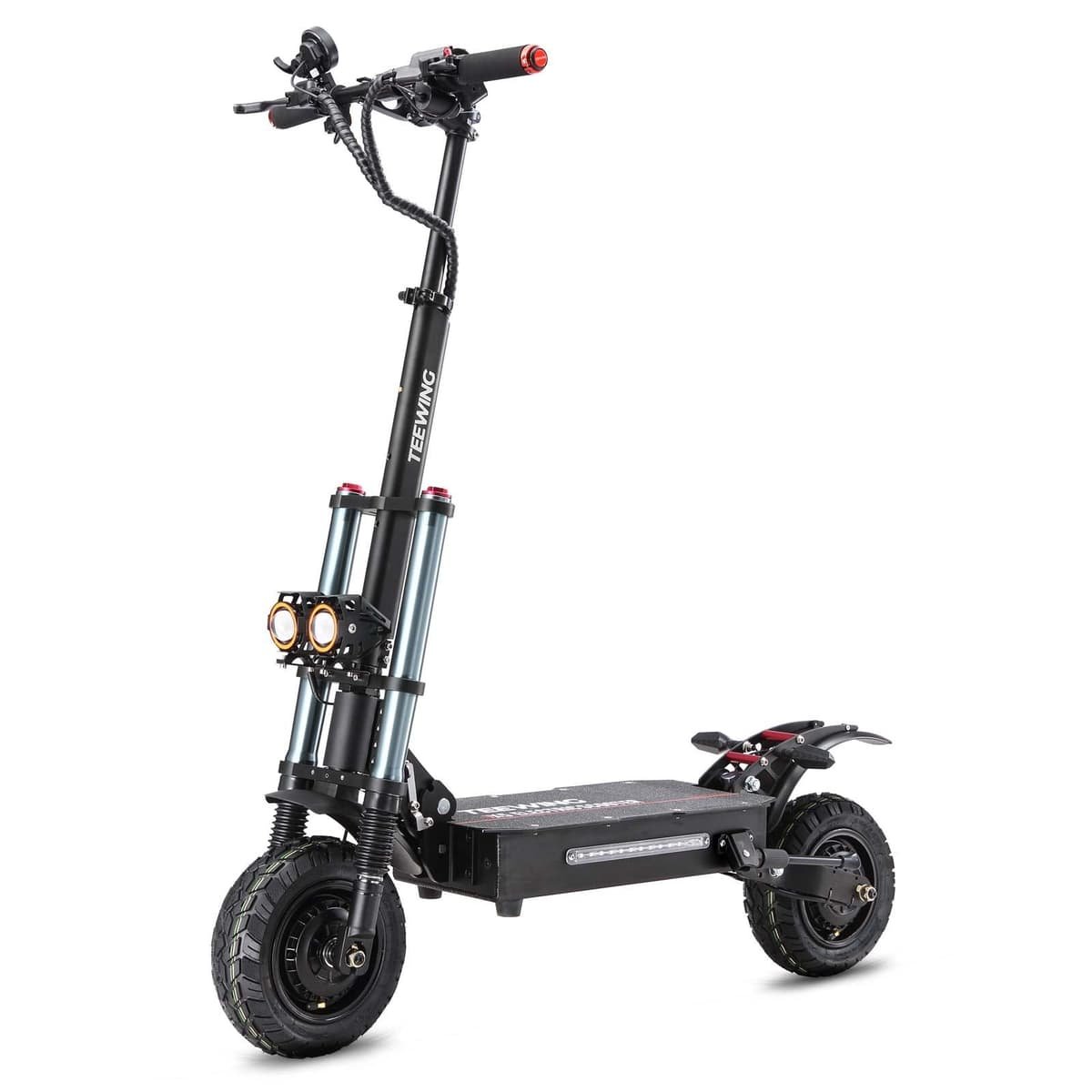
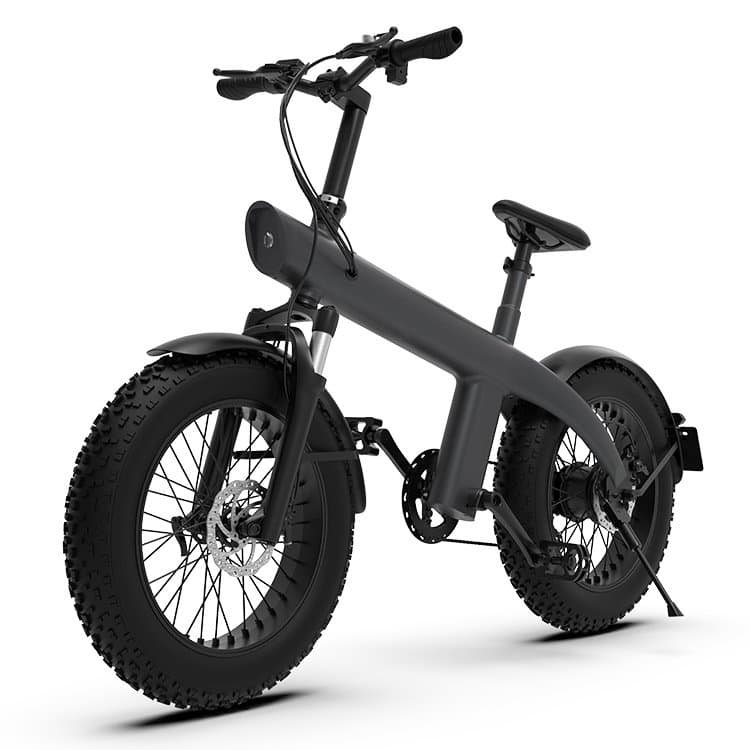
A used electric scooter can save money, but the battery, the warranty and the seller's story all carry risk. Here is what to ask, what to check, and when to walk away.
The short answer
A used electric scooter can be a fair deal if you check it carefully. Ask for the receipt and match the serial number on the frame, because that is your best protection against buying a stolen one. Inspect the stem and folding latch for play, the frame for cracks, the brakes and tires for wear, and the charging port for corrosion. The battery is the costly part and the hardest to judge, so ask about age and storage, see it fully charged and watch how the level holds on a test ride. Expect the maker’s warranty to stay with the first owner.
A used electric scooter costs less up front, and you take on the risk the first owner left behind. The trade-off is simple to state:
If the price gap to a new model is small, new usually wins. Our electric scooters by budget guide shows what each price band buys new, and every model we sell is new, with our 14-day returns.
Good sellers answer these without hesitation. Vague answers are a signal in themselves.
Stolen electric scooters are resold all the time, and buying one can cost you the scooter and the money. Protect yourself before you pay:
Once it is yours, record the serial number and take photos. Our guide to protecting your electric scooter from theft covers locks, trackers and the records to keep.
Power it off and look it over in daylight before you ride it.
Do not open the deck or the battery case. Electrical checks inside the scooter belong with a qualified technician, and opening a battery is unsafe. If the seller has already opened it, ask why and who did it.
The battery is the costliest part of an electric scooter, and the one you cannot see into. Lithium ion packs slowly lose capacity with charge cycles, heat, deep discharges and time. Our guide to how long electric scooter batteries last explains what wears them out.
If the battery is tired, budget for a replacement from the maker before you agree a price. Our sibling guide on electric scooter battery replacement covers the signs and who should fit it.
Wear a helmet, start in the lowest speed mode and ride somewhere quiet.
A used electric scooter usually comes without the maker’s warranty. Warranties are normally tied to the original purchase, and some brands do not allow transfers at all. Our electric scooter warranty guide explains what warranties cover and how claims work.
A private sale also has no return window. Before you buy, check whether the maker still sells parts for that model, such as tires, brake pads and chargers. Our guide to electric scooter parts explains what each part does and which ones wear.
If the used deals near you are close to new prices, a new commuter gives you a fresh battery, the maker’s warranty and a return window.
| Model | Top speed (mph) | Range (miles) | Motor power (W) |
|---|---|---|---|
| Hiboy S2 Nova Electric Scooter | 19 | 20 | 420 |
| Hiboy S2 Electric Scooter | 19 | 17 | 500 |
| Segway E3 Pro Electric Scooter | 20 | 34 | 400 |
| NANROBOT C1 Electric Scooter | 22 | 24 | 500 |
| KUKIRIN G2 Electric Scooter | 27 | 34 | 800 |
Maker figures, checked September 2026. Real range and speed depend on rider weight, terrain, temperature and riding mode.
Browse every model in our electric scooter shop. Every order ships free to the lower 48 states, and models priced $2,000 or less can be split with Pay in 4 at 0% APR, or paid with a monthly plan with Affirm, subject to approval.
A receipt and a matching serial number, a tight stem and folding latch, a crack-free frame, firm brakes, sound tires, a clean charging port and a battery that holds its level on a test ride.
Watch for a level that drops fast on a short ride, cutouts when you accelerate or climb, swelling, a damaged case, a chemical smell or heat after a short ride. Any swelling, smell or heat means do not buy it.
Usually not. Warranties are normally tied to the original purchase, and some brands do not allow transfers. Ask the maker before you count on it.
Ask for the receipt, match the serial number on the frame, and make sure it has not been scratched off. Be wary of a rushed seller or a price far below the going rate.
Generally no. Unlocked speed limits, larger batteries or non-original chargers put extra load on the parts and usually end any warranty.
A seat turns an electric scooter into something you can ride for longer without tired legs. It also adds weight and changes how the ride feels. Here is how to choose.
Three wheels mean no balancing at a stop, a seat and room for shopping. They also mean a wider, heavier machine that corners differently. Here is how to decide.
Teens sit between kids bikes and full size adult bikes, and the right choice depends on height, weight and experience more than age. Here is how the teen-friendly models we carry compare.
30+ brands and 200+ models, with free shipping to the 48 contiguous states. Stuck between two? Our AI assistant answers calls and texts any time at (240) 916-2471.